Guide
How to stock a bar cart
Six bottles, four tools, and a layout rule. Most under-used carts fail on the layout rather than on the bottles.
By Michael W. · Published September 2026
The short answer
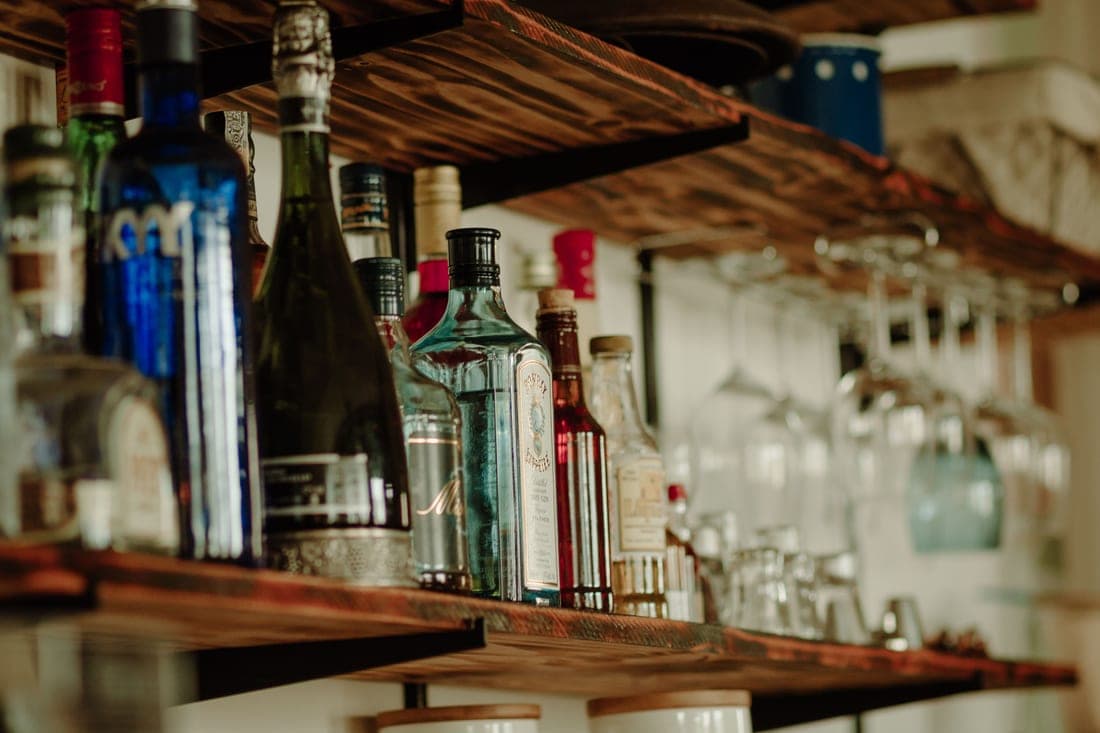
Put the tools on the top tier within reach and the bottles on the bottom, keep a clear working surface on the top that nothing permanently occupies, and stock six bottles you actually drink rather than twelve you might. The layout rule that matters: everything needed to build a drink must be reachable without walking away from the cart. A cart you have to leave mid-drink is a cart you stop using.
We earn a commission if you buy through the links on this page, at no extra cost to you. It never changes which product we pick. How we are funded.
Quick picks
| # | Product | Best for | Price |
|---|---|---|---|
| 1 |  Silicone Bar Service Mat Defines the working surface | Protecting the cart top | |
| 2 | 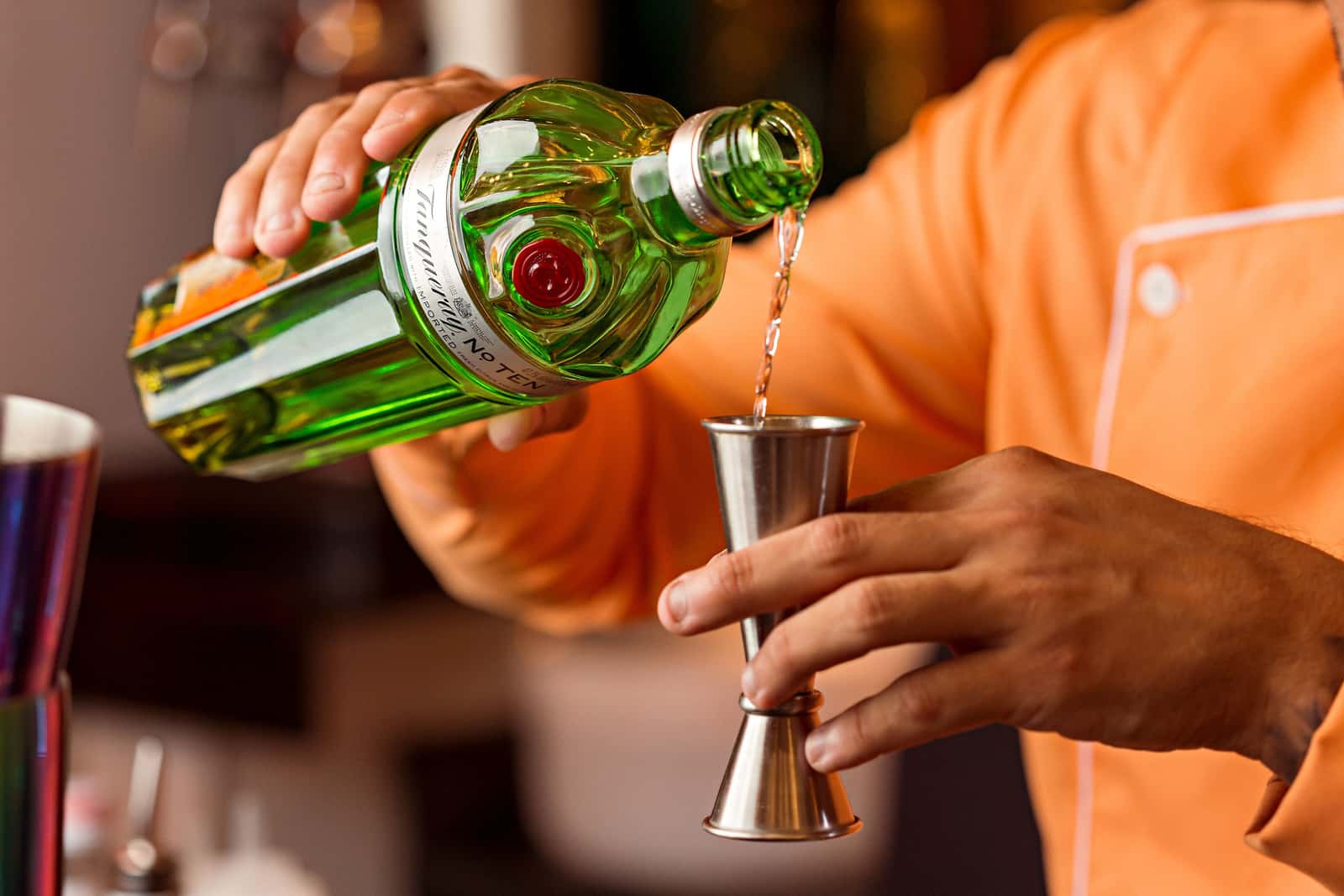 Cocktail Kingdom Japanese Style Jigger The tool most missing from most carts | Accuracy | |
| 3 |  Viski Insulated Ice Bucket with Tongs Keeps you at the cart | Serving a round | |
| 4 |  Cocktail Kingdom Yarai Mixing Glass 500ml The vessel that belongs on the cart | The default mixing glass |
Scroll the table sideways on a narrow screen. Prices are set by the retailer and change, so every price link opens the current listing rather than quoting a number here.
The bottles
Six bottles that cover a lot of ground
A cart does not need a comprehensive bar. It needs a working one, and six bottles covers a genuinely wide range of classics if they are the right six.
| Bottle | Why | Gets you |
|---|---|---|
| A whiskey you like | Base for stirred drinks | Old fashioned, Manhattan, highball |
| Gin | Base for stirred and shaken | Martini, negroni, gimlet, gin and tonic |
| Sweet vermouth (in the fridge) | The modifier in half the classics | Manhattan, negroni, boulevardier |
| A bitter liqueur | Bitterness and color | Negroni, boulevardier, spritz |
| An orange liqueur | Citrus backbone | Margarita, sidecar, corpse reviver |
| Angostura bitters | Seasoning | Almost everything |
Add a second base spirit - rum, tequila, whichever you actually drink - and you have a bar that makes most of what anyone asks for. Home bar essentials checklist is the fuller version.
The layout
The rule that decides whether it gets used
Everything needed to build a drink must be reachable without walking away from the cart. That is the whole rule, and most under-used carts break it in exactly one place - the tools are in a kitchen drawer.
The failure is subtle because the cart looks complete. It has bottles and glasses and it photographs well. What it does not have is the jigger, which means every drink starts with a trip to the kitchen, which means on a Tuesday you do not bother.
- Top tier, one third: clear working surface on a mat. Nothing permanent.
- Top tier, two thirds: tools and one or two glasses, within arm's reach of the working area.
- Bottom shelf: bottles, labels forward, heaviest at the back.
- Elsewhere: backstock, the rest of the glassware, and vermouth in the fridge.
Practical
What to keep off the cart
- Opened vermouth. It oxidizes within weeks at room temperature. The fridge, always, and buy the small bottle.
- Citrus. It dries out on a cart and it belongs where you cut it, which is a kitchen.
- Anything you have not touched in six months. It is storage, not a bar. Move it.
- A recipe book. It will get wet.
- More than four glasses. Glassware eats the working surface faster than anything else.
The vermouth point is worth repeating because it is the most common cause of a bad Manhattan made with good whiskey. An open bottle at room temperature is noticeably flat within a month.
Does gear fix this
When the cart is not the problem
If your cart is unused, adding to it rarely helps. The usual causes are that the tools are elsewhere, that there is no clear surface to work on, or that the cart is in a room you do not spend time in.
All three are free to fix. Move the tools, clear a square foot, and if necessary move the cart. Proximity to ice and water matters more than most people expect - a cart near the kitchen gets used far more than a handsome one two rooms away.
Where buying does help: a bar mat defines the working surface and protects it, an insulated bucket keeps you from walking to the freezer mid-round, and a jigger on the cart removes the most common excuse. Best bar cart accessories is the short list.
The picks in full
Every pick, and who each one is for
01 · Defines the working surface
Silicone Bar Service Mat
Barfly by Mercer · Entry tier
The cheapest thing on the site that visibly changes how a bar cart ages, and the first accessory to buy.
The mat is what stops the working area from silently filling with bottles. It marks a space as a workspace rather than storage, and it protects the top while doing it.
The specs that decide it
- Material:
- silicone or rubber
- Function:
- catches drips, stops bottle slide
- Care:
- rinse or dishwasher depending on model
- Sizes:
- multiple
Who it is for
- Stops a rolling cart turning a small pour error into a ring in the finish
- Bottles stop sliding on a glass top the moment you lay one down
- It is the difference between wiping a mat and refinishing a shelf
Where it gives ground
- Looks utilitarian on a decorative cart
- Needs actual washing - a neglected bar mat is worse than none
Skip this one if your cart top is already a sacrificial surface you do not mind marking.
02 · The tool most missing from most carts
Cocktail Kingdom Japanese Style Jigger
Cocktail Kingdom · Mid tier
Tall, narrow and internally marked, which is the combination that makes a half-ounce pour repeatable.
A jigger left out on the cart gets used; one in a drawer in another room does not. Free-pouring is the single biggest source of inconsistency in a home bar, and this is the cheapest fix for it.
The specs that decide it
- Sizes:
- 1 oz / 2 oz
- Profile:
- tall and narrow
- Markings:
- interior lines for fractional pours
- Material:
- stainless steel
Who it is for
- A narrow cone makes a given volume a taller column, so a small error is visible before you pour it
- Interior lines mean you are not guessing at three quarters of an ounce
- Balanced enough to hold one-handed while the other hand pours
Where it gives ground
- Tall profile tips more easily on a crowded counter
- No handle, so it gets cold and slippery when you work fast
Skip this one if you free-pour by count and are happy with the results. This tool exists to fix a problem you do not have.
03 · Keeps you at the cart
Viski Insulated Ice Bucket with Tongs
Viski · Mid tier
An insulated bucket is what lets your good ice survive from the freezer to the second drink.
The thing that breaks a cart's workflow is walking to the kitchen mid-round. An insulated bucket covers a round comfortably, which keeps the drinks and the conversation in one room.
The specs that decide it
- Construction:
- double-wall insulated stainless
- Includes:
- tongs
- Lid:
- model dependent
- Capacity:
- a round's worth of large cubes
Who it is for
- Double walls genuinely slow the melt, which matters when your ice took 24 hours to make
- Tongs keep hands out of a shared bucket
- Stops the freezer trip mid-round, which is where hosting momentum dies
Where it gives ground
- Even insulated, it is a holding vessel and not a freezer
- Condensation on the outside will mark an unprotected wood shelf
Skip this one if you make one drink at a time and the freezer is six feet away.
04 · The vessel that belongs on the cart
Cocktail Kingdom Yarai Mixing Glass 500ml
Cocktail Kingdom · Mid tier
The industry workhorse: heavy, cut, and sized for one or two drinks without a wall of leftover dilution.
If you make stirred drinks, the mixing glass wants to be at the cart rather than in the kitchen. It is also the single most presentable object you can put on one.
The specs that decide it
- Capacity:
- 500 ml (about 17 oz)
- Capacity in drinks:
- 1 to 2
- Pattern:
- Yarai cut
- Base:
- heavy, weighted
Who it is for
- Mass is the point - a heavy glass does not travel across the counter while you stir
- The cut gives grip that a smooth beaker does not
- Spout pours clean, which sounds trivial until you use one that does not
Where it gives ground
- Glass, on a counter, near ice - it is a breakable in a wet environment
- 500 ml gets tight with two drinks and a full ice charge
Skip this one if you regularly build three or four stirred drinks at once. Step up to the 675 ml seamless.
Questions
Related questions
- What bottles should be on a bar cart?
- Six covers a lot: a whiskey, a gin, a bitter liqueur, an orange liqueur, Angostura bitters, and a second base spirit you actually drink. Sweet vermouth belongs in the fridge rather than on the cart.
- Should vermouth be kept on a bar cart?
- No. Opened vermouth oxidizes within weeks at room temperature. Refrigerate it and buy the smaller bottle - it is the most common reason a Manhattan made with good whiskey tastes flat.
- How do you keep a bar cart from looking cluttered?
- Keep a clear working area on the top tier that nothing permanently occupies, cap the glassware at four, and move anything you have not used in six months to storage.
- Where should bar tools go on a cart?
- On the top tier within arm's reach of the working surface. Tools in a kitchen drawer are the single most common reason a cart stops being used.
Read next
Related reading
- Bar carts and bar storage
Carts, cabinets and the accessories that stop a bar cart turning into a sticky shelf.
- Best bar cart accessories
The three accessories that change how a cart works, and the popular ones that get used twice.
- Home bar essentials checklist
Five tools, three glass shapes, one ice solution, six bottles - and the order worth buying them in.
- Best barware sets
What good sets contain, what every set leaves out, and when buying separately wins.
- Best bar carts
Bottle capacity, usable surface, rails and casters - the four things that decide whether a cart gets used.
- Best Japanese jiggers
Why a narrow bore reads more accurately, which size pairing to buy, and the precision-stability trade-off.