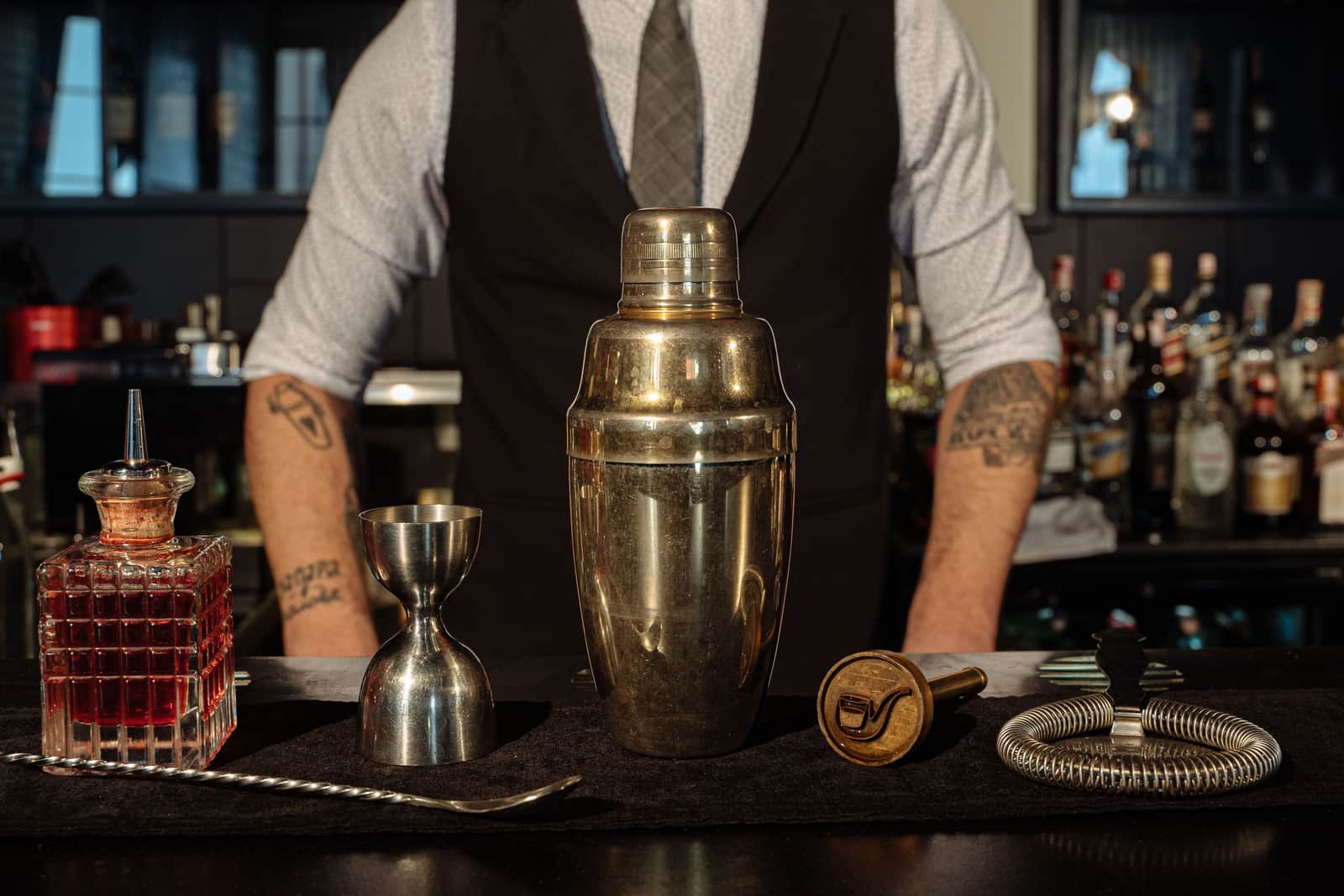
Best weighted tins
Best weighted shaking tins
Two-piece tins compared on seal behavior, capacity pairing, balance and edge finish.
Category
Weighted tins, cobblers and the strainers that go with them. Start here if your shaker sticks, leaks down your wrist, or refuses to open.
We earn a commission if you buy through the links on this page, at no extra cost to you. It never changes which product we pick. How we are funded.

Top pick · Best weighted tins
The tins most working bartenders reach for, and the shortest path out of a shaker that sticks.
If your shaker sticks shut, leaks at the seam, or takes two people and a tea towel to open, the usual cause is not your shake. It is that the two halves were never cut to seal against each other in the first place. A cheap boxed set pairs a tin with a glass or a tin with a mismatched second tin, and the fit is a coincidence rather than a specification.
A proper pair of weighted tins is machined so that the smaller one enters the larger at a consistent angle and seals with a tap. The same geometry is what lets a palm strike at the widest point break the seal in one motion. Get that right and the whole ritual stops being a struggle - which is why this is the category where a modest spend produces the most obvious day-one difference.
There is a second decision underneath the first: tins or a cobbler. Two-piece tins hold more, chill faster because the metal is thinner, and strain through whichever strainer you choose. A three-piece cobbler has a strainer built into the lid, which makes it one object instead of three - genuinely better if the person shaking is a guest rather than you.
Buying guides
Best weighted tins
Two-piece tins compared on seal behavior, capacity pairing, balance and edge finish.
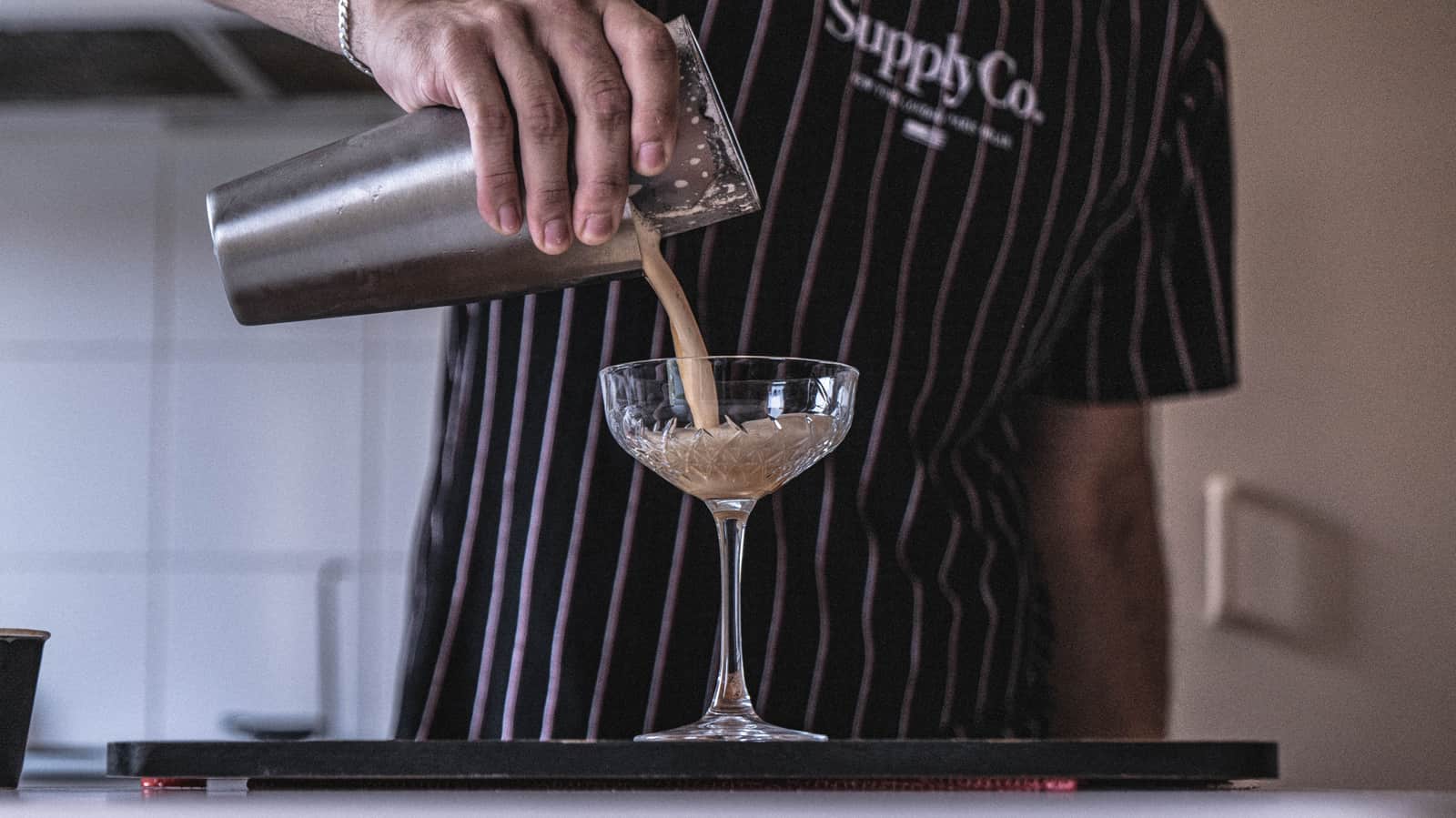
Best cocktail shaker
Tins against cobblers on seal, capacity and chilling - and which one suits who is actually shaking.

Best bartender kit
Which kits contain real tools, what every kit leaves out, and when buying separately is better.
Deciding between two
Head to head
Same maker, same capacities, different surface. Which finish earns the premium and where.
Head to head
The bar-standard pair against the one with every finish. Consistency, gauge and what plating costs.
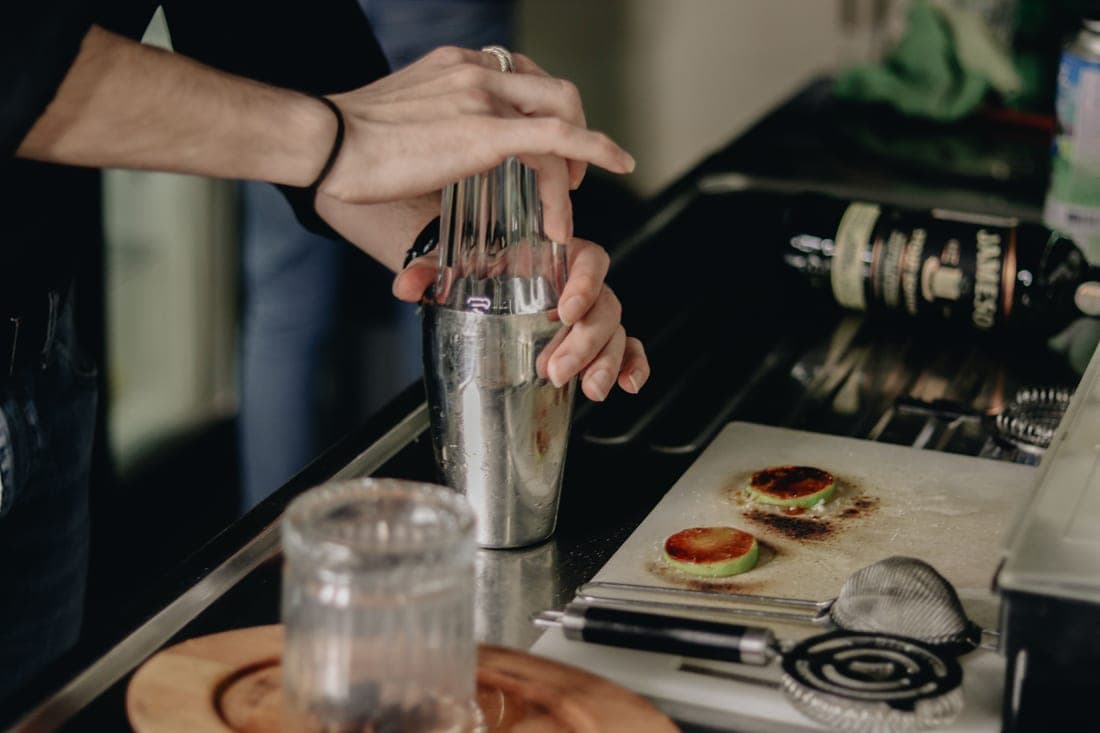
Head to head
Two tins against three pieces, on capacity, chilling, straining and who is doing the shaking.

Head to head
Which strainer for shaken, which for stirred, why the spring is the product, and what double straining fixes.
Review
Why this pair became the default, what the first week feels like, and the two cases for buying something else.
Technique and troubleshooting
Guide
Why 18 and 28 is the pairing, what a tin really holds with ice, and why two pairs beat one big one.
Guide
Sealing, the shake itself, when to stop, and breaking the seal in one motion - plus dry shake and whip.
Guide
Sticking is the seal working, leaking is the seal failing. How to tell a technique problem from a bad pair.
How to choose
Strainers are a separate purchase and most home bars own the wrong one. A Hawthorne, with its dense spring, is for shaken drinks and citrus. A julep, which is just a perforated bowl, sits inside a mixing glass for stirred drinks. Owning only a Hawthorne is workable; owning only a julep is not. Hawthorne vs julep settles which you need first.
Elsewhere on the site