Roundup
Best cocktail shakers for beginners
A beginner shaker has one job: produce a cold, properly diluted drink without a wrestling match. That rules out more of the market than you would expect.
By Michael W. · Published October 2026
The short answer
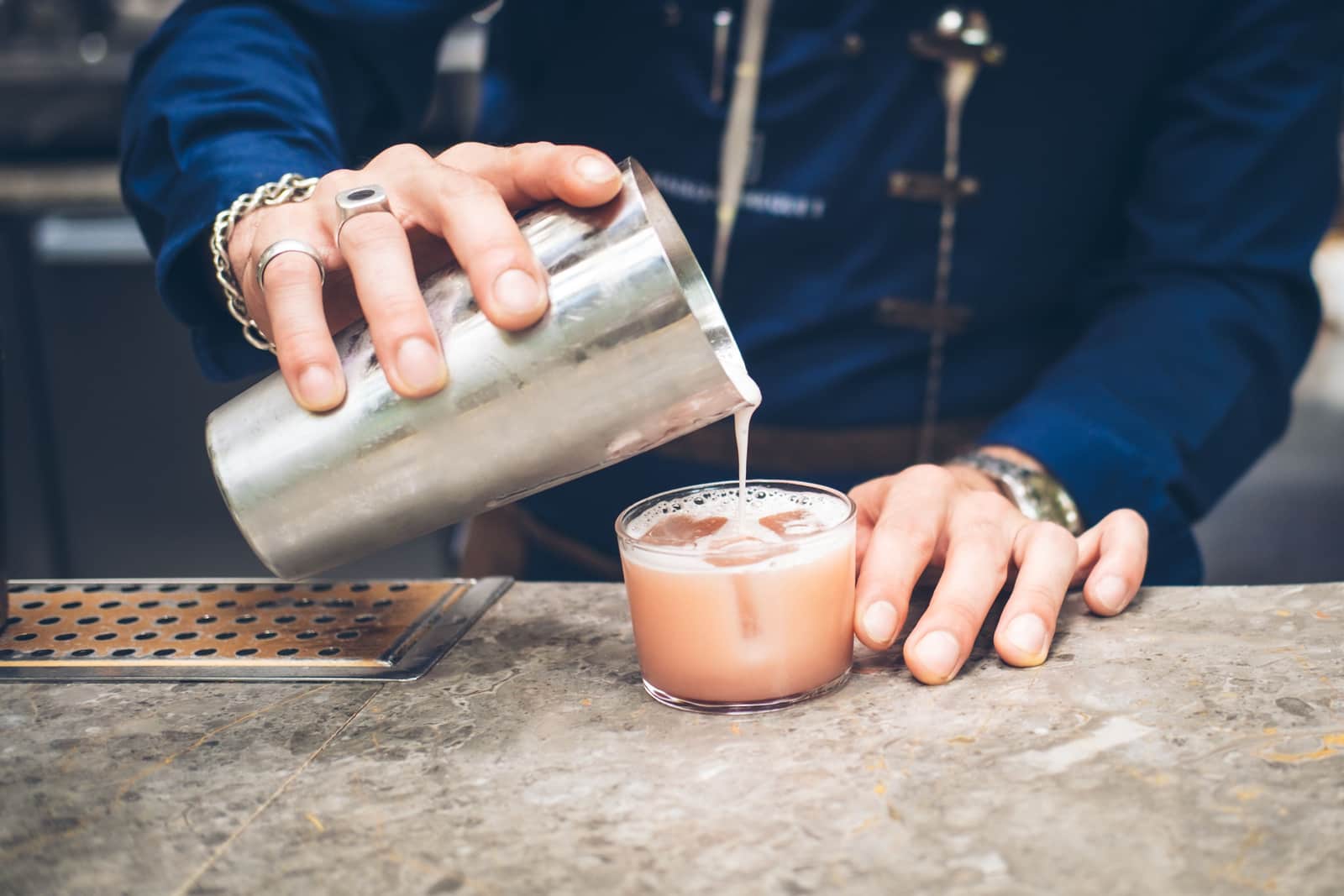
Start with the OXO Steel Cocktail Shaker if you want the shortest path from zero to a finished daiquiri: it is a three-piece cobbler, the strainer is built into the lid, and nothing about it requires technique you do not have yet. Move to the Barfly Cocktail Shaker Tin Set if you would rather learn the professional two-tin method from the beginning and skip the upgrade later - 18 oz and 28 oz, weighted bases, and a seal you break by tapping rather than by force. The Cocktail Kingdom Koriko Weighted Shaking Tins are the set you keep for twenty years and the one to buy if you already know you are not going to lose interest. If you need the strainer, jigger and spoon in the same purchase, the Barfly Mixologist Bar Set is a cleaner start than assembling four separate boxes.
We earn a commission if you buy through the links on this page, at no extra cost to you. It never changes which product we pick. How we are funded.
Quick picks
| # | Product | Best for | Price |
|---|---|---|---|
| 1 | 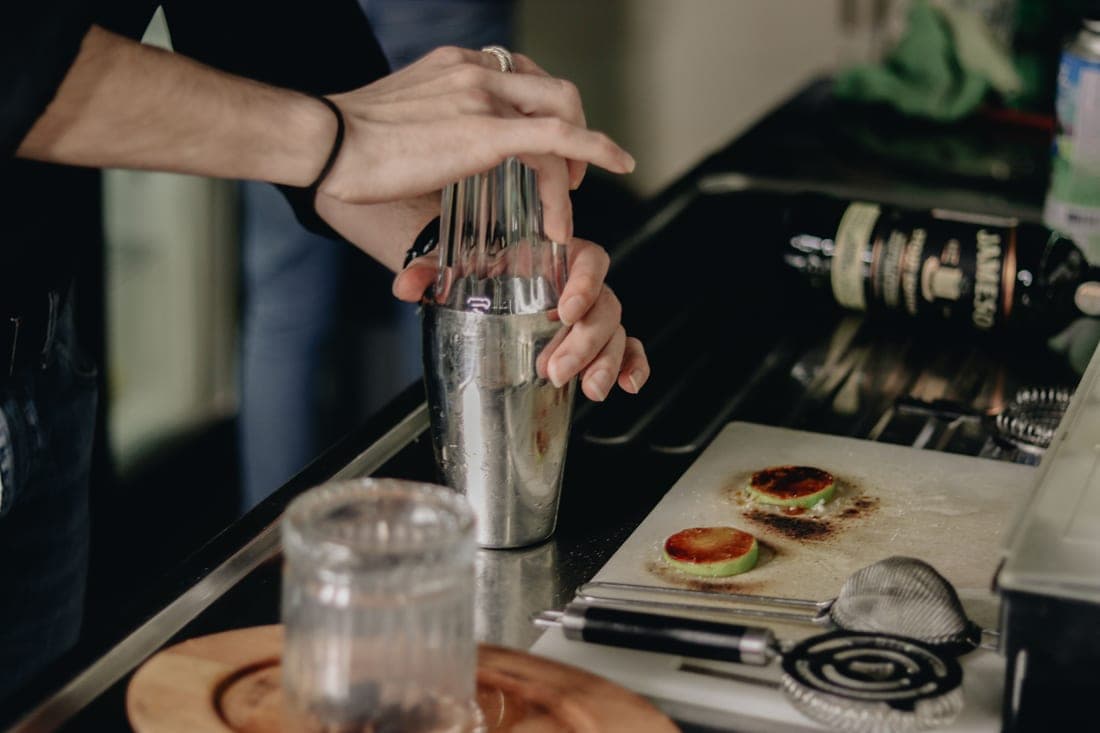 OXO Steel Cocktail Shaker Best for an absolute beginner | Handing to a guest | |
| 2 |  Barfly Cocktail Shaker Tin Set Best first set of tins | Finish options | |
| 3 | Cocktail Kingdom Koriko Weighted Shaking Tins Best if you will not be a beginner for long | The default upgrade | |
| 4 |  Barfly Mixologist Bar Set Best all-in-one start | One-purchase setup |
Scroll the table sideways on a narrow screen. Prices are set by the retailer and change, so every price link opens the current listing rather than quoting a number here.
The real question
Cobbler or tins: pick the learning curve you want
Every beginner shaker decision reduces to this. A cobbler shaker is three pieces - tin, built-in strainer, cap - and it works the first time you pick it up. A Boston or tin-on-tin set is two pieces that you have to learn to seal and unseal, and once you can, it is faster, leaks less and holds more.
| Cobbler (3-piece) | Two tins | |
|---|---|---|
| Learning curve | None | An evening or two |
| Strainer | Built into the lid | A separate Hawthorne |
| Capacity | One to two drinks | About two drinks, 18 + 28 oz |
| Common failure | Cap freezes shut | Seal breaks mid-shake if seated badly |
| Dry shake / egg white | Cramped | Comfortable |
| Hand to a guest? | Yes | Not really |
Neither answer is wrong. The honest framing is that a cobbler is the better first shaker and the tins are the better only shaker, and which matters depends on whether you expect to still be doing this in six months. Boston vs cobbler shaker goes deeper into the mechanics if you want the long version.
What to look for
Four things that matter on a beginner shaker
- A weighted base, if you are buying tins. A capped, weighted bottom gives the tin mass where you need it and makes the seal behave predictably. Thin unweighted tins are cheaper and are the single most common reason people decide shaking is hard.
- Stainless steel, not plated or glass. Steel chills fast, which is the entire point of shaking, and it does not shatter when a seized tin gets tapped on a counter edge.
- Capacity for two drinks, not four. A 28 oz tin with an 18 oz partner holds two drinks comfortably. Bigger shakers look generous and under-chill, because the ice-to-liquid ratio goes wrong.
- A strainer you actually have. A cobbler includes one. A tin set does not, and a tin set without a Hawthorne is not a working shaker - it is half of one.
The thing nobody tells beginners: a cocktail shaker is not where the quality of a shaken drink comes from. Measurement is. If you can only buy one thing, buy the jigger - see how to use a jigger.
The picks explained
Why the OXO is first and the Koriko is here at all
The OXO Steel Cocktail Shaker is first because a beginner shaker that gets used beats a better shaker that intimidates. Three pieces, stainless, strainer in the lid, dishwasher friendly. The known weakness of every cobbler is the cap freezing into the tin as the metal contracts around it, and the fix is to break the seal immediately after the shake rather than to set the shaker down and admire it.
The Barfly tin set exists on this list because the two-tin method is genuinely not difficult - it is just unfamiliar. 18 oz over 28 oz, capped and weighted bases, available in several finishes. You seat the small tin at a slight angle, tap the top with the heel of your hand, and the seal is made; to open it, you strike the widest point of the join. That is the whole skill.
The Koriko set is on a beginner list because a surprising number of people buy a cheap shaker, enjoy it, and buy the Koriko four months later. If you already know that is you, skip the intermediate purchase. Koriko shaker review covers why it is the default, and best weighted shaking tins compares the weighted field.
The Barfly Mixologist Bar Set is the fourth pick rather than the first because kits are a mixed blessing - you get a matched set and a stand, and you also get whichever jigger and spoon the manufacturer chose. In this case the contents are honest tools rather than ornaments, which is not true of every kit on the market. Best bartender kits covers the field.
First drink
What goes wrong on the first ten shakes
- Too little ice. Fill the tin, not a third of it. A shaker with four cubes in it warms up instead of chilling the drink, and the result is a watery, cool cocktail rather than a cold one.
- Shaking too long. Ten to twelve seconds, hard. Shaking for thirty seconds does not make a drink colder, it makes it diluted.
- Setting it down before opening. A cobbler cap and a tin seal both tighten as the metal contracts. Break the seal straight away.
- Shaking a stirred drink. A Manhattan, a Negroni and an old fashioned are stirred. Shaking them aerates and clouds a drink that is supposed to be clear and silky - see mixing glass vs shaker.
- No double strain on citrus with pulp. A Hawthorne catches ice; a fine mesh catches the rest. One extra piece of kit, visibly better drink.
How to shake a cocktail walks through the grip, the angle and the timing, and why shaker tins stick and leak covers the one problem that makes beginners think they bought the wrong shaker when they did not.
Ice
The ingredient that decides a shaken drink
Shaking is a heat-exchange operation. The ice is doing the work, and what it is like when it goes into the tin decides the drink. Small, wet, hollow freezer-tray cubes shatter on the first shake and dilute a drink before it gets cold. Larger, denser, drier cubes chill harder and water the drink less.
That is why ice is the upgrade that changes a beginner's drinks more than a better shaker does, and why we have a separate page on it: what size ice for a cocktail shaker. It costs nothing to fix if you already own a freezer.
The picks in full
Every pick, and who each one is for
01 · Best for an absolute beginner
OXO Steel Cocktail Shaker
OXO · Entry tier
A cobbler that seals and pours without a fight, for the times when the person shaking is not you.
A three-piece cobbler with the strainer in the lid. There is no second tin to seat, no separate strainer to fit, and nothing to learn before the first drink. It is also the shaker you can hand to a guest without a lesson.
The specs that decide it
- Type:
- cobbler, three-piece
- Strainer:
- built into the lid
- Material:
- stainless steel
- Capacity:
- single to double drink
Who it is for
- Built-in strainer means one object, not three, which is what makes it guest-proof
- Seals reliably - the failure mode of cheap cobblers is a lid that freezes on, and this is not one
- Dishwasher tolerant
Where it gives ground
- Built-in strainer is coarser than a real Hawthorne
- Capacity caps out well below a 28 oz tin
Skip this one if you are the only person who ever makes drinks in your house. Tins are faster, hold more and strain better.
02 · Best first set of tins
Barfly Cocktail Shaker Tin Set
Barfly by Mercer · Mid tier
Heavy-gauge tins with the widest range of finishes, and the easiest pair to match to a bar that is already a color.
18 oz over 28 oz with capped, weighted bases - the professional format, at the friendliest end of it. Learning the two-tin seal on a weighted set is far easier than on thin, unweighted tins, which is where most beginners give up.
The specs that decide it
- Set:
- 18 oz and 28 oz
- Material:
- 18/8 stainless steel
- Base:
- capped and weighted
- Finishes:
- steel, copper, gold and black among others
Who it is for
- Heavy-gauge steel feels more substantial in the hand than the price suggests
- The finish range is genuinely useful if your bar has a metal theme already
- Satin interior wears well rather than scratching to a dull gray
Where it gives ground
- Plated finishes are a wear item - they will mark with heavy use
- Seal feel varies a little more pair to pair than the Cocktail Kingdom tins
Skip this one if you want the single most predictable seal available. Plain Koriko tins are the safer default.
03 · Best if you will not be a beginner for long
Cocktail Kingdom Koriko Weighted Shaking Tins
Cocktail Kingdom · Mid tier
The tins most working bartenders reach for, and the shortest path out of a shaker that sticks.
The default upgrade on any serious home bar, and the set most bartenders reach for. If you already know you are going to keep doing this, buying these first saves you buying twice.
The specs that decide it
- Set:
- 18 oz and 28 oz
- Capacity:
- about 2 drinks
- Base:
- weighted
- Material:
- stainless steel
Who it is for
- The taper is cut so the pair seals with a tap and breaks with a palm strike, every time
- Weighted bases keep an empty tin from skating across the counter
- Cheap enough to own two pairs, which is how you actually make four drinks
Where it gives ground
- The seal is tight by design and feels alarming for the first week
- Bare steel shows fingerprints immediately
Skip this one if you want a one-piece shaker you can hand to a guest. Tins are a two-handed tool and they reward practice.
04 · Best all-in-one start
Barfly Mixologist Bar Set
Barfly by Mercer · Mid tier
The kit to buy when you want everything at once and you would rather not assemble six separate orders.
Tins plus a strainer, a jigger and a spoon in one purchase, in a matched finish. The jigger matters more than the shaker for whether a first drink tastes right, and a kit guarantees you own one.
The specs that decide it
- Contents:
- shaker tins, jigger, strainer, bar spoon, muddler and more depending on set
- Material:
- 18/8 stainless steel
- Finishes:
- multiple
- Storage:
- stand or case depending on set
Who it is for
- Everything matches, which is the one genuine advantage of a kit over piecing it together
- Tool quality is a real step above a supermarket boxed set
- A stand keeps wet tools off the counter
Where it gives ground
- Kits always carry one or two tools you will never use
- Buying the same tools separately usually gets you a better strainer
Skip this one if you already own tins and a jigger. At that point you are buying duplicates to get a muddler.
Honest limits
What we could not verify
We have not run these four shakers through a side-by-side leak or chill test and we publish no time-to-temperature figures of our own. Capacities, materials, base construction and kit contents are as published by OXO, Barfly by Mercer and Cocktail Kingdom. Technique notes reflect widely documented bartending practice rather than our own measurement. No prices are quoted - this site has no live price data.
We do not run a test lab and we have not personally used every product here. Where a judgment rests on published specifications or on what owners report rather than on our own hands, we say so. Read the full method.
Questions
Related questions
- What is the best cocktail shaker for a beginner?
- A three-piece cobbler like the OXO Steel Cocktail Shaker, because the strainer is in the lid and there is no two-tin seal to learn. If you expect to keep making cocktails, a weighted tin set such as the Barfly 18/28 oz pair is the better long-term buy and the learning curve is a couple of evenings.
- Should a beginner buy a Boston shaker or a cobbler?
- A cobbler is the better first shaker; two tins are the better only shaker. A cobbler works the first time you touch it. Tins need a learned seal, then they are faster, hold more and leak less - and they need a separate Hawthorne strainer to be usable at all.
- What size cocktail shaker should a beginner get?
- Enough for two drinks - an 18 oz and 28 oz tin pair, or a cobbler in the single-to-double-drink class. Larger shakers get the ice-to-liquid ratio wrong and under-chill, which is the opposite of what shaking is for.
- Do I need a strainer with a cocktail shaker?
- With a cobbler, no - it is built into the lid. With two tins, yes: a Hawthorne strainer is not an accessory, it is the half of the set that makes the drink pourable. Add a fine mesh strainer if you make citrus drinks with pulp.
- How long should a beginner shake a cocktail?
- Ten to twelve seconds, hard, with the tin full of ice. Longer does not make the drink colder - it makes it more diluted. The frost forming on the outside of the tin is the signal that the exchange has happened.
Sources
Read next
Related reading
- Shakers and strainers
Weighted tins, cobblers and strainers, ranked on the thing that actually matters: whether the seal behaves.
- Best cocktail shakers
Tins against cobblers on seal, capacity and chilling - and which one suits who is actually shaking.
- Boston vs cobbler shaker
Two tins against three pieces, on capacity, chilling, straining and who is doing the shaking.
- What size cocktail shaker do you need
Why 18 and 28 is the pairing, what a tin really holds with ice, and why two pairs beat one big one.
- How to shake a cocktail
Sealing, the shake itself, when to stop, and breaking the seal in one motion - plus dry shake and whip.
- What size ice for a cocktail shaker?
One to one and a quarter inch cubes, three-quarters of the large tin, and dry - the ice rules for a shaken drink.