Guide
How to shake a cocktail
Sealing, shaking, knowing when to stop, and breaking the seal in one motion - the four parts of a technique most people learn by accident.
By Michael W. · Published September 2026
The short answer
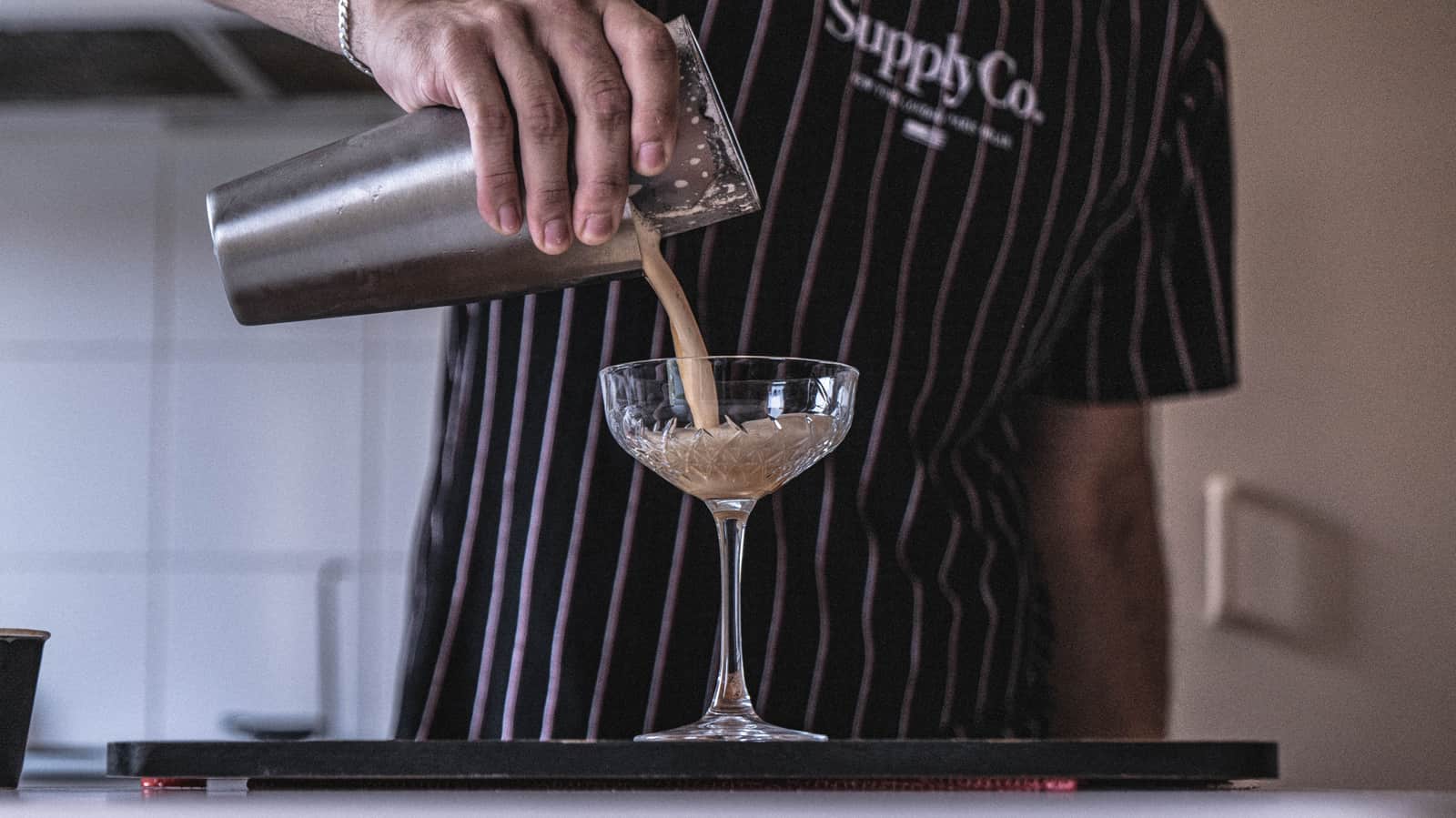
Load the small tin, fill the large tin about two thirds with ordinary freezer ice, seat the small tin into the large one at a slight angle with a firm tap, and shake hard with the large tin facing away from you for about 12 to 15 seconds - until the outside frosts. Break the seal with the heel of your hand on the large tin at the widest point of the join. Strain immediately; a shaken drink starts dying the moment you stop shaking.
We earn a commission if you buy through the links on this page, at no extra cost to you. It never changes which product we pick. How we are funded.
Quick picks
| # | Product | Best for | Price |
|---|---|---|---|
| 1 | 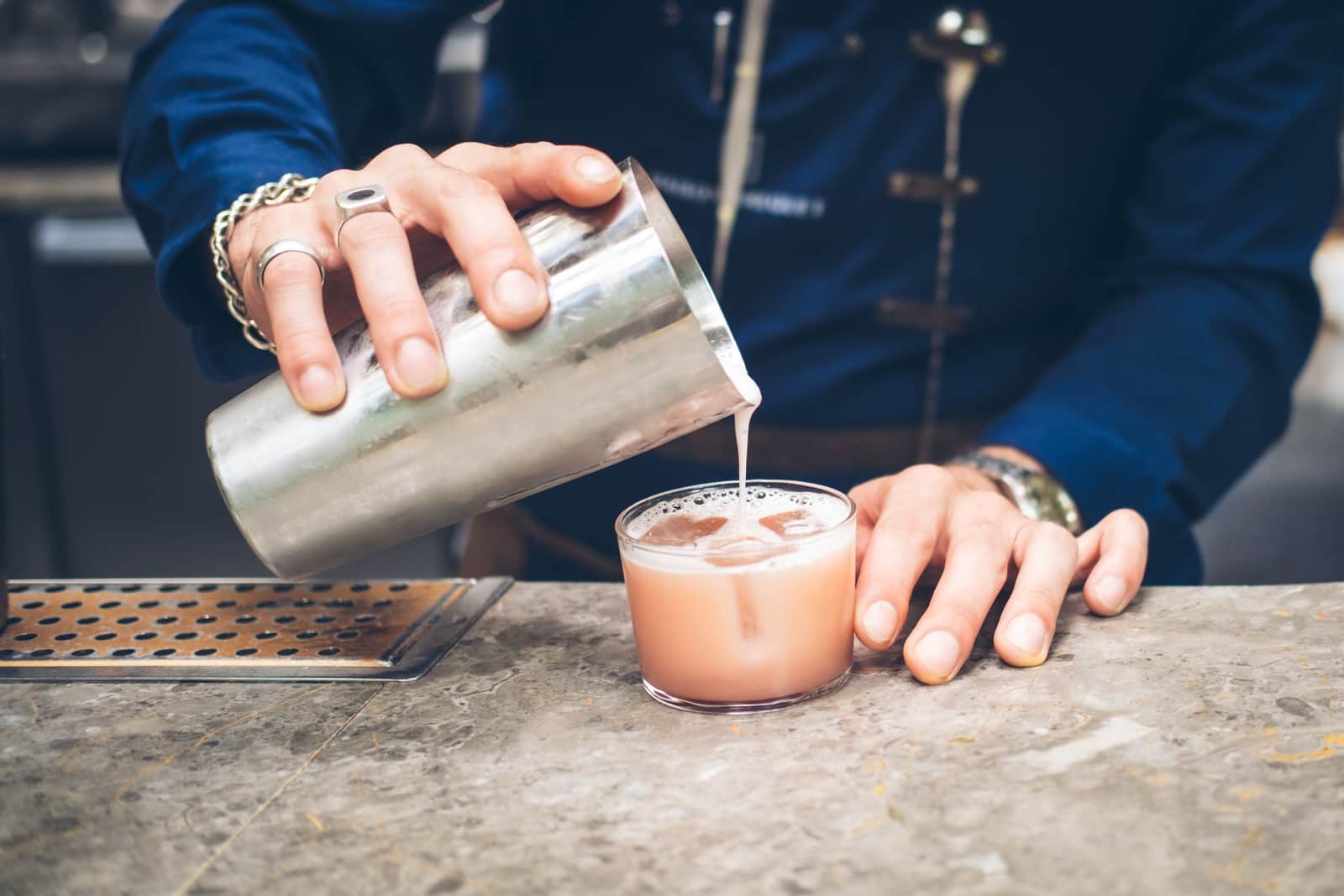 Cocktail Kingdom Koriko Weighted Shaking Tins What to shake with | The default upgrade | |
| 2 |  Cocktail Kingdom Koriko Hawthorne Strainer What to strain with | Shaken drinks | |
| 3 | 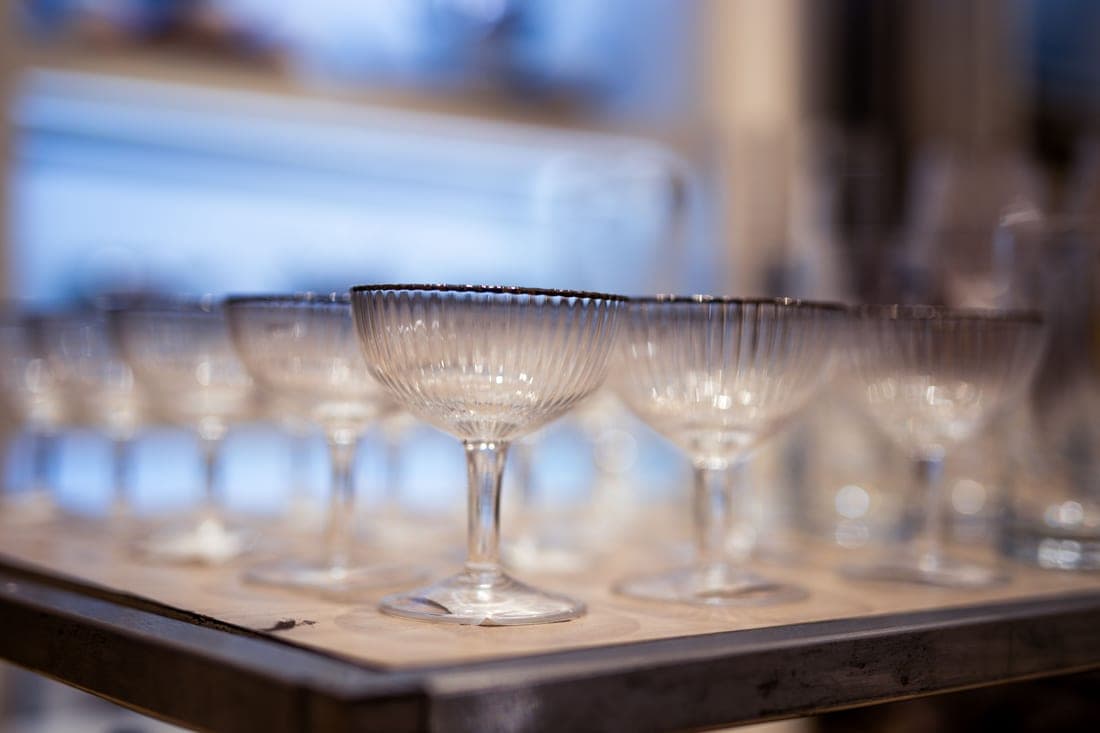 Libbey Signature Kentfield Coupe Glasses What to strain into | Everyday coupe |
Scroll the table sideways on a narrow screen. Prices are set by the retailer and change, so every price link opens the current listing rather than quoting a number here.
The mechanism
What a shake is actually doing
Three things happen at once, and knowing which is which tells you when to stop.
- Chilling. Ice moving through liquid transfers heat fast. This is the quickest of the three and it is largely done within ten seconds.
- Dilution. Ice melts into the drink, and a shaken cocktail is designed around a specific amount of water. Under-shaking leaves a drink that tastes harsh; over-shaking leaves it thin.
- Aeration and texture. The violence breaks tiny ice fragments off and forces air into the liquid. This is why a shaken sour has a head and a stirred drink does not, and it is the part most home shakers under-deliver on.
Because chilling finishes first and texture builds last, the common failure is stopping too early - a cold, thin, flat drink. Frost on the outside of the tin is the cue that all three have had time.
Technique
The shake itself
Shake along the long axis of the tins, not in a small circle. The ice needs to travel the full length of the vessel and hit each end; a wristy shake keeps it in the middle and does very little.
Point the large tin away from you and slightly upward over your shoulder. This is partly etiquette and partly insurance: if a seal fails, the contents go past you rather than onto you.
Hold both tins. One hand on the large tin near the base, the other capping the small tin, thumb over the end. A pair that is properly seated will not separate, and holding it as though it might is what produces a timid shake.
Hard, not long, is the rule. Twelve seconds of genuine violence beats thirty seconds of polite agitation, and the extra eighteen seconds only adds water.
Does gear fix this
When the problem is not your shake
Sometimes the answer is honestly no. If your shaken drinks taste right but the texture is gritty, the strainer is the culprit, not the shake - a loose spring lets ice fines through. If the drink is cold but weak, you probably shook a properly built drink for too long.
But if your tins leak down your wrist, or seal so hard you have to run them under hot water, that is gear and no technique will fix it. An unmatched pair's fit is a coincidence. Why shaker tins stick and leak diagnoses it, and best weighted shaking tins is the fix.
And if your drinks are inconsistent from night to night, the shake is rarely the variable. That is almost always free-pouring, which is what how to use a jigger is about.
Variations
Dry shake, reverse dry shake, and whip
For a drink with egg white, shake once without ice first - a dry shake - to build the foam, then add ice and shake again to chill. Without the dry shake the protein never emulsifies properly and the head collapses within a minute.
A reverse dry shake flips the order: shake with ice, strain the ice out, then shake the cold liquid again without it. It generally produces a denser, longer-lasting head, at the cost of an extra straining step and a colder second shake that is harder work.
A whip shake is a short shake with a single small piece of ice, used for drinks that will be served over crushed ice and would otherwise arrive over-diluted. It chills and mixes without adding much water, because the water is coming from the crushed ice in the glass.
The picks in full
Every pick, and who each one is for
01 · What to shake with
Cocktail Kingdom Koriko Weighted Shaking Tins
Cocktail Kingdom · Mid tier
The tins most working bartenders reach for, and the shortest path out of a shaker that sticks.
The technique above assumes a properly matched pair. An unmatched boxed set will seal unpredictably and no amount of technique fixes a taper that was a coincidence rather than a specification.
The specs that decide it
- Set:
- 18 oz and 28 oz
- Capacity:
- about 2 drinks
- Base:
- weighted
- Material:
- stainless steel
Who it is for
- The taper is cut so the pair seals with a tap and breaks with a palm strike, every time
- Weighted bases keep an empty tin from skating across the counter
- Cheap enough to own two pairs, which is how you actually make four drinks
Where it gives ground
- The seal is tight by design and feels alarming for the first week
- Bare steel shows fingerprints immediately
Skip this one if you want a one-piece shaker you can hand to a guest. Tins are a two-handed tool and they reward practice.
02 · What to strain with
Cocktail Kingdom Koriko Hawthorne Strainer
Cocktail Kingdom · Mid tier
A tight spring and a body that actually sits down in the tin, which is the whole job of a Hawthorne.
The dense removable spring is what holds back the ice shards and citrus pulp a shaken drink generates. Without it, everything the shake broke up goes into the glass.
The specs that decide it
- Type:
- Hawthorne
- Spring:
- dense coil, removable
- Fit:
- seats in both 18 oz and 28 oz tins
- Material:
- stainless steel
Who it is for
- The spring is dense enough to hold back shaken citrus pulp without a second strainer
- Gate control is precise, so you can open it up for a shaken drink and close it for a stirred one
- Spring comes out for cleaning, which cheap strainers do not allow
Where it gives ground
- Still not a substitute for a fine mesh when you want a genuinely silky texture
- The gate tab is small if you have large hands
Skip this one if you only stir. A julep strainer is the better and cheaper tool for a mixing glass.
03 · What to strain into
Libbey Signature Kentfield Coupe Glasses
Libbey · Entry tier
A pulled stem and a 9 oz bowl - the sane size for a coupe, at a price that survives a dropped one.
A shaken drink served up wants a chilled coupe with room for the foam. A 9oz bowl holds a shaken sour plus its head without a full-to-the-rim carry across the room.
The specs that decide it
- Capacity:
- 9 oz
- Stem:
- pulled, not joined
- Bowl:
- classic rounded coupe
- Set:
- 4
Who it is for
- A pulled stem has no join to snap, which is where cheap stemware fails
- 9 oz holds a shaken drink plus foam without a full-to-the-rim carry
- US-made and consistently available, so you can replace one in a set
Where it gives ground
- Wide mouth means a shaken drink warms quickly - drink it briskly
- Plain bowl next to a cut or vintage coupe
Skip this one if you want a small 5 oz coupe for spirit-forward serves. This bowl is generous.
Questions
Related questions
- How long should you shake a cocktail?
- About 12 to 15 seconds of hard shaking. Frost on the outside of the tin is a better cue than counting, because it tells you the metal has reached the temperature the drink is heading for.
- Should you shake hard or gently?
- Hard. Twelve seconds of genuine violence beats thirty seconds of polite agitation - the extra time mostly adds water, while the force is what builds texture.
- Which way do you point the shaker?
- Large tin away from you and slightly up over your shoulder. It is partly etiquette, and partly so that a failed seal sends the contents past you rather than onto you.
- What is a dry shake?
- A shake without ice, done before the iced shake, used for drinks with egg white. It lets the protein emulsify and build a head that survives; skip it and the foam collapses within a minute.
- Why does my shaken drink taste watery?
- Usually over-shaking, or under-icing. Less ice melts faster because each cube is surrounded by more warm liquid, so a half-filled tin dilutes more than a two-thirds-filled one.
Read next
Related reading
- Shakers and strainers
Weighted tins, cobblers and strainers, ranked on the thing that actually matters: whether the seal behaves.
- Best cocktail shakers
Tins against cobblers on seal, capacity and chilling - and which one suits who is actually shaking.
- Hawthorne vs julep strainer
Which strainer for shaken, which for stirred, why the spring is the product, and what double straining fixes.
- How to stir a cocktail
The finger grip that turns the spoon into a bearing, how long to stir, and why silence is the goal.
- How to make clear ice at home
Directional freezing explained, plus the free cooler method step by step and when to buy a mold instead.