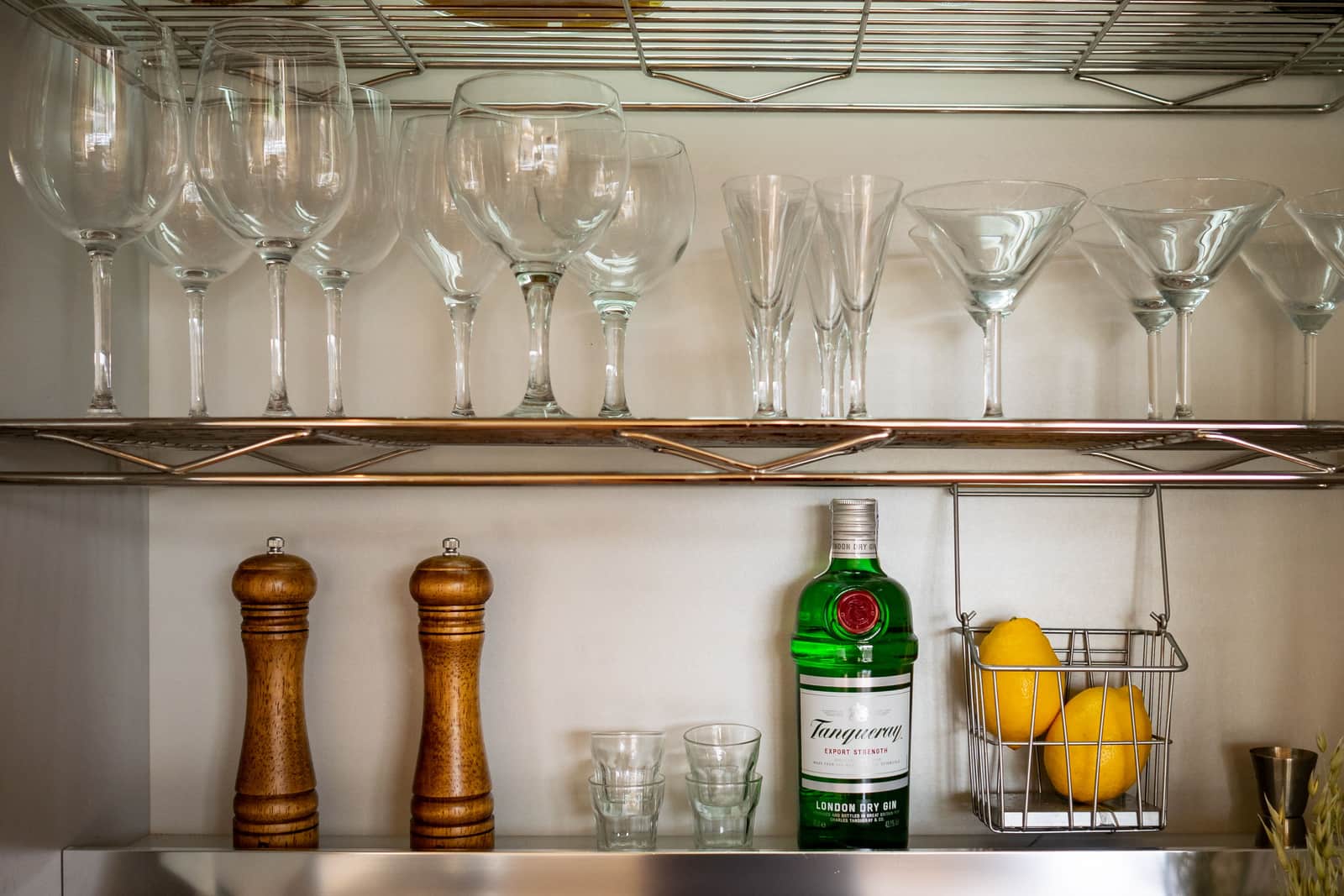
Best bar cart
Best bar carts
Bottle capacity, usable surface, rails and casters - the four things that decide whether a cart gets used.
Category
Carts, cabinets and the accessories that keep them from turning into a sticky shelf. Start here if your bottles currently live on a kitchen counter.
We earn a commission if you buy through the links on this page, at no extra cost to you. It never changes which product we pick. How we are funded.
Top pick · Best bar cart
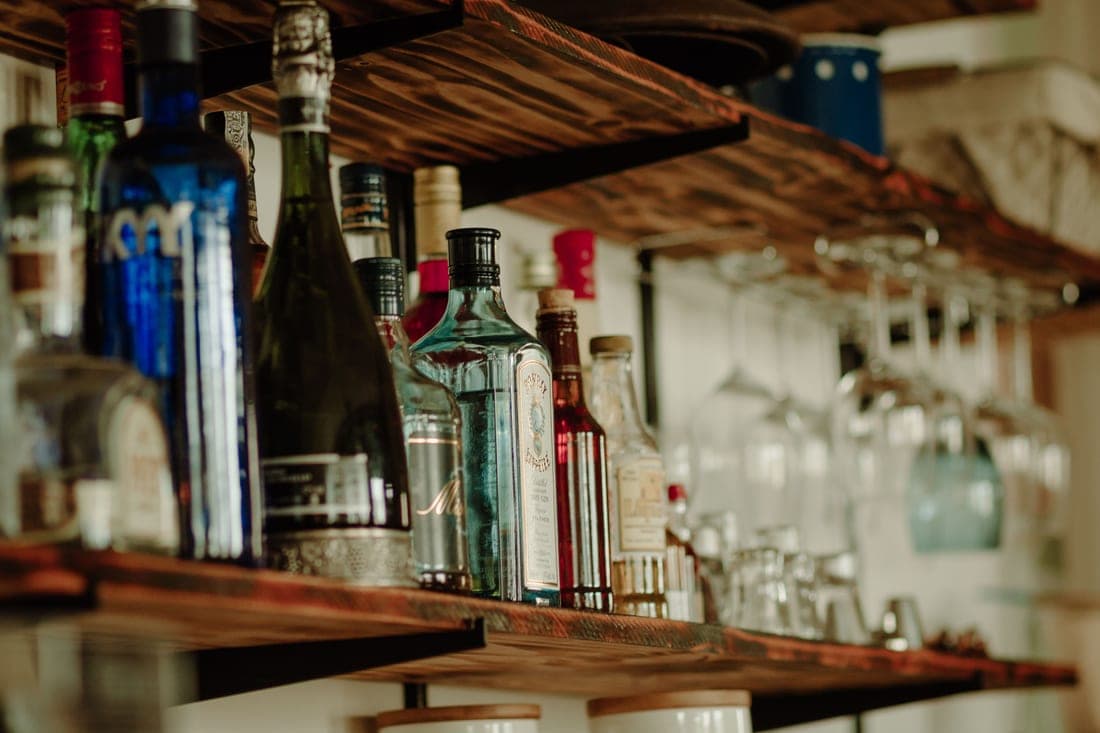
A railed glass top, a bottom shelf that holds a real bottle load, and a price that does not ask you to commit.
The reason a bar cart improves the drinks you make has nothing to do with how it looks. It is that having the bottles, the tools and a working surface in one place removes the four trips to different cupboards that stop you making a drink on a Tuesday. Everything you own being within one arm's reach is the whole mechanism.
That is also why the two obvious specifications - tiers and width - matter less than people assume. What matters is usable surface (somewhere to actually build a drink, not just store bottles), a rail or lip on the top (so nothing walks off while you roll it), and a bottom shelf rated for the weight of a genuine bottle collection rather than four for the photograph.
The fork in the road is open versus closed. A cart is a rolling display: bottles on show, everything reachable, dust included. A cabinet closes, which protects labels from sunlight and keeps the room tidy, and gives up the display entirely. Neither is better - bar cart vs bar cabinet is an argument about what your room is for.
Buying guides
Best bar cart
Bottle capacity, usable surface, rails and casters - the four things that decide whether a cart gets used.
Best small-space bar cart
Narrow and three-tier carts compared on footprint, shelf clearance and whether a surface survives.
Best home bar cabinet
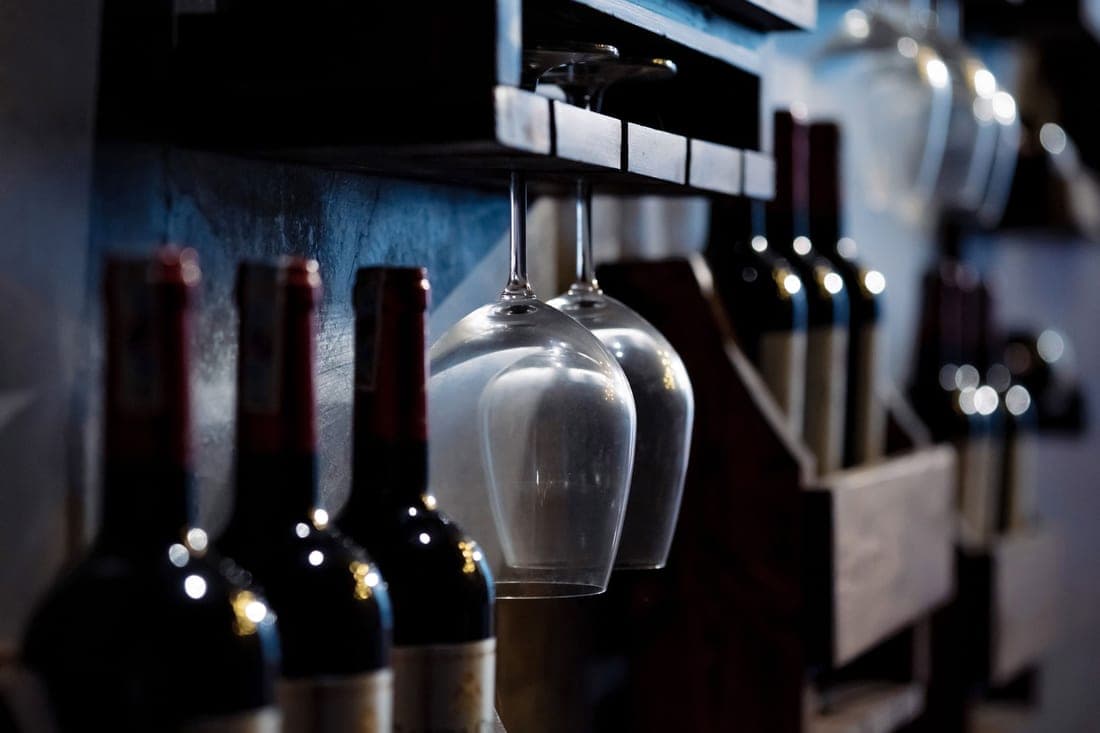
Enclosed capacity, serving surface and what doors actually protect - plus when a cart wins.

Best bar cart accessories
The three accessories that change how a cart works, and the popular ones that get used twice.
Deciding between two
Head to head
Open display against doors: capacity, dust, sunlight and how the room is actually used.
Review
Why this cart tops most shortlists, what the glass top costs you, and who should buy narrower.
Technique and troubleshooting
Guide
Six bottles, four tools and the layout rule that decides whether a cart gets used or ignored.
Guide
Five tools, three glass shapes, one ice solution, six bottles - and the order worth buying them in.
Guide
Five setups ranked by floor area needed, starting with the one that needs none.
How to choose
Accessories are not an afterthought here: a bar mat and coasters are what keep a glass-topped cart from acquiring a permanent ring map within a year, and an insulated ice bucket is what lets good ice survive from the freezer to the second drink. Best bar cart accessories covers the short list worth owning, and how to stock a bar cart covers what goes on it.
Elsewhere on the site