Roundup
Best bar stools for a kitchen island
Measure first. A kitchen island is almost always counter height, not bar height, and that one number decides which of these stools is right and which is a return.
By Michael W. · Published October 2026
The short answer
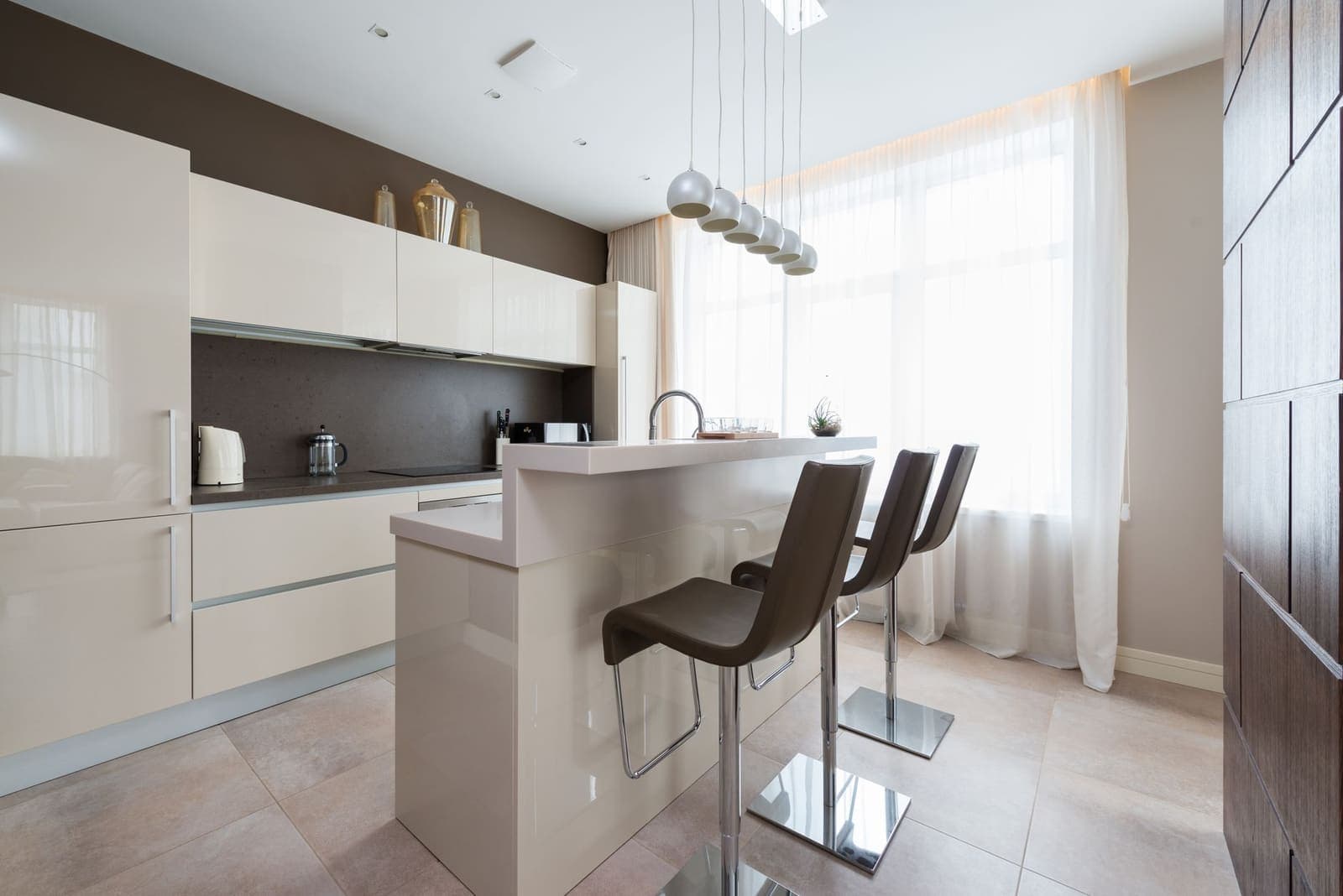
Most kitchen islands are 36 inches tall, which calls for a counter-height stool with a seat around 24 to 27 inches - not the 29 to 30 inch bar stool the name suggests. Buy the Nathan James Arlo Backless Saddle Bar Stool at about 27 inches if floor space matters and the stools need to tuck away: backless seats disappear under an overhang and give a small kitchen its floor back. Buy the Nathan James Gracie Upholstered Bar Stool if people are meant to stay for a second drink - it is sold in both a 24 inch counter and a 29 inch bar seat height, and a back is the difference between a twenty-minute stool and a two-hour one. Buy the Yaheetech Adjustable Swivel Bar Stool if you have not measured yet or the surface is non-standard: it adjusts roughly 25 to 33 inches, which removes the one decision people get wrong.
We earn a commission if you buy through the links on this page, at no extra cost to you. It never changes which product we pick. How we are funded.
Quick picks
| # | Product | Best for | Price |
|---|---|---|---|
| 1 | 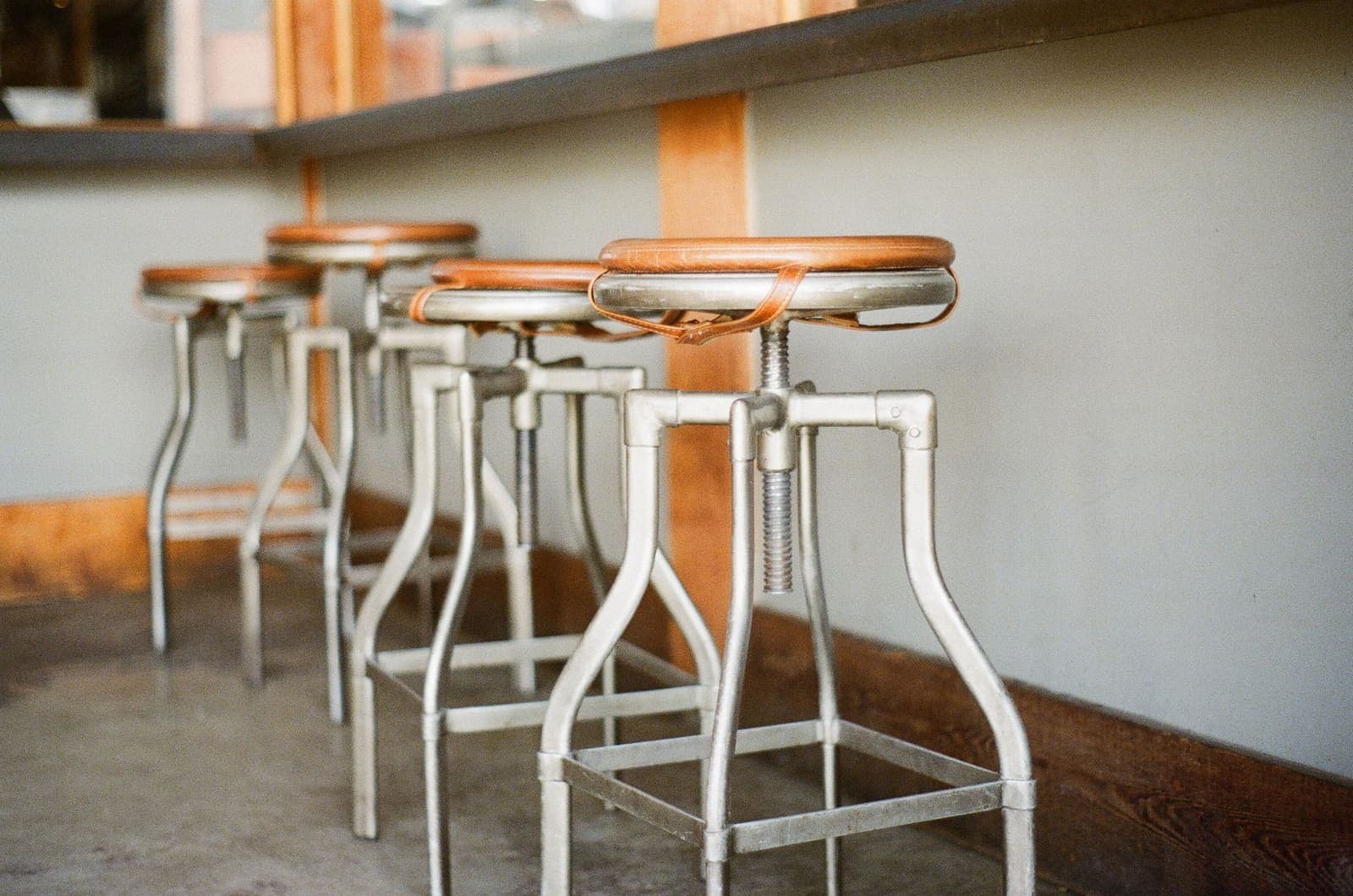 Nathan James Arlo Backless Saddle Bar Stool Best for a small kitchen | Small rooms and tuck-away seating | |
| 2 | 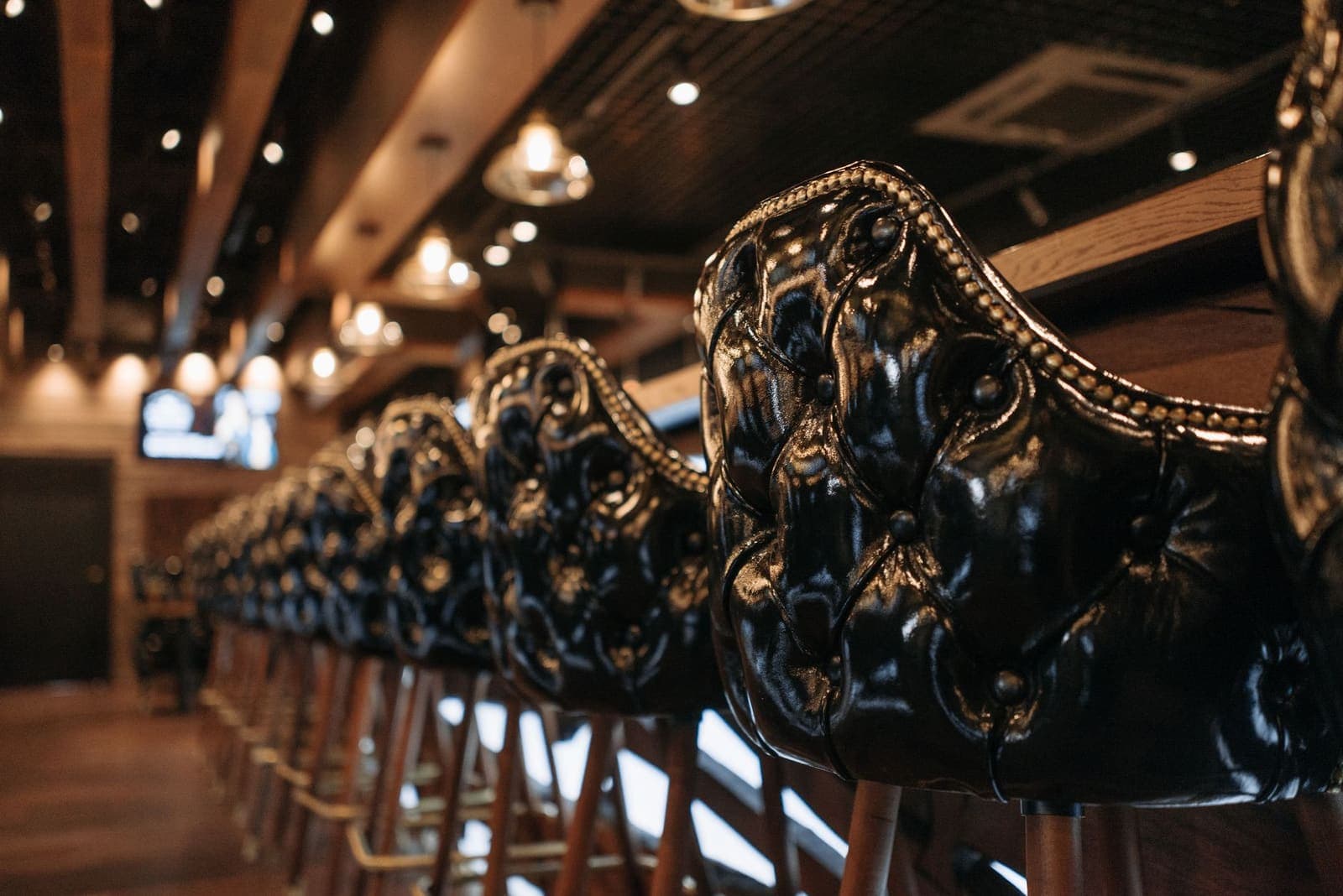 Nathan James Gracie Upholstered Bar Stool Best if people sit for a while | Sitting for a second drink | |
| 3 | Yaheetech Adjustable Swivel Bar Stool Best if the height is uncertain | When you do not know the right height yet |
Scroll the table sideways on a narrow screen. Prices are set by the retailer and change, so every price link opens the current listing rather than quoting a number here.
Measure first
The number that decides everything
Measure from the floor to the underside of the island top, then subtract. You want 9 to 12 inches of clearance between the seat and the underside of the counter - that is leg room, and below 9 inches thighs hit the overhang.
| Surface height | Surface type | Seat height | Stool called |
|---|---|---|---|
| 36 in | Standard kitchen island or counter | 24 to 27 in | Counter stool |
| 42 in | Raised bar top or breakfast bar | 29 to 30 in | Bar stool |
| 30 to 32 in | Dining-height table or desk | 18 to 20 in | Dining chair |
| Non-standard | Custom or built-in | Measure, then adjustable | Adjustable stool |
The naming is the trap. A kitchen island is counter height nine times out of ten, so the thing you need is a counter stool - and the product category is called bar stools. Buying a 29 inch stool for a 36 inch island is the most common seating mistake there is, and it leaves people sitting with their chests at counter level. Bar stool height guide has the full measuring method.
Width
How many stools fit along your island
Allow 26 to 30 inches of counter run per stool, centre to centre. Less than that and shoulders touch; more and the row looks sparse. Then check the overhang: you need at least 10 to 12 inches of counter projecting past the cabinet for knees to go under, and islands designed for food prep often have less.
- A 6 ft island run: two stools comfortably, three if the stools are narrow and backless.
- An 8 ft run: three stools, which is the most common kitchen island configuration.
- Under 10 in of overhang: backless stools only, and accept that people will sit sideways.
- A corner: do not put a stool there. Two people at right angles knock knees.
Backed or backless
The second real decision
Everything else is finish. This is the choice that changes how the kitchen works.
| Backless | Backed | |
|---|---|---|
| Tucks under the counter | Fully | No - stays visible |
| Comfortable for | Twenty minutes to an hour | A whole evening |
| Visual weight in the room | Low | High |
| Footrest usually fitted | Yes | Yes |
| Best for | Small or busy kitchens | Kitchens that double as the bar |
If the island is where people sit while someone cooks or makes drinks, go backed. If the island is a working surface and the stools are mostly in the way, go backless and tuck them. There is no compromise option that does both - a backed stool is permanently in the room.
The details
Four things to check before you order
- A footrest. At 27 inches, feet do not reach the floor. A built-in footrest is not a luxury, it is what makes the stool sittable for more than a few minutes.
- Wipe-clean upholstery within splash range. If the stools sit where drinks get built, faux leather or PU wipes and fabric does not. The Arlo and the Yaheetech wipe clean; the Gracie is fabric.
- Floor protection. Hard floors scratch. Check for felt pads or budget to add them, and note that gas-lift bases concentrate weight on a small footprint.
- Swivel or fixed. A swivel lets someone turn to join a conversation without scraping the stool back; a fixed seat is simpler and has nothing to wear out. Gas-lift swivel stools do creep down under weight over the years - that is the mechanism, not a defect.
If the island is also where you make drinks, the stools are only half the problem - a working surface needs somewhere to put bottles, tools and ice. Best bar cart accessories and home bar essentials checklist cover that side.
The picks explained
Why the Arlo is first
The Arlo is first because the single most common kitchen island problem is floor space, not comfort. A backless saddle seat at about 27 inches tucks completely under an overhang, which turns three stools from permanent furniture into something that disappears. A saddle shape also matters - a flat disc seat backless is uncomfortable within ten minutes, and a contoured saddle is not.
The Gracie is the pick when the island is the social centre of the house. Nathan James sell it in both heights, which is unusual and useful: you can buy 24 inch seats for a 36 inch island without hunting for a different model. The honest downside is fabric upholstery in a splash zone, and that a backed stool never fully tucks away.
The Yaheetech is the pick for uncertainty. A range of roughly 25 to 33 inches spans counter height and bar height, which is the right answer if the surface is custom, if you are mid-renovation, or if the stools may move to a different room. The trade is that it looks like what it is - a practical adjustable base rather than furniture - and the armrests stop it tucking under anything at all. Best bar stools for a home bar covers the field from the bar-height side.
The picks in full
Every pick, and who each one is for
01 · Best for a small kitchen
Nathan James Arlo Backless Saddle Bar Stool
Nathan James · Entry tier
A backless faux-leather saddle seat at counter height, which is the stool that works when floor area matters more than lounging.
About 27 inches, backless, with a saddle-shaped faux-leather seat that wipes clean. Backless is the whole argument: it tucks fully under an overhang, which is how a narrow galley kitchen keeps its walkway.
The specs that decide it
- Seat height:
- about 27 in, counter height
- Back:
- none, saddle seat
- Upholstery:
- faux leather, wipe clean
- Footrest:
- yes
Who it is for
- Backless means it tucks fully under an overhang, which gives a small room its floor back
- Faux leather wipes clean, which is the right call within splash range of a shaker
- A saddle-shaped seat is far more comfortable backless than a flat disc is
Where it gives ground
- No back means no long sits - this is a stool for an hour, not an evening
- 27 in is counter height, so it is wrong for a full-height bar top
Skip this one if your bar top is full bar height. Measure first; a counter stool at a bar counter is the most common seating mistake there is.
02 · Best if people sit for a while
Nathan James Gracie Upholstered Bar Stool
Nathan James · Mid tier
A backed, upholstered stool sold in both counter and bar seat heights - the one to buy if people are meant to stay rather than perch.
A backed, upholstered stool sold in both a 24 inch counter height and a 29 inch bar height, with a built-in footrest. The back and the footrest are what turn a perch into a seat people stay in.
The specs that decide it
- Seat heights:
- about 24 in counter and about 29 in bar
- Back:
- yes, curved
- Legs:
- brushed wood
- Footrest:
- built in
Who it is for
- A back is the difference between a twenty-minute stool and a two-hour stool
- Sold in both counter and bar heights, so you can match the surface you actually have
- A built-in footrest matters more than it sounds at 29 inches - feet need somewhere to go
Where it gives ground
- Upholstery near a bar is a stain risk, and this is fabric rather than wipe-clean
- Backed stools do not tuck fully under a counter, so they stay visible
Skip this one if the stools have to disappear when nobody is sitting on them. A backless saddle seat tucks away and this does not.
03 · Best if the height is uncertain
Yaheetech Adjustable Swivel Bar Stool
Yaheetech · Mid tier
A gas-lift swivel with a back and armrests that adjusts across roughly 25 to 33 inches, which removes the one decision people get wrong.
A gas-lift swivel with a padded back and armrests, adjustable across roughly 25 to 33 inches. It covers counter, bar and most improvised surfaces from one purchase, and the swivel lets someone turn to talk without standing up.
The specs that decide it
- Seat height:
- adjustable, roughly 25 to 33 in
- Back:
- yes, padded
- Swivel:
- 360 degrees
- Upholstery:
- PU leather, wipe clean
Who it is for
- Adjustable height covers counter, bar and most improvised surfaces from one purchase
- A swivel seat is what lets someone turn to talk without standing up and resetting
- PU leather wipes clean and does not hold a spill the way fabric does
Where it gives ground
- Gas-lift stools creep down under weight over the years - that is the mechanism, not a defect
- Armrests stop it tucking under a counter at all
Skip this one if you want furniture. An adjustable office-style base is a practical object and it looks like one.
Honest limits
What we could not verify
We have not sat on these stools over a long evening, assembled them, or tested gas-lift durability. Seat heights, back construction, upholstery material and footrest fitment are as published by Nathan James and Yaheetech. Clearance and spacing figures are standard furniture practice, not measurements of a particular kitchen. No prices are quoted - this site has no live price data.
We do not run a test lab and we have not personally used every product here. Where a judgment rests on published specifications or on what owners report rather than on our own hands, we say so. Read the full method.
Questions
Related questions
- What height bar stool for a kitchen island?
- For a standard 36 inch island, a counter-height stool with a seat around 24 to 27 inches. Aim for 9 to 12 inches of clearance between the seat and the underside of the counter. A 29 to 30 inch bar stool is for a raised 42 inch bar top, not a kitchen island.
- How many stools fit at a kitchen island?
- Allow 26 to 30 inches of counter run per stool, centre to centre. That is two stools on a 6 ft run and three on an 8 ft run. Also check you have at least 10 to 12 inches of overhang for knees, and do not place a stool on a corner.
- Should kitchen island stools have backs?
- Backed if people sit for a whole evening; backless if floor space matters more. Backless stools tuck fully under an overhang and give a small kitchen its walkway back. Backed stools are permanently visible in the room but are far more comfortable for long sits.
- Are adjustable bar stools a good idea for a kitchen island?
- Yes if the height is uncertain, custom or likely to change - a range of roughly 25 to 33 inches covers both counter and bar. The trade-offs are that gas-lift bases creep down under weight over the years and that an adjustable stool looks like practical equipment rather than furniture.
- Do kitchen island stools need a footrest?
- Yes. At 24 to 27 inches most people's feet do not reach the floor, and without somewhere to put them a stool becomes uncomfortable within minutes. A built-in footrest is one of the few features worth treating as non-negotiable.
Sources
Read next
Related reading
- Bar carts and bar storage
Carts, cabinets and the accessories that stop a bar cart turning into a sticky shelf.
- Best bar stools for a home bar
Seat height decides everything. Three stools chosen around the counter you already have, with the measurement that matters.
- Bar stool height guide
Surface height minus eleven inches equals seat height - plus the two things that break the arithmetic.
- Bar cart dimensions guide
Thirty to thirty-four inches tall, and the shelf-clearance number that decides whether your bottles stand up.
- Home bar essentials checklist
Five tools, three glass shapes, one ice solution, six bottles - and the order worth buying them in.
- Best bar cart accessories
The three accessories that change how a cart works, and the popular ones that get used twice.