Guide
Bar stool height guide
Measure the surface, subtract eleven inches, buy that seat height. Everything else about a bar stool is preference - this part is arithmetic, and it is where most purchases go wrong.
By Michael W. · Published October 2026
The short answer
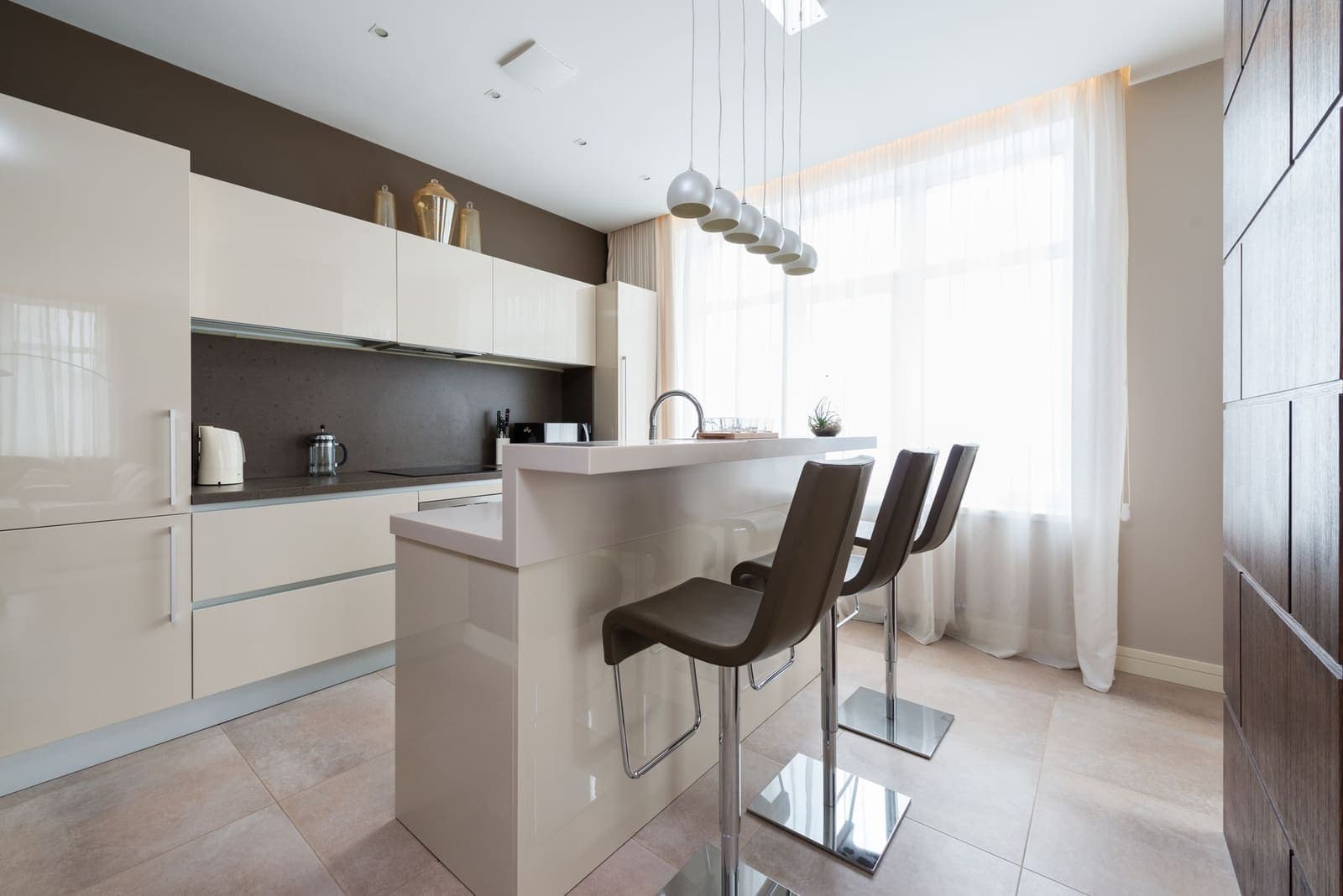
Measure from the floor to the top of your counter, then subtract 11 inches. That is the seat height to buy, and anything within an inch of it will feel right. In practice: a 34 to 36 inch kitchen counter takes a 24 to 26 inch counter stool; a 40 to 42 inch bar top takes a 29 to 31 inch bar stool; a 43 to 46 inch custom bar takes a 33 to 36 inch extra-tall stool. The two things that break the arithmetic are a thick countertop with a deep apron, which eats knee room the seat-height number does not see, and a seat cushion that compresses an inch under weight. Check both before ordering three of anything.
We earn a commission if you buy through the links on this page, at no extra cost to you. It never changes which product we pick. How we are funded.
Quick picks
| # | Product | Best for | Price |
|---|---|---|---|
| 1 | 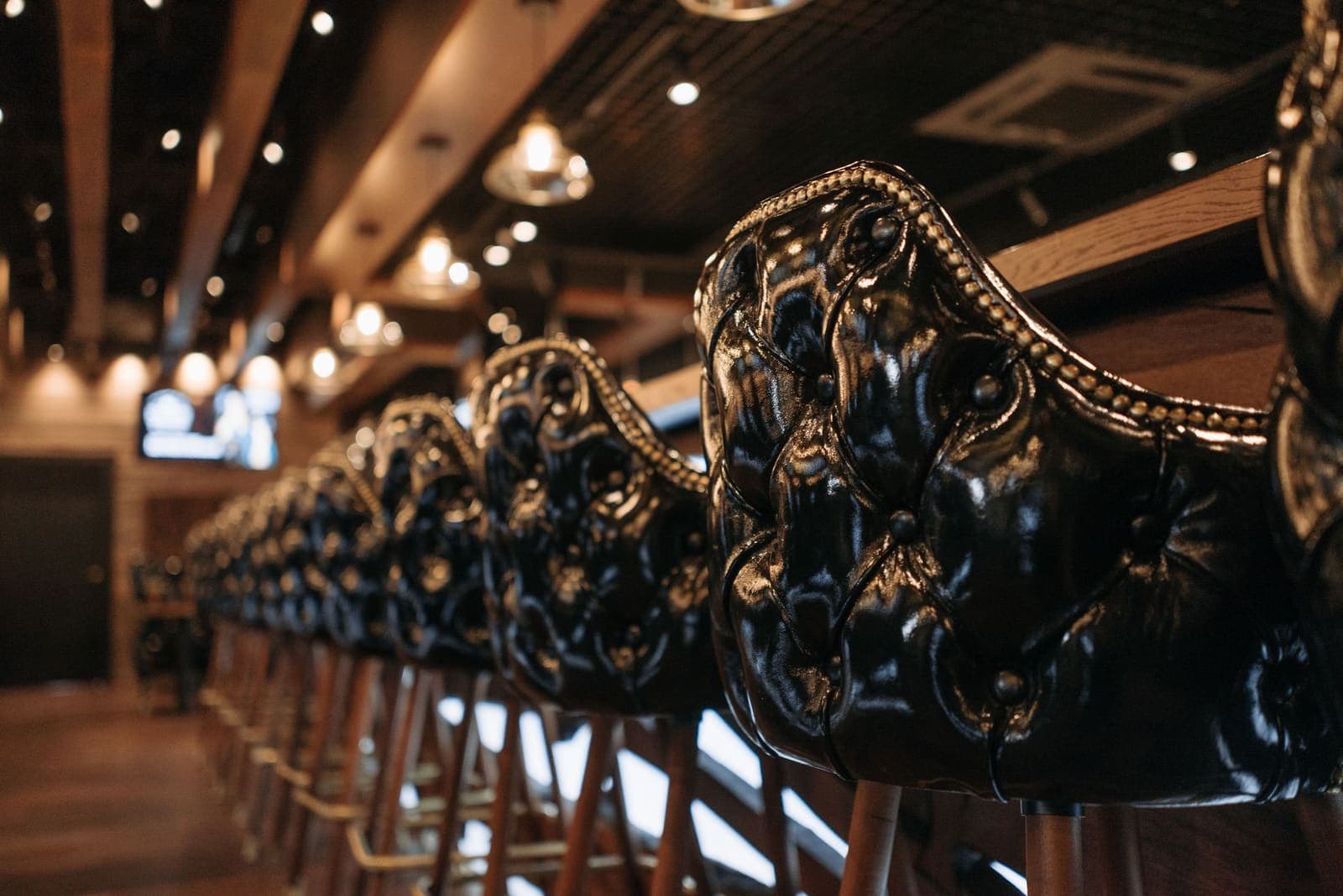 Nathan James Gracie Upholstered Bar Stool Sold in two heights | Sitting for a second drink | |
| 2 | Yaheetech Adjustable Swivel Bar Stool When the measurement is awkward | When you do not know the right height yet | |
| 3 | 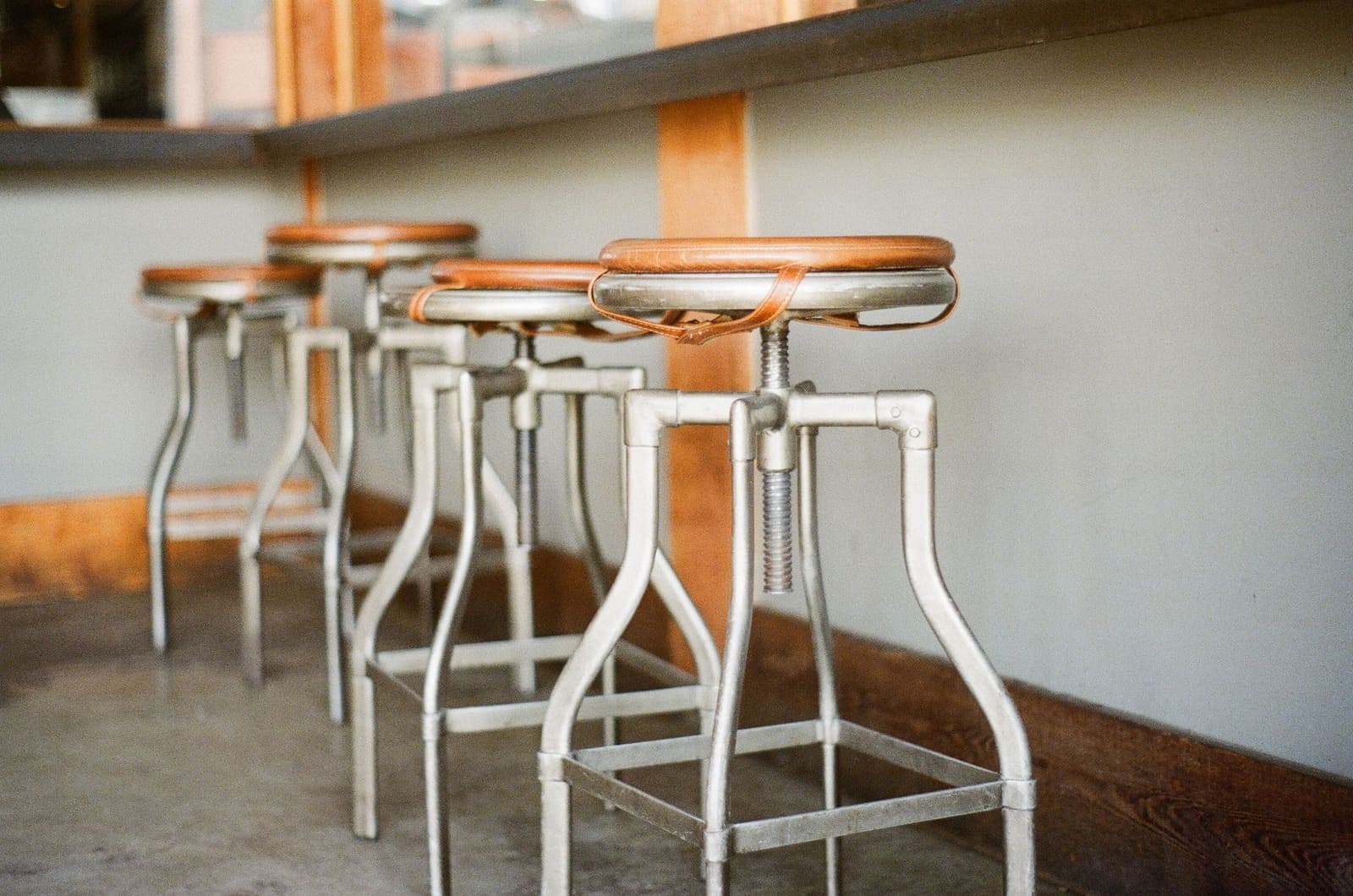 Nathan James Arlo Backless Saddle Bar Stool When clearance is tight | Small rooms and tuck-away seating |
Scroll the table sideways on a narrow screen. Prices are set by the retailer and change, so every price link opens the current listing rather than quoting a number here.
The rule
The 10 to 12 inch clearance rule
A stool is comfortable when there are 10 to 12 inches between the top of the seat and the underside of the countertop. That gap is where thighs go. Below about 9 inches your legs are pinned against the counter and you sit sideways to compensate. Above about 13 inches you are reaching up to the surface with your shoulders lifted, which is tiring in a way people rarely attribute to the stool.
So the arithmetic is: surface height minus 11 equals seat height. Eleven rather than ten or twelve because it leaves an inch of tolerance in either direction, which absorbs a seat cushion compressing and a counter that is half an inch off nominal.
Measure from the finished floor - including a rug, if there is one under the stool - to the top of the counter. Not to the underside, and not from a photograph of a similar kitchen.
The numbers
What height stool for which counter
| Surface height | Seat height to buy | Category |
|---|---|---|
| 28 to 30 in (dining table) | 17 to 19 in | Dining chair, not a stool |
| 34 in | 23 to 24 in | Counter stool |
| 35 in | 24 in | Counter stool |
| 36 in (standard counter) | 24 to 26 in | Counter stool |
| 40 in | 29 in | Bar stool |
| 41 in | 29 to 30 in | Bar stool |
| 42 in (standard bar) | 29 to 31 in | Bar stool |
| 43 to 45 in | 32 to 34 in | Extra-tall stool |
| 46 in | 35 to 36 in | Extra-tall or custom |
The two standard sizes are 36 inches, which is a kitchen counter, and 42 inches, which is a bar. Almost every stool sold is built for one or the other, which is why a 38-inch surface is genuinely awkward and an adjustable stool earns its keep there.
A 36-inch counter with 29-inch bar stools is the single most common version of this mistake. The clearance comes out at seven inches, the sitter's knees are against the cabinet, and the stools get described as uncomfortable when they are simply the wrong category.
The catch
Two things that break the arithmetic
The number is right and the stool is still wrong. Two reasons, and neither appears on a product listing.
- The apron and the counter thickness. Clearance is measured to the underside of the surface, not the top. A 3-inch butcher-block top with a 4-inch apron rail beneath it removes seven inches of the gap the seat-height number implied. Measure to the lowest obstruction under the counter, then do the subtraction.
- Cushion compression. A soft upholstered seat gives up three quarters of an inch to an inch under an adult's weight, and the listed seat height is almost always unloaded. A firm or wooden seat does not. If your measurement is borderline, a cushioned stool effectively sits an inch lower than it claims - which is sometimes exactly what you want.
There is a third, smaller one: a swivel stool with armrests has to clear the counter edge with the arms, not just with the seat. If the arms are 7 inches above the seat and your clearance is 10, the arms will hit the counter before the stool is pushed in. Backless or armless solves it.
Footrests
Why a footrest stops being optional at 29 inches
At counter height, most adults can reach the floor or near enough. At 29 inches and up, feet dangle, and dangling feet put the whole weight of the lower leg on the front edge of the seat. That is the specific thing that makes a tall stool uncomfortable after twenty minutes, and it is why the footrest is a structural feature at bar height rather than a styling detail.
A good footrest sits roughly 12 inches below the seat and runs the width of the stool or wraps it, so feet can rest flat rather than on a single rung. A thin single rail at the wrong height is worse than none, because people hook one heel on it and sit asymmetrically.
If you are buying at bar height, treat the footrest as a requirement and the back as a preference - which is the opposite of how most people shop. Best bar stools for a home bar covers the three models alongside each other.
Spacing
Spacing and knee room, once the height is right
Two more measurements worth taking at the same time, because they are cheaper to discover now than after delivery.
- Width per stool: 26 to 30 inches centre to centre. Below 26 inches elbows meet. A six-foot bar top takes three stools, not four.
- Overhang depth: 10 inches minimum, 12 is better. This is how far the countertop projects past the cabinet or bar front. Less than 10 inches and there is nowhere for knees to go regardless of the seat height.
- Leave one position clear if you build drinks there. A working surface needs 24 to 30 inches of clear counter, or your mixing glass ends up beside somebody's elbow.
That last point is the one that separates a home bar from a counter with stools at it. If the same surface is where you stir and where people sit, the seating plan and the working plan have to be drawn together. Home bar essentials checklist covers what actually has to be within reach of that working space.
And if the measurements come out saying there is no room for stools at all, that is a useful answer rather than a failure - bar cart ideas for small spaces covers the setups that work without seating.
The picks in full
Every pick, and who each one is for
01 · Sold in two heights
Nathan James Gracie Upholstered Bar Stool
Nathan James · Mid tier
A backed, upholstered stool sold in both counter and bar seat heights - the one to buy if people are meant to stay rather than perch.
The practical answer to this whole guide: a model offered in both counter and bar seat heights means you can buy the one your measurement says you need rather than the one that happened to be stocked. It has a back and a built-in footrest, which both matter more as the seat gets taller.
The specs that decide it
- Seat heights:
- about 24 in counter and about 29 in bar
- Back:
- yes, curved
- Legs:
- brushed wood
- Footrest:
- built in
Who it is for
- A back is the difference between a twenty-minute stool and a two-hour stool
- Sold in both counter and bar heights, so you can match the surface you actually have
- A built-in footrest matters more than it sounds at 29 inches - feet need somewhere to go
Where it gives ground
- Upholstery near a bar is a stain risk, and this is fabric rather than wipe-clean
- Backed stools do not tuck fully under a counter, so they stay visible
Skip this one if the stools have to disappear when nobody is sitting on them. A backless saddle seat tucks away and this does not.
02 · When the measurement is awkward
Yaheetech Adjustable Swivel Bar Stool
Yaheetech · Mid tier
A gas-lift swivel with a back and armrests that adjusts across roughly 25 to 33 inches, which removes the one decision people get wrong.
Adjustable across roughly 25 to 33 inches on a gas lift, which covers counter height, bar height and the in-between surfaces that fixed stools simply do not fit. If your bar top is a non-standard 38 inches, this is the honest solution rather than buying a stool that is two inches wrong.
The specs that decide it
- Seat height:
- adjustable, roughly 25 to 33 in
- Back:
- yes, padded
- Swivel:
- 360 degrees
- Upholstery:
- PU leather, wipe clean
Who it is for
- Adjustable height covers counter, bar and most improvised surfaces from one purchase
- A swivel seat is what lets someone turn to talk without standing up and resetting
- PU leather wipes clean and does not hold a spill the way fabric does
Where it gives ground
- Gas-lift stools creep down under weight over the years - that is the mechanism, not a defect
- Armrests stop it tucking under a counter at all
Skip this one if you want furniture. An adjustable office-style base is a practical object and it looks like one.
03 · When clearance is tight
Nathan James Arlo Backless Saddle Bar Stool
Nathan James · Entry tier
A backless faux-leather saddle seat at counter height, which is the stool that works when floor area matters more than lounging.
Backless and at about 27 inches, which is the right answer when the countertop is thick, the apron is deep, and a backed stool would put the sitter's knees against timber. It also tucks fully under the overhang, which is the other thing a tight room needs.
The specs that decide it
- Seat height:
- about 27 in, counter height
- Back:
- none, saddle seat
- Upholstery:
- faux leather, wipe clean
- Footrest:
- yes
Who it is for
- Backless means it tucks fully under an overhang, which gives a small room its floor back
- Faux leather wipes clean, which is the right call within splash range of a shaker
- A saddle-shaped seat is far more comfortable backless than a flat disc is
Where it gives ground
- No back means no long sits - this is a stool for an hour, not an evening
- 27 in is counter height, so it is wrong for a full-height bar top
Skip this one if your bar top is full bar height. Measure first; a counter stool at a bar counter is the most common seating mistake there is.
Questions
Related questions
- What height bar stool for a 36 inch counter?
- A 24 to 26 inch seat height. Subtract 11 inches from the surface height to get the seat height you need - 36 minus 11 is 25, and anything from 24 to 26 inches will feel right.
- What height bar stool for a 42 inch bar?
- A 29 to 31 inch seat height, which is what is sold as a bar stool rather than a counter stool. At that height a footrest stops being optional, because feet no longer reach the floor.
- How much clearance should there be between a stool and the counter?
- 10 to 12 inches between the top of the seat and the underside of the counter. Below 9 inches your thighs are against the surface; above 13 you are reaching up to it with your shoulders raised.
- What is the difference between counter height and bar height?
- Counter height is a 34 to 36 inch surface with a 24 to 26 inch stool. Bar height is a 40 to 42 inch surface with a 29 to 31 inch stool. The two are about nine inches apart, which is why mixing them up is the most common bar seating mistake.
- How far apart should bar stools be?
- 26 to 30 inches centre to centre. Below 26 inches elbows collide and below 24 the stools cannot both be pulled out at once. A six-foot counter takes three stools comfortably.
- Are adjustable bar stools a good idea?
- They are the right answer for a non-standard surface height, and the honest answer if you have not measured yet. The cost is that gas-lift mechanisms creep down under weight over the years, and that armrests on a swivel base stop the stool tucking under the counter at all.
Read next
Related reading
- Bar carts and bar storage
Carts, cabinets and the accessories that stop a bar cart turning into a sticky shelf.
- Best bar stools for a home bar
Seat height decides everything. Three stools chosen around the counter you already have, with the measurement that matters.
- Home bar essentials checklist
Five tools, three glass shapes, one ice solution, six bottles - and the order worth buying them in.
- Bar cart ideas for small spaces
Five setups ranked by floor area needed, starting with the one that needs none.
- Bar cart vs bar cabinet
Open display against doors: capacity, dust, sunlight and how the room is actually used.
- The home bar upgrade guide
Find your weak link by symptom rather than by category - and the two cases where gear is not the answer.