Roundup
Best bar stools for a home bar
Seat height is the specification that decides whether a stool is comfortable or useless, and it is the one most people get wrong. Three stools, chosen around the surface you already have.
By Michael W. · Published October 2026
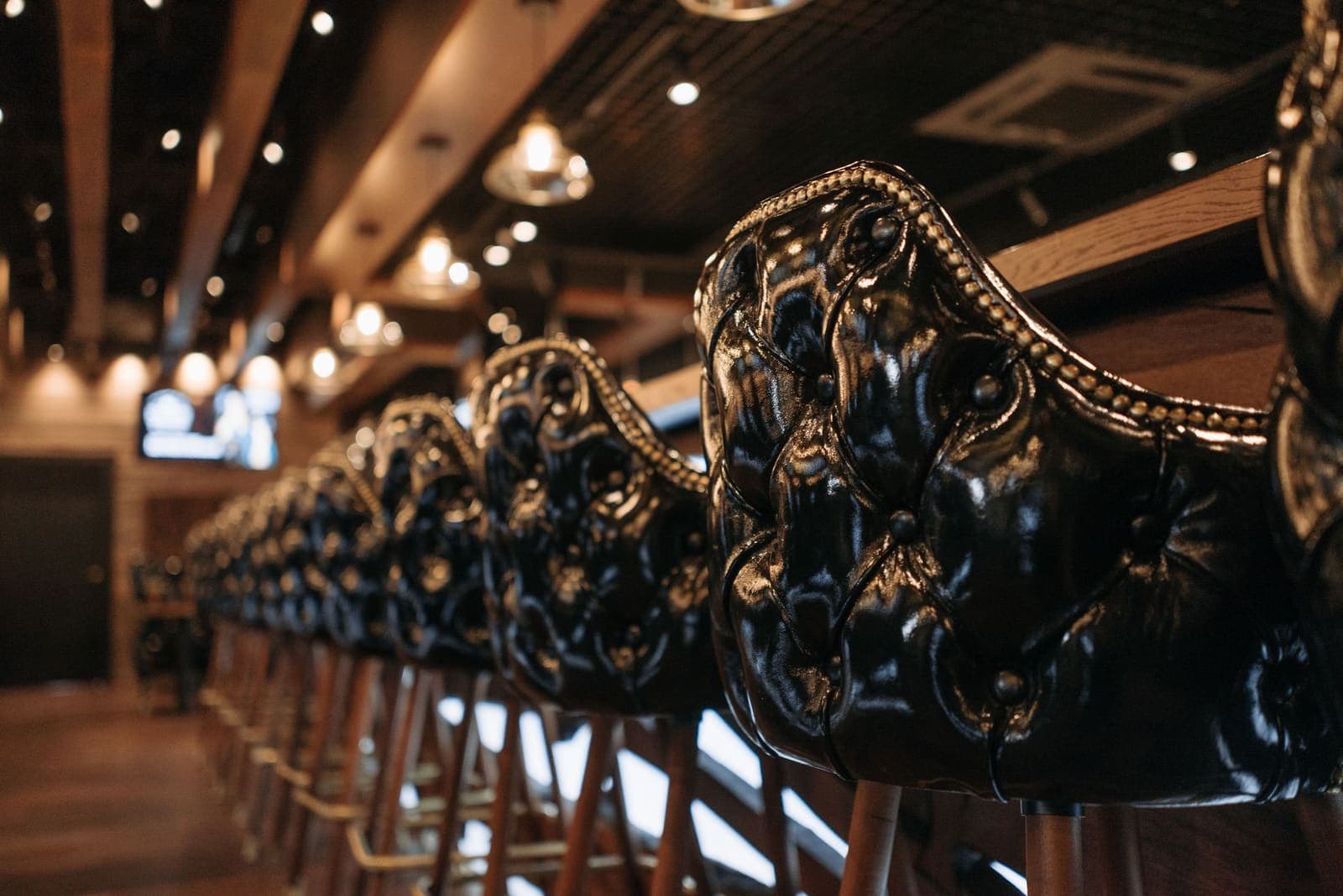
The short answer
Measure your counter first - everything else is secondary. For a bar you want people to sit at for an evening, the Nathan James Gracie is the right buy: it has a back, a built-in footrest, and it comes in both counter and bar seat heights so you can match the surface. If the room is small and the stools have to disappear when nobody is on them, the Nathan James Arlo is a backless saddle seat at counter height that tucks fully under an overhang. If you do not know your height yet, or the stools will move between a counter and a taller bar, the adjustable Yaheetech swivel covers roughly 25 to 33 inches from one purchase. All three want about 10 to 12 inches of clearance between seat and countertop - that figure, not the stool, is the thing to get right.
We earn a commission if you buy through the links on this page, at no extra cost to you. It never changes which product we pick. How we are funded.
Quick picks
| # | Product | Best for | Price |
|---|---|---|---|
| 1 | Nathan James Gracie Upholstered Bar Stool Best overall | Sitting for a second drink | |
| 2 | 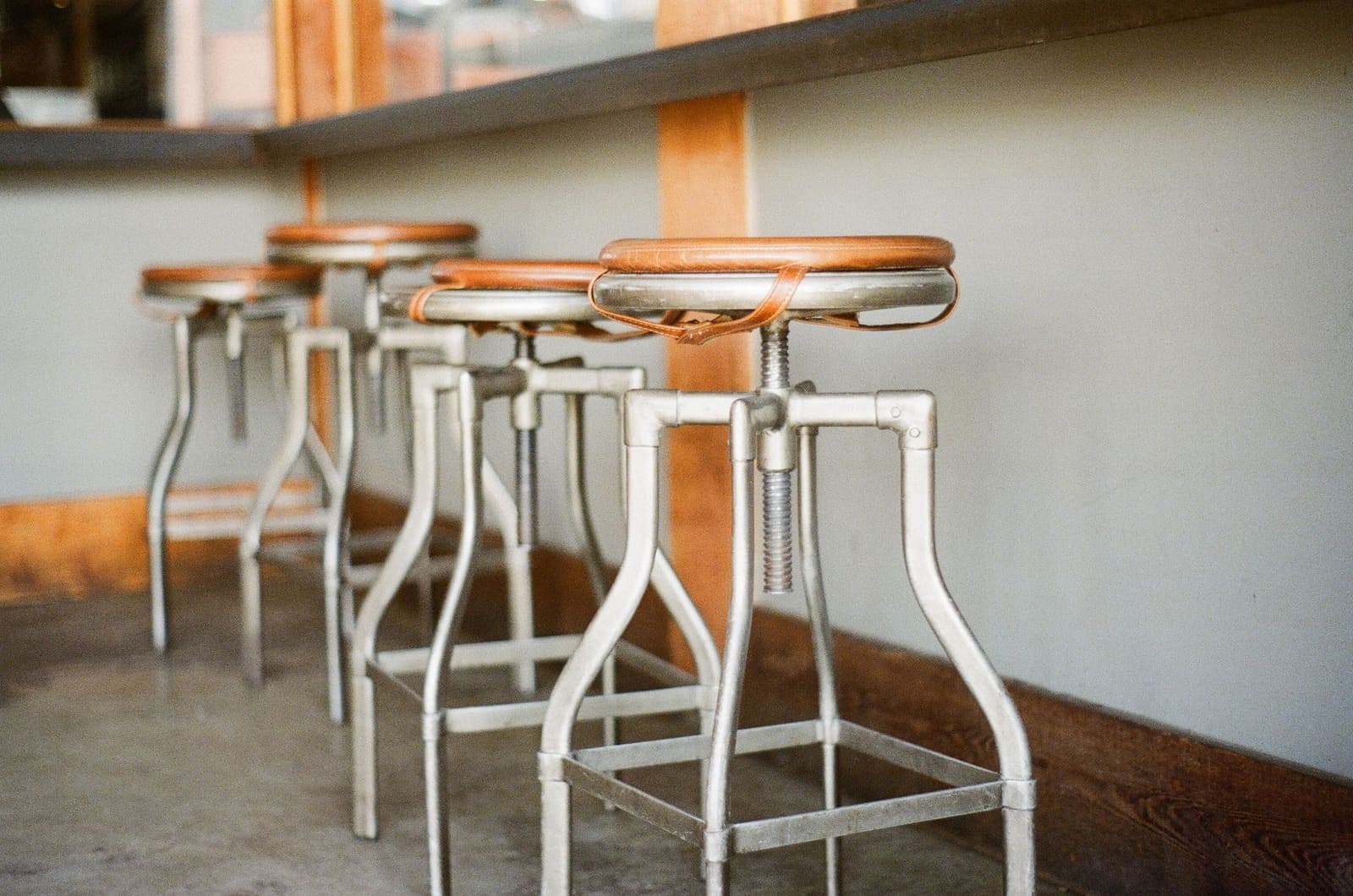 Nathan James Arlo Backless Saddle Bar Stool Best for small rooms | Small rooms and tuck-away seating | |
| 3 | 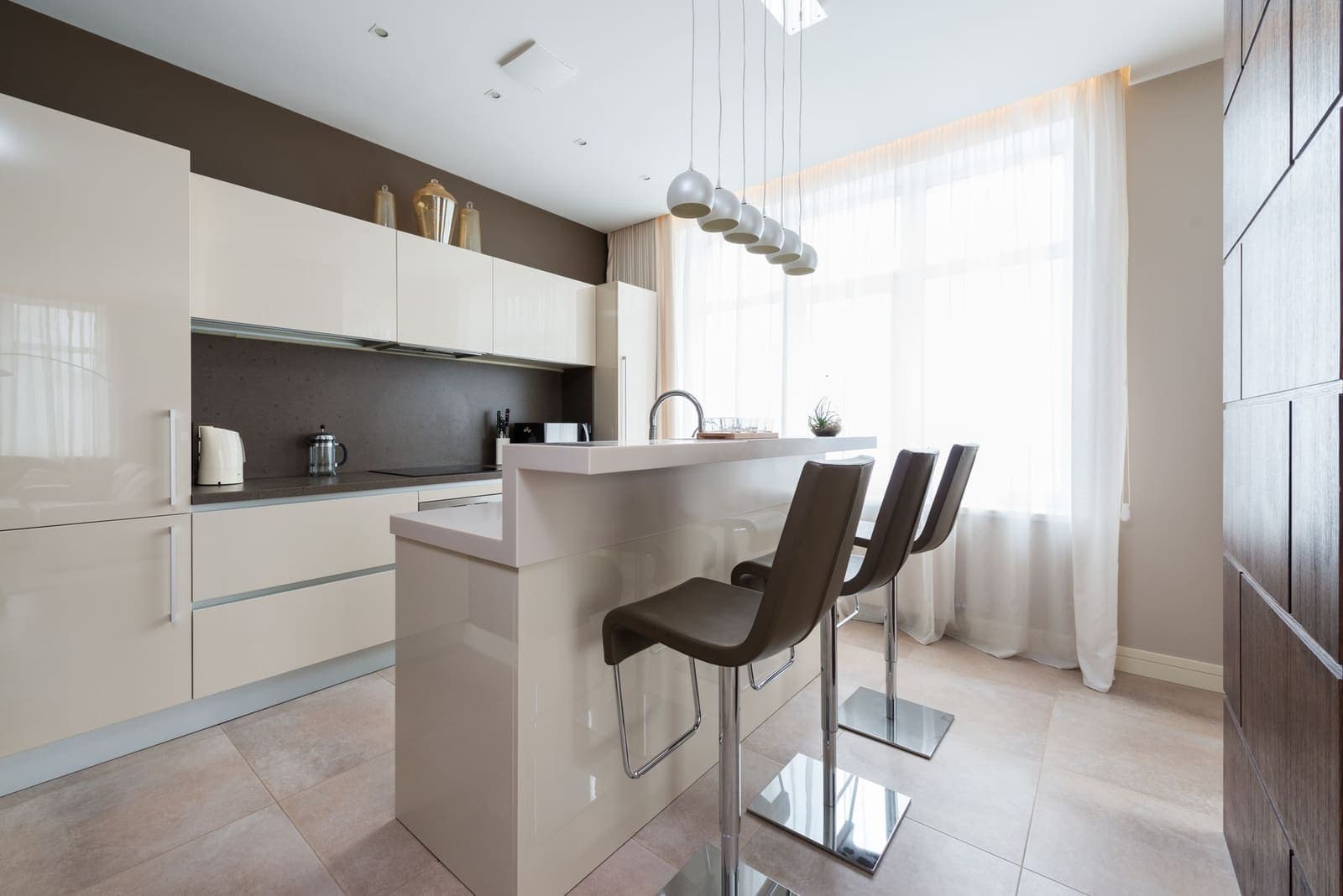 Yaheetech Adjustable Swivel Bar Stool Best if you are unsure of the height | When you do not know the right height yet |
Scroll the table sideways on a narrow screen. Prices are set by the retailer and change, so every price link opens the current listing rather than quoting a number here.
Measure first
Seat height is the whole decision
There is one number that matters and it is not the stool's height. It is the gap between the seat and the underside of the countertop, and the figure you want is 10 to 12 inches. Less than that and your thighs are pressed against the counter. More and you are reaching up to the surface with your shoulders raised, which is why some stools feel wrong without anyone being able to say why.
| Surface | Typical surface height | Seat height to buy |
|---|---|---|
| Dining table | 28 to 30 in | 17 to 19 in (a chair) |
| Kitchen counter or island | 34 to 36 in | 24 to 26 in - counter stool |
| Home bar top | 40 to 42 in | 29 to 31 in - bar stool |
| Tall or custom bar | 43 to 46 in | 33 to 36 in - extra-tall stool |
Measure from the floor to the top of the surface, then subtract 11. That is your target seat height, and anything within an inch of it is fine. Do it before you look at a single photograph, because the most common bar stool mistake is buying a 24-inch counter stool for a 42-inch bar top - a nine-inch error that no amount of cushion fixes.
Measure to the top of the surface, not to the underside of the overhang. Then check the overhang separately: a thick countertop with a deep apron can eat two inches of knee room even when the seat height is right.
How we picked
How we picked these
We do not run a test lab, and this is a selection rather than a durability test. We compared published specification, seat and frame construction, upholstery material, footrest provision and what owners consistently report after a year or two of use. In weighted order:
- Whether the right height exists. A stool sold in one height only is a gamble. A model offered in both counter and bar heights is a purchase you can get right.
- Footrest. At 29 inches and up, feet dangle. A footrest is not a styling detail at bar height, it is the difference between comfortable and not.
- Back or backless, and honestly which. A back buys sitting time. Backless buys floor area. These are not interchangeable and no stool does both.
- Upholstery you can wipe. A stool within reach of a shaker will get splashed. Fabric is a legitimate choice and it is a choice.
- Stability. Base footprint and weight. A light stool at bar height that rocks is a stool nobody uses twice.
Our full method, including what we deliberately do not claim, is on how we pick.
Buying guide
Back, backless or swivel
Three mutually exclusive decisions, and the room usually makes them for you.
| With a back | Backless | Swivel | |
|---|---|---|---|
| Sitting time | Hours | An hour | Hours |
| Tucks under counter | No | Fully | No, if it has arms |
| Visual weight in a room | High | Low | High |
| Best for | A real bar you sit at | Small rooms, occasional use | Talking across a room |
The honest reading of that table: if the bar is a destination in the room, buy stools with backs and accept that they stay visible. If the bar is a counter you also use for other things, buy backless and get the floor back. Trying to have both produces a stool that is uncomfortable and still in the way.
A swivel adds one real thing - the ability to turn and talk without standing up - and one real cost, which is that an armed swivel base never tucks in. Worth it at a bar where people face each other, less so at a kitchen island where they face the counter.
Buying guide
How many stools, and how far apart
Allow 26 to 30 inches of counter width per stool measured centre to centre. Below 26 and elbows collide; below 24 and the stools physically cannot be pulled out at the same time. So a six-foot bar top takes three stools comfortably, not four.
- 4 ft of counter: two stools.
- 6 ft: three stools.
- 8 ft: three or four, depending on whether the ends are usable.
And the thing nobody plans for: where the bartender stands. If you are making drinks on the same surface people are sitting at, one stool position needs to stay empty - or your mixing glass and your tins end up competing with somebody's elbow. Leaving 24 to 30 inches of clear working surface is what makes a home bar workable rather than decorative. How to stock a bar cart covers the same problem on a cart.
Buying guide
When stools are the wrong purchase
Two situations where the answer is not a stool.
The first is a bar cart with no fixed surface to sit at. A cart is a mobile service station, not a counter - it has no overhang, no knee clearance and no structural intention of taking someone's weight anywhere near it. Stools around a bar cart look like a bar and function like an obstacle. If the room has no counter, the upgrade is a surface, not seating: bar cart vs bar cabinet covers choosing one.
The second is a small room where the stools would live permanently in a walkway. Backless stools mitigate this and they do not solve it - a stool is 15 to 19 inches of floor whether anyone is on it or not. Bar cart ideas for small spaces covers the layouts that work when floor area is the binding constraint.
Before buying three stools, check the height twice: bar stool height guide works through the measurement and the common counter and bar dimensions in full.
The picks in full
Every pick, and who each one is for
01 · Best overall
Nathan James Gracie Upholstered Bar Stool
Nathan James · Mid tier
A backed, upholstered stool sold in both counter and bar seat heights - the one to buy if people are meant to stay rather than perch.
A back and a footrest are what separate a stool people sit on from a stool people lean against for ten minutes and then stand up from. The Gracie has both, and it is offered in roughly 24-inch counter and 29-inch bar seat heights, which means you can buy the right one rather than the one that was in stock. Upholstery near a bar is a stain risk and this is fabric rather than wipe-clean, which is the trade-off to accept knowingly.
The specs that decide it
- Seat heights:
- about 24 in counter and about 29 in bar
- Back:
- yes, curved
- Legs:
- brushed wood
- Footrest:
- built in
Who it is for
- A back is the difference between a twenty-minute stool and a two-hour stool
- Sold in both counter and bar heights, so you can match the surface you actually have
- A built-in footrest matters more than it sounds at 29 inches - feet need somewhere to go
Where it gives ground
- Upholstery near a bar is a stain risk, and this is fabric rather than wipe-clean
- Backed stools do not tuck fully under a counter, so they stay visible
Skip this one if the stools have to disappear when nobody is sitting on them. A backless saddle seat tucks away and this does not.
02 · Best for small rooms
Nathan James Arlo Backless Saddle Bar Stool
Nathan James · Entry tier
A backless faux-leather saddle seat at counter height, which is the stool that works when floor area matters more than lounging.
Backless, so it slides fully under a counter overhang and gives a small room its floor area back - which is the whole argument in an apartment. The saddle-shaped seat is what makes a backless stool tolerable; a flat disc at the same height is not. Faux leather wipes clean, which is the right material within splash range of a shaker. At about 27 inches it is counter height, so check your surface before ordering.
The specs that decide it
- Seat height:
- about 27 in, counter height
- Back:
- none, saddle seat
- Upholstery:
- faux leather, wipe clean
- Footrest:
- yes
Who it is for
- Backless means it tucks fully under an overhang, which gives a small room its floor back
- Faux leather wipes clean, which is the right call within splash range of a shaker
- A saddle-shaped seat is far more comfortable backless than a flat disc is
Where it gives ground
- No back means no long sits - this is a stool for an hour, not an evening
- 27 in is counter height, so it is wrong for a full-height bar top
Skip this one if your bar top is full bar height. Measure first; a counter stool at a bar counter is the most common seating mistake there is.
03 · Best if you are unsure of the height
Yaheetech Adjustable Swivel Bar Stool
Yaheetech · Mid tier
A gas-lift swivel with a back and armrests that adjusts across roughly 25 to 33 inches, which removes the one decision people get wrong.
A gas-lift swivel with a padded back and armrests, adjustable across roughly 25 to 33 inches, which removes the one decision people get wrong. The swivel is more useful than it sounds at a bar - it lets someone turn to talk without standing up and resetting their drink. Gas-lift stools creep down under weight over the years, which is the mechanism rather than a defect, and the armrests stop it tucking under a counter at all.
The specs that decide it
- Seat height:
- adjustable, roughly 25 to 33 in
- Back:
- yes, padded
- Swivel:
- 360 degrees
- Upholstery:
- PU leather, wipe clean
Who it is for
- Adjustable height covers counter, bar and most improvised surfaces from one purchase
- A swivel seat is what lets someone turn to talk without standing up and resetting
- PU leather wipes clean and does not hold a spill the way fabric does
Where it gives ground
- Gas-lift stools creep down under weight over the years - that is the mechanism, not a defect
- Armrests stop it tucking under a counter at all
Skip this one if you want furniture. An adjustable office-style base is a practical object and it looks like one.
Honest limits
What we could not verify
We have not sat on these three stools side by side or load-tested them, so comfort and long-term stability judgments rest on published construction details and consistent owner reports rather than on our own testing. Seat heights, materials and footrest details are as published by each maker and vary by configuration - confirm the exact height on the listing before you order. We quote no prices.
We do not run a test lab and we have not personally used every product here. Where a judgment rests on published specifications or on what owners report rather than on our own hands, we say so. Read the full method.
Questions
Related questions
- What height bar stool do I need for a 36 inch counter?
- A 24 to 26 inch seat height - a counter stool. The rule is 10 to 12 inches of clearance between the seat and the underside of the countertop, so measure to the top of the surface and subtract about 11.
- What is the difference between a counter stool and a bar stool?
- Seat height. Counter stools are roughly 24 to 26 inches and suit a 34 to 36 inch kitchen counter. Bar stools are roughly 29 to 31 inches and suit a 40 to 42 inch bar top. Buying the wrong one is a nine-inch error and the most common bar seating mistake there is.
- Do bar stools need a back?
- Only if people are meant to stay. A back is the difference between a twenty-minute stool and a two-hour stool. Backless stools buy you the floor area back because they tuck fully under a counter, which is usually the right trade in a small room.
- How many bar stools fit at a home bar?
- Allow 26 to 30 inches of counter per stool, measured centre to centre. A six-foot bar top takes three comfortably. Leave one position clear if you make drinks on the same surface, or your tools compete with somebody's elbow.
- Are swivel bar stools worth it?
- At a bar where people face each other, yes - turning to talk without standing up and resetting a drink is a real improvement. At a kitchen island where everyone faces the counter it adds little, and an armed swivel base will never tuck under the overhang.
Sources
Read next
Related reading
- Bar carts and bar storage
Carts, cabinets and the accessories that stop a bar cart turning into a sticky shelf.
- Bar stool height guide
Surface height minus eleven inches equals seat height - plus the two things that break the arithmetic.
- Best home bar cabinets
Enclosed capacity, serving surface and what doors actually protect - plus when a cart wins.
- Bar cart vs bar cabinet
Open display against doors: capacity, dust, sunlight and how the room is actually used.
- Bar cart ideas for small spaces
Five setups ranked by floor area needed, starting with the one that needs none.
- The home bar upgrade guide
Find your weak link by symptom rather than by category - and the two cases where gear is not the answer.