
Best jigger
Best Japanese jiggers
Why a narrow bore reads more accurately, which size pairing to buy, and the precision-stability trade-off.
Category
The measuring and stirring half of the bar. Start here if the same drink tastes different every time you make it.
We earn a commission if you buy through the links on this page, at no extra cost to you. It never changes which product we pick. How we are funded.
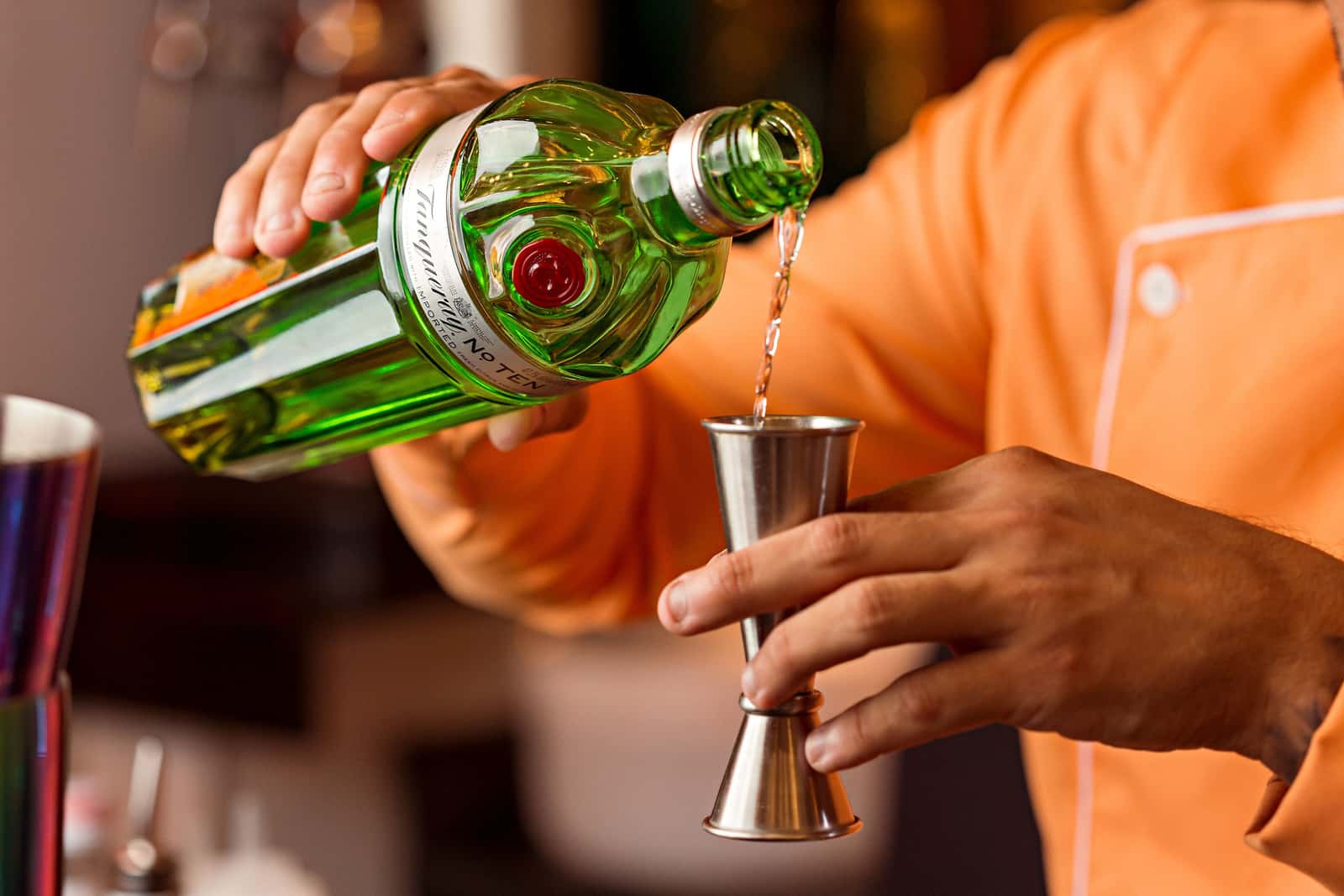
Top pick · Best jigger
Tall, narrow and internally marked, which is the combination that makes a half-ounce pour repeatable.
If the same Manhattan comes out sharp one night and syrupy the next, the variable is almost never the bottle. It is that a free-poured count drifts by a quarter ounce in either direction, and in a three-ingredient drink a quarter ounce is the difference between a balance and a mistake. Measuring is the single unglamorous habit that separates a drink you can repeat from a drink you got lucky with.
The tools here are cheap relative to everything else on this site and they do more for consistency than anything else you can buy. A jigger fixes the measurement. A weighted bar spoon fixes the stir. A heavy mixing glass fixes the vessel, which fixes the temperature curve, which fixes the dilution.
They also happen to be the tools that are easiest to buy badly. A stamped cone jigger with no interior markings tells you two volumes and lies about both. A spoon that is too short for your glass fences with the rim on every rotation. A thin-walled pint glass as a mixing vessel warms in your hand while you stir. None of those is expensive to fix.
Buying guides
Best jigger
Why a narrow bore reads more accurately, which size pairing to buy, and the precision-stability trade-off.

Best mixing glass
Capacity, mass, seam and spout compared - and why a pint glass is worse at every part of the job.
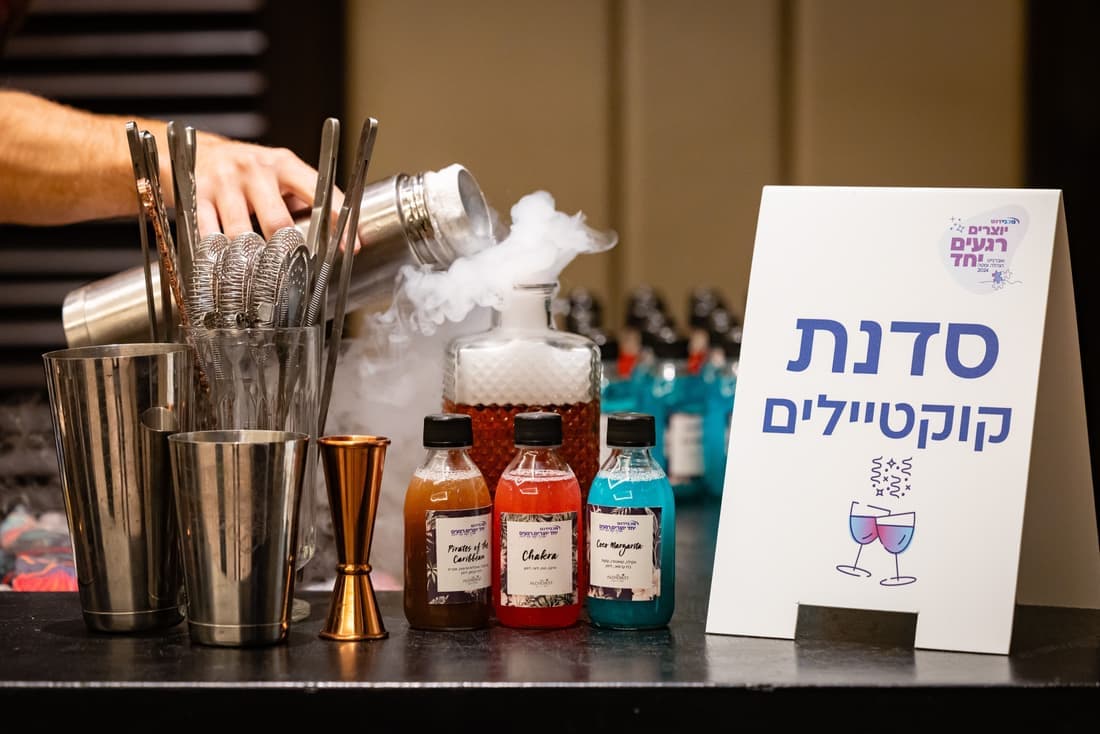
Best bar spoon
Length, twist and end weight compared - and why measuring your glass matters more than picking a brand.
Deciding between two
Head to head
Narrow against wide on accuracy, stability and speed - and the middle option that recovers both.
Head to head
Deco styling and stability against a narrow bore and interior lines, from the same maker.
Head to head
Which drinks to stir, which to shake, and what each method actually does to texture and clarity.
Technique and troubleshooting
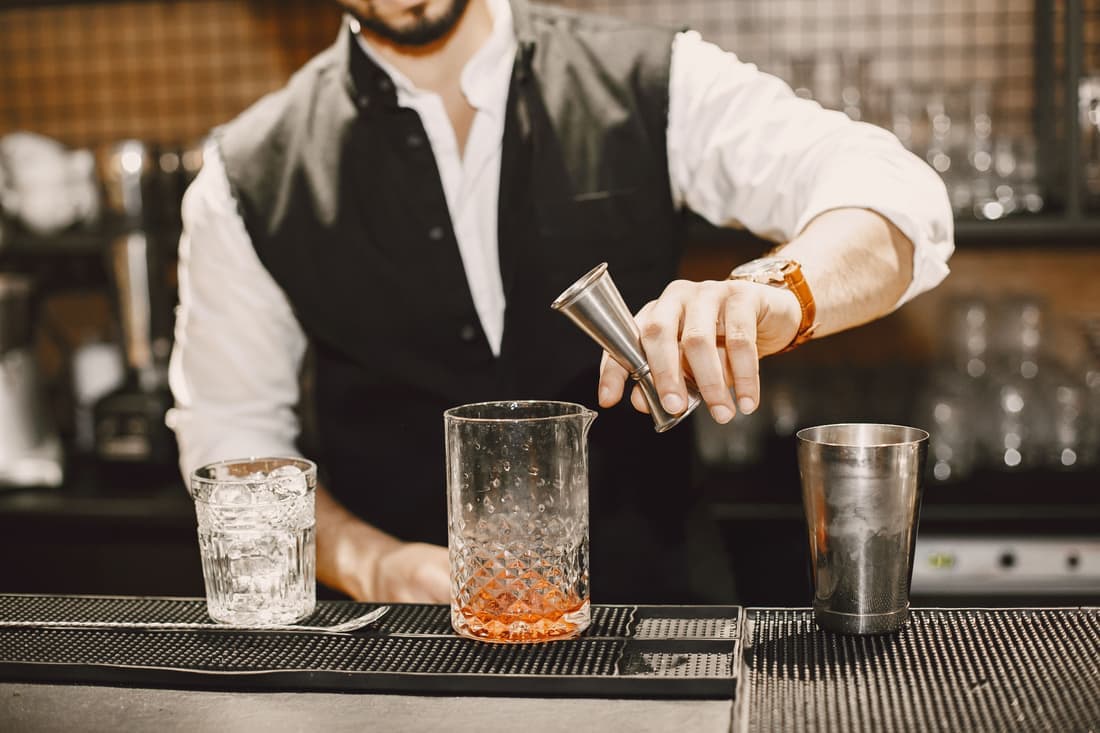
Guide
A full conversion table, what a shot actually measures, and which double-jigger pairing to buy.
Guide
Fill to the brim, hold it low, pour once - and the measuring order that means you rarely rinse.
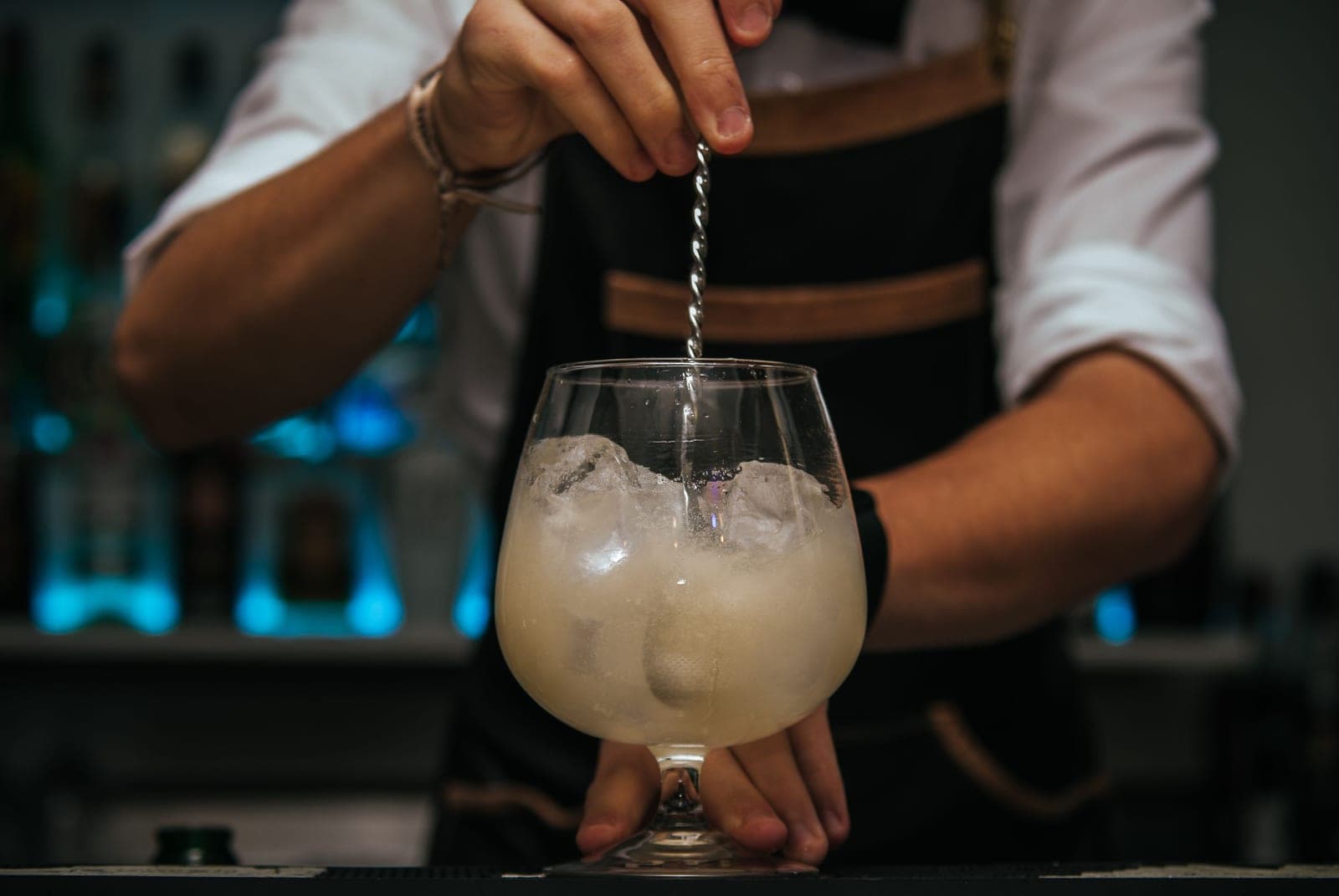
Guide
The finger grip that turns the spoon into a bearing, how long to stir, and why silence is the goal.
How to choose
For jiggers, the trade-off is precision against stability. A tall, narrow Japanese profile turns a given volume into a taller column of liquid, so a small error is visible before you pour it - that is why it is more accurate. A wider deco profile is harder to misread from above and far harder to knock over full. Japanese vs American jiggers works through it, and jigger sizes explained gives you the conversion table you actually want on the counter.
For spoons, length is the specification and the brand is a footnote. Measure your mixing glass, then buy a spoon that clears the rim by a couple of inches with the bowl on the base. A weighted teardrop end carries momentum through the rotation, which is most of what makes a stir feel smooth rather than jerky.
For mixing glasses, capacity is the decision. A 500ml glass handles one or two drinks comfortably; past that you are stirring twice. A 675ml seamless glass handles a round and stirs noticeably more quietly, because there is no mold seam for the ice to catch on. Both want a heavy base - mass is what stops the glass traveling across the counter while you work.
If you are choosing between stirring and shaking at all, mixing glass vs shaker covers which drinks belong in which, and why putting a spirit-only drink in a shaker is the fastest way to ruin its texture.
Elsewhere on the site