Guide
What size mixing glass do you need?
Five hundred millilitres for one or two drinks, six seventy-five for two or three. The size question is really a question about how many people you stir for at once.
By Michael W. · Published October 2026
The short answer
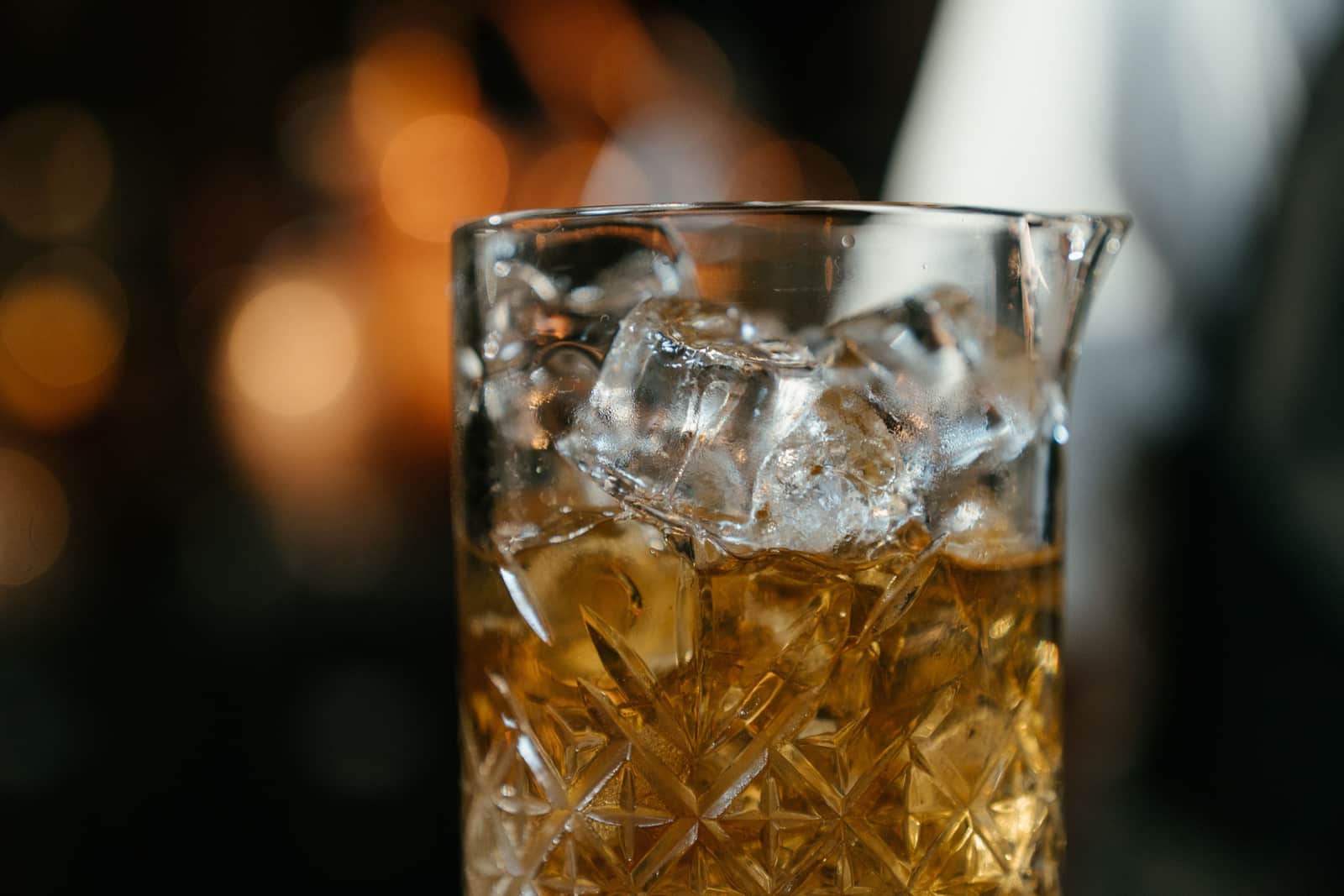
Buy a 500ml mixing glass - about 17 oz - if you make one or two stirred drinks at a time, which is what almost every home bar does. Step up to a 675ml glass, about 23 oz, only if you regularly stir for two or three people at once, because the extra volume is for ice rather than liquid: a correct stir fills the glass roughly two-thirds with ice and a 500ml glass stirring three Manhattans runs out of room for the ice before it runs out of room for the drink. Bigger is not automatically better. A half-empty large glass gives the ice too much room to move, so the drink gets agitated rather than stirred, and the heavy weighted base that makes a mixing glass stable is less useful when the glass is tall and under-filled.
We earn a commission if you buy through the links on this page, at no extra cost to you. It never changes which product we pick. How we are funded.
Quick picks
| # | Product | Best for | Price |
|---|---|---|---|
| 1 | Cocktail Kingdom Yarai Mixing Glass 500ml The default, and the one to buy | The default mixing glass | |
| 2 | 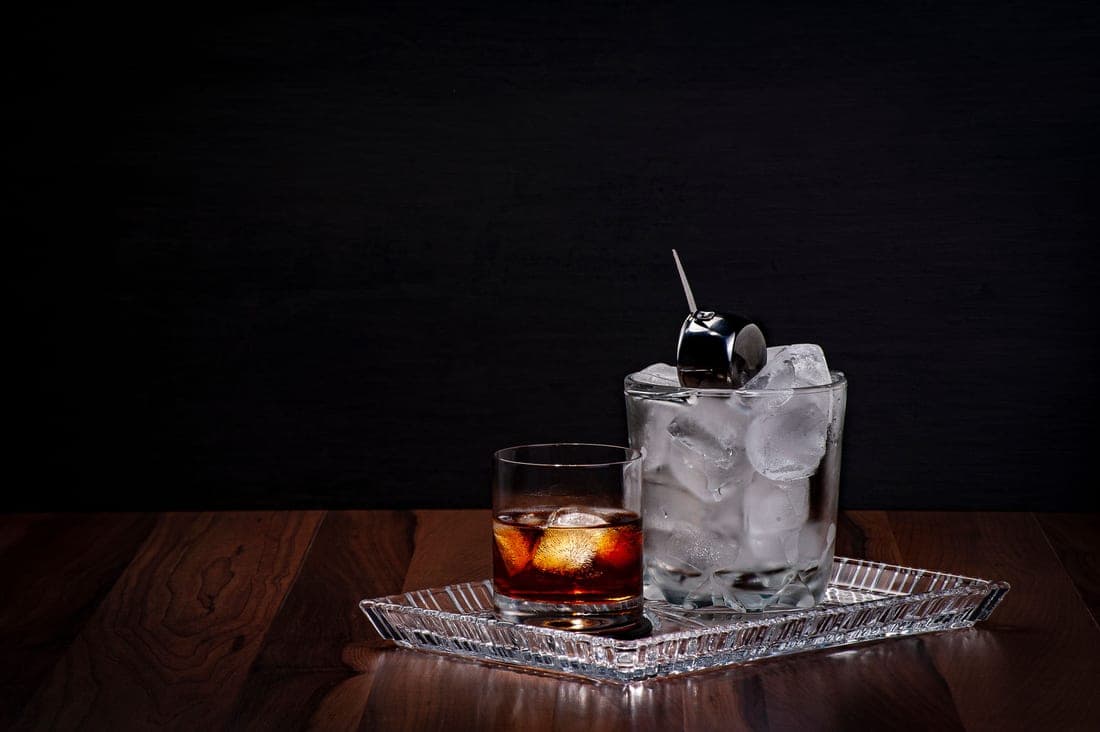 Cocktail Kingdom Yarai Seamless Mixing Glass 675ml If you stir for a table | Two or three at once |
Scroll the table sideways on a narrow screen. Prices are set by the retailer and change, so every price link opens the current listing rather than quoting a number here.
The sizes
What each capacity actually holds
Stated capacity is the volume to the rim, which is not the volume you use. A stirred drink wants the glass roughly two-thirds full of ice with the liquid coming up through it, and you need a couple of centimetres of freeboard so the spoon does not splash. Working volume is therefore well under the number on the box.
| Capacity | Drinks | Ice | Who it suits |
|---|---|---|---|
| About 400 ml / 13 oz | 1 | Small handful | Tight on ice - avoid as an only glass |
| 500 ml / 17 oz | 1 to 2 | About two-thirds full | The home bar default |
| 675 ml / 23 oz | 2 to 3 | About two-thirds full | Stirring for a table |
| 800 ml / 27 oz | 3 to 4 | Large ice load | Batching, or a kit inclusion |
| Over 800 ml | Batch work | Lots | Specialist - unwieldy to stir |
A Viski mixology kit, for example, ships a mixing glass in the 800ml class, which is generous for a single drink and genuinely useful if you batch. Best mixing glasses covers the field, and best bartender kits covers the kits that include one.
The mechanism
Why the size is about ice, not liquid
A Manhattan is 3 oz of liquid. A 500ml glass holds 17 oz. So why would anybody need more? Because the liquid is not what fills the glass - the ice is, and the ice has to be in a specific relationship with the liquid for the stir to work.
Stirring is heat exchange with minimal aeration. You want a lot of ice surface in contact with a small volume of liquid, moving slowly and steadily so no air gets folded in. That means the ice has to be packed enough to constrain its own movement - cubes gliding around a half-empty glass knock into each other and the walls, chip, and cloud the drink.
- Too small a glass for the drink count: not enough ice for the liquid volume, so the drink warms and over-dilutes before it is cold.
- The right glass: ice packed to about two-thirds, liquid rising through it, the spoon turning in a track against the wall.
- Too large a glass for the drink count: a shallow bed of ice in a wide space, agitation instead of stirring, and a cloudy drink.
That third case is why we do not simply recommend the largest glass. How to stir a cocktail covers the technique the sizing exists to serve.
Construction
What else to check besides capacity
- A heavy weighted base. The single most important feature. A light mixing glass walks across the bar as you stir and tips when you pull the spoon out. The weight is what makes one-handed stirring possible.
- Seamless versus seamed. A mold seam is a visible line and a stress concentration. On a larger glass that takes more spoon contact, seamless construction is worth the premium - the 675ml Yarai is hand blown for exactly this reason.
- The cut pattern. Yarai cut is the diamond pattern you see on most mixing glasses. It is grip as much as decoration: a wet smooth glass is slippery and a cut one is not.
- The pour spout. A good mixing glass has a defined lip that delivers a clean stream. Without one you get a dribble down the outside and a wet base.
- Rim diameter. It has to accept your julep or Hawthorne strainer at an angle. Check the pairing before you buy both - see hawthorne vs julep strainer.
The pairing
Glass, spoon and strainer are one purchase
A mixing glass on its own is a vase. To make a stirred drink you need three things that have to fit each other: the glass, a bar spoon long enough to reach its bottom with clearance, and a strainer that seats in its rim.
| Glass | Bar spoon | Strainer |
|---|---|---|
| 500 ml / 17 oz | 11 to 12 in | Julep, or a Hawthorne held at an angle |
| 675 ml / 23 oz | 13 to 16 in | Julep, or a Hawthorne |
| 800 ml / 27 oz | 15 to 16 in | Julep sized to the rim |
Bar spoon length guide covers the spoon side, and the julep strainer is the traditional partner for a mixing glass because it seats inside the rim at an angle and has large holes with no spring to clog.
The alternative
Do you need a mixing glass at all?
Honestly, no - not to make the drink. You can stir in a large shaking tin and the drink will be identical, because the physics does not care whether the vessel is transparent. A 28 oz tin is also better insulated than glass, which marginally slows dilution.
What a mixing glass gives you is the ability to see the stir: how the ice is packed, whether the liquid is clearing, how far the dilution has gone. That is a genuine learning tool and a genuine pleasure, and it is why a glass is worth owning even though a tin works. Mixing glass vs shaker covers which drinks belong in which vessel.
If you buy one mixing glass, buy 500ml. It is the size that matches one or two drinks, the size most spoons are built for, and the size that still works when you only want a single Manhattan at the end of a Tuesday.
The picks in full
Every pick, and who each one is for
01 · The default, and the one to buy
Cocktail Kingdom Yarai Mixing Glass 500ml
Cocktail Kingdom · Mid tier
The industry workhorse: heavy, cut, and sized for one or two drinks without a wall of leftover dilution.
500 ml or about 17 oz, Yarai cut pattern, heavy weighted base, rated at one to two drinks. The size that matches how a home bar actually works, and the glass most bars reach for when they are stirring a single drink properly.
The specs that decide it
- Capacity:
- 500 ml (about 17 oz)
- Capacity in drinks:
- 1 to 2
- Pattern:
- Yarai cut
- Base:
- heavy, weighted
Who it is for
- Mass is the point - a heavy glass does not travel across the counter while you stir
- The cut gives grip that a smooth beaker does not
- Spout pours clean, which sounds trivial until you use one that does not
Where it gives ground
- Glass, on a counter, near ice - it is a breakable in a wet environment
- 500 ml gets tight with two drinks and a full ice charge
Skip this one if you regularly build three or four stirred drinks at once. Step up to the 675 ml seamless.
02 · If you stir for a table
Cocktail Kingdom Yarai Seamless Mixing Glass 675ml
Cocktail Kingdom · The step up
Hand-blown, seamless and large enough for a round, with a noticeably quieter stir than a molded glass.
675 ml or about 23 oz, hand blown and seamless, rated at two to three drinks. The seamless construction matters at this size because a mold seam is a stress line, and a bigger glass takes more knocks from a bar spoon.
The specs that decide it
- Capacity:
- 675 ml (about 23 oz)
- Capacity in drinks:
- 2 to 3
- Construction:
- hand blown, seamless
- Pattern:
- Yarai cut
Who it is for
- Seamless walls are the reason the stir sounds smooth rather than rattly
- Enough volume to build a round without stirring twice
- The one piece of bar equipment guests reliably comment on
Where it gives ground
- Costs a real step up over the molded 500 ml
- Bigger glass means more ice per drink, so your mold has to keep up
Skip this one if you make one Manhattan at a time. You will be paying for headroom you never use.
Questions
Related questions
- What size mixing glass should I buy?
- 500 ml, about 17 oz, for one or two drinks at a time - which covers almost every home bar. Step up to 675 ml, about 23 oz, only if you regularly stir for two or three people at once. Larger than that is batch equipment.
- How many drinks does a 500ml mixing glass hold?
- One to two. The limit is ice rather than liquid: a proper stir fills the glass roughly two-thirds with ice, so the working volume is far less than the 17 oz stated capacity.
- Is a bigger mixing glass better?
- No. A half-empty large glass lets the ice move freely, which agitates the drink instead of stirring it and clouds the result. Match the glass to the number of drinks so the ice packs to about two-thirds in either case.
- How much ice goes in a mixing glass?
- About two-thirds full, with the liquid rising up through it. Packed ice constrains its own movement, which is what lets the spoon turn smoothly without cubes knocking against the walls and chipping.
- Can you use a shaker tin instead of a mixing glass?
- Yes, and the drink will be the same - a 28 oz tin is actually marginally better insulated. What you lose is the ability to watch the stir, which is the real argument for a glass. What you must not do is shake a drink that should be stirred.
Sources
Read next
Related reading
- Jiggers, bar spoons and mixing glasses
Jiggers, spoons and mixing glasses - the half of the bar that decides whether a drink is repeatable.
- Best mixing glasses
Capacity, mass, seam and spout compared - and why a pint glass is worse at every part of the job.
- Bar spoon length guide
Eleven to twelve inches for a 500ml glass, fifteen for a tall one - plus what a bar spoon is worth in oz and ml.
- How to stir a cocktail
The finger grip that turns the spoon into a bearing, how long to stir, and why silence is the goal.
- Mixing glass vs shaker
Which drinks to stir, which to shake, and what each method actually does to texture and clarity.
- Hawthorne vs julep strainer
Which strainer for shaken, which for stirred, why the spring is the product, and what double straining fixes.