Review
Yarai mixing glass review
The cut-glass beaker that became the default on every serious back bar. What the pattern is actually for, and which of the two sizes you should own.
By Michael W. · Published October 2026

The short answer
Buy the 500 ml Yarai mixing glass if you make one or two stirred drinks at a time, which is almost everybody. It is heavy enough to stay put while you stir, the Yarai diamond cut gives a wet hand something to hold, and the spout pours cleanly - which sounds trivial until you use a beaker that does not. Step up to the 675 ml seamless version only if you routinely build two or three drinks at once, or if the quieter stir of a hand-blown seamless wall matters to you; the molded 500 ml has a seam, and you can hear it. Both are glass on a wet counter near ice, so both will eventually break. Neither is a mixing glass problem: if your stirred drinks are not right, the ice is the first thing to change and the bar spoon is the second.
We earn a commission if you buy through the links on this page, at no extra cost to you. It never changes which product we pick. How we are funded.
Quick picks
| # | Product | Best for | Price |
|---|---|---|---|
| 1 | Cocktail Kingdom Yarai Mixing Glass 500ml The one to buy | The default mixing glass | |
| 2 | 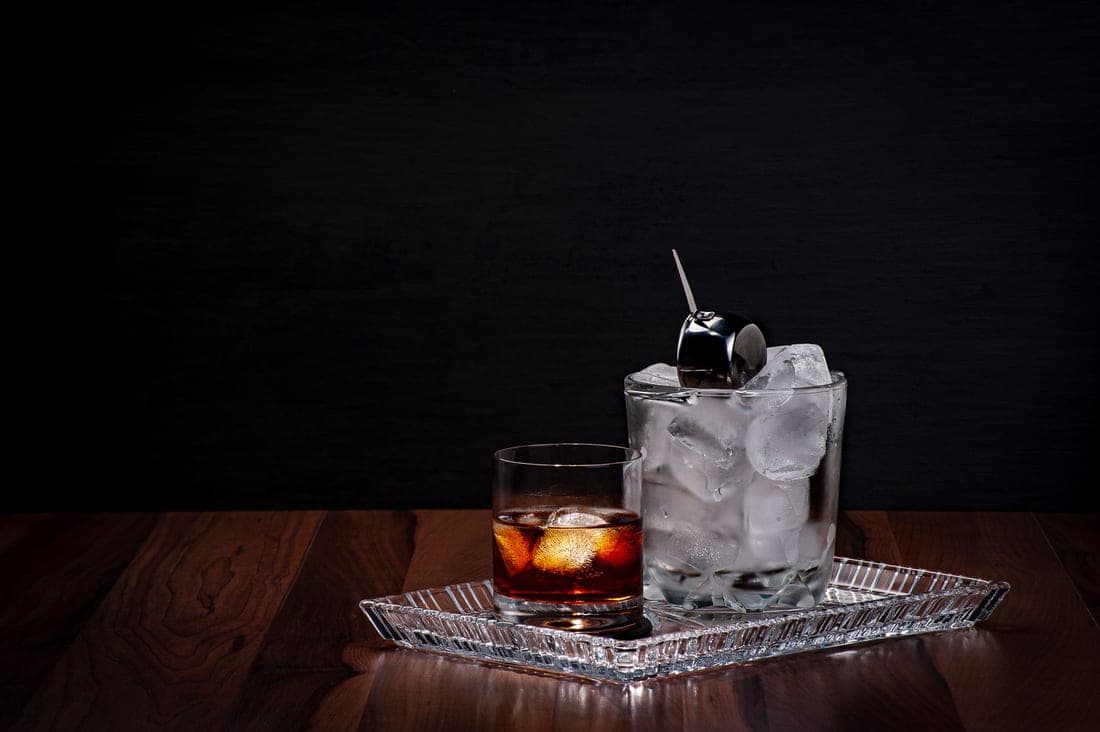 Cocktail Kingdom Yarai Seamless Mixing Glass 675ml If you build a round at once | Two or three at once | |
| 3 |  Cocktail Kingdom Hoffman Barspoon Buy it at the same time | Smooth stirring | |
| 4 |  True Cubes Clear Ice Cube Tray The upgrade that matters more | First clear-ice upgrade |
Scroll the table sideways on a narrow screen. Prices are set by the retailer and change, so every price link opens the current listing rather than quoting a number here.
Before anything else
This is a research-based review
We have not stirred a thousand drinks in both of these and logged the results. What follows comes from the published specification, from the geometry, and from what working bartenders and owners consistently report about each version. Where a judgment rests on one of those rather than on our hands, the sentence says so. How we pick sets out the method.
What it is
Yarai is a pattern, not a brand
This is the first thing worth clearing up, because it confuses every search for one. Yarai is a Japanese cut-glass pattern - a diamond or bamboo-lattice grid pressed or cut into the outside of the glass. It is not a manufacturer. Cocktail Kingdom's Yarai mixing glasses are the ones that made the pattern standard on Western back bars, which is why the pattern name and the product name have collapsed into each other, but several makers produce Yarai-patterned glasses.
Practically, that means two things. When you search for a Yarai mixing glass you will get a wide price range covering genuinely different objects, and the specification that matters is not the pattern but the capacity, the construction (molded or hand-blown seamless) and the weight of the base.
The pattern does do something, though, and it is not only decoration. A smooth glass beaker wet with condensation is slippery, and the cut gives your fingers purchase. It also hides the water marks and fingerprints that a plain glass shows constantly.
The two versions
500 ml molded against 675 ml seamless
| Yarai 500 ml | Yarai seamless 675 ml | |
|---|---|---|
| Capacity | 500 ml, about 17 oz | 675 ml, about 23 oz |
| Drinks per build | 1 to 2 | 2 to 3 |
| Construction | Molded, has a seam | Hand blown, seamless |
| Stir sound | Audible seam as the spoon passes | Smooth and quiet |
| Base | Heavy, weighted | Heavy, weighted |
| Price position | Mid | A real step up |
| Best for | Almost every home bar | Hosting, or if the stir matters to you |
The seam is the honest difference. On a molded glass the two halves of the mold leave a faint vertical ridge inside the wall, and when you stir, the back of the spoon bowl passes it twice per revolution. You can hear it and, once you know it is there, feel it. A hand-blown seamless glass has no ridge, so the stir is a continuous sound.
Whether that is worth a large price difference is a genuine judgment call rather than a technical one. It does not change the drink. It changes how stirring one feels, which for some people is most of the reason they stir drinks at home at all.
The capacity question
Why 500 ml is a one-or-two-drink glass
Five hundred milliliters sounds like plenty for a two-ounce drink, and the arithmetic surprises people. A Manhattan is about 3.5 oz of liquid, and a proper stir needs the glass filled with ice above the liquid line - typically two thirds to three quarters ice by volume. At that ratio a 17 oz glass holds one drink comfortably and two with the ice charge compromised.
That is why the 675 ml exists and why bars own both. Three stirred drinks at once needs roughly 10 oz of liquid plus an ice charge that actually covers it, and a 500 ml glass cannot do that without under-icing - which gives you a drink that is diluted before it is cold. What size mixing glass covers the capacity maths in full, and best mixing glasses places both against the alternatives.
If you want to make four stirred drinks, the better answer is usually to batch them in a bottle and keep it in the fridge rather than to buy a bigger beaker. Stirring four at once is a compromise however large the glass.
In use
The spout, the weight and the breakage
The spout
Cocktail Kingdom's Yarai glasses have a formed pouring lip, and a clean-pouring spout is one of those features you only notice when it is absent. A beaker with a rolled rim and no lip dribbles down the outside, which puts a wet ring on your counter and a drip on the rim of the glass you just chilled. This one does not.
The weight
The weighted base is the real functional feature. Stirring is a rotation applied to the contents, and the reaction is a rotation applied to the glass. A light beaker travels across the counter; a heavy one sits still and lets you stir with one hand. That is also why you can stir a Yarai without holding it, which is how you end up stirring with one hand and reaching for a glass with the other.
It will break eventually
This is the honest reservation about every glass mixing vessel. It is glass, it lives on a hard wet counter, and it gets hit by ice and by steel. Thermal shock is a real risk too: a glass full of ice, then hot water from the tap, is how most of them die. Rinse cool, hand wash, and expect to replace one eventually. A metal mixing vessel does not break, but it also does not let you watch the drink, which is half the appeal.
The verdict in detail
Who should buy which, and what to buy first
If you are buying your first mixing glass, buy the 500 ml. It is the size that matches how home bars are actually used, it is heavy enough and the cut does its job. If you host regularly and find yourself stirring in two batches, the 675 ml seamless solves a real problem and sounds better doing it.
But order of purchase matters more than either choice. A mixing glass is third in line behind two cheaper things: dense clear ice, and a long bar spoon that actually reaches the bottom. A stirred drink made with wet freezer-tray cubes and a teaspoon in a 675 ml hand-blown glass is worse than the same drink made with good ice and a Hoffman spoon in a jam jar. How to stir a cocktail covers the technique, bar spoon length guide covers the spoon, and best clear ice molds covers the ice.
The picks in full
Every pick, and who each one is for
01 · The one to buy
Cocktail Kingdom Yarai Mixing Glass 500ml
Cocktail Kingdom · Mid tier
The industry workhorse: heavy, cut, and sized for one or two drinks without a wall of leftover dilution.
500 ml, about 17 oz, molded with the Yarai diamond cut and a heavy weighted base. Sized for one or two drinks with a full ice charge, which is what a home bar actually makes.
The specs that decide it
- Capacity:
- 500 ml (about 17 oz)
- Capacity in drinks:
- 1 to 2
- Pattern:
- Yarai cut
- Base:
- heavy, weighted
Who it is for
- Mass is the point - a heavy glass does not travel across the counter while you stir
- The cut gives grip that a smooth beaker does not
- Spout pours clean, which sounds trivial until you use one that does not
Where it gives ground
- Glass, on a counter, near ice - it is a breakable in a wet environment
- 500 ml gets tight with two drinks and a full ice charge
Skip this one if you regularly build three or four stirred drinks at once. Step up to the 675 ml seamless.
02 · If you build a round at once
Cocktail Kingdom Yarai Seamless Mixing Glass 675ml
Cocktail Kingdom · The step up
Hand-blown, seamless and large enough for a round, with a noticeably quieter stir than a molded glass.
675 ml, about 23 oz, hand blown and seamless. Two to three drinks per build, and the seamless wall is the reason the stir sounds smooth rather than rattly. A real step up in price.
The specs that decide it
- Capacity:
- 675 ml (about 23 oz)
- Capacity in drinks:
- 2 to 3
- Construction:
- hand blown, seamless
- Pattern:
- Yarai cut
Who it is for
- Seamless walls are the reason the stir sounds smooth rather than rattly
- Enough volume to build a round without stirring twice
- The one piece of bar equipment guests reliably comment on
Where it gives ground
- Costs a real step up over the molded 500 ml
- Bigger glass means more ice per drink, so your mold has to keep up
Skip this one if you make one Manhattan at a time. You will be paying for headroom you never use.
03 · Buy it at the same time
Cocktail Kingdom Hoffman Barspoon
Cocktail Kingdom · Mid tier
The teardrop counterweight is the whole argument: it carries momentum and irons the jerk out of your stir.
A mixing glass without a proper bar spoon is half a tool. A long twisted-shaft spoon with a weighted end lets the back of the bowl ride the glass wall, which is what makes a stir quiet and smooth.
The specs that decide it
- End:
- teardrop counterweight
- Shaft:
- twisted
- Lengths:
- multiple, choose to match your mixing glass
- Material:
- stainless steel
Who it is for
- Momentum from the weighted end smooths the rotation, which is what makes a quiet stir possible
- Twisted shaft lets the spoon spin between your fingers rather than in your fist
- The teardrop doubles as a passable muddle for a sugar cube
Where it gives ground
- Too long for a short mixing glass and it will fence with the rim
- The weighted end makes it top-heavy if you try to use it as a measuring spoon
Skip this one if your mixing glass is short. Match spoon length to glass height first, brand second.
04 · The upgrade that matters more
True Cubes Clear Ice Cube Tray
True Cubes · Entry tier
The cheapest honest route to genuinely clear 2-inch cubes, and the one most people should buy first.
Four dense clear 2-inch cubes per cycle. Dense, dry ice is what makes a stirred drink cold before it is diluted, and it changes the glass far more than the beaker does.
The specs that decide it
- Output:
- 4 cubes per cycle
- Cube size:
- roughly 2 in
- Method:
- insulated directional freezing
- Freezer time:
- about 18 to 24 hours
Who it is for
- Directional freezing done properly in an insulated shell, so the cloud collects in the sacrificial base
- Fits a standard freezer shelf without rearranging everything
- Nothing to plug in, nothing to service
Where it gives ground
- One cycle a day, so four cubes is your ceiling unless you buy two
- The base block has to be discarded or crushed each cycle
Skip this one if you routinely host more than two people, or you want ice on demand rather than ice you planned for yesterday.
Honest limits
What we could not verify
Capacities here are Cocktail Kingdom's published figures; we have not measured either glass or run a controlled comparison of stir feel between molded and seamless walls. The seam effect is consistently reported by owners and bartenders rather than quantified by us. Several makers sell Yarai-patterned mixing glasses at very different specifications, so confirm capacity and construction on the specific listing before buying.
We do not run a test lab and we have not personally used every product here. Where a judgment rests on published specifications or on what owners report rather than on our own hands, we say so. Read the full method.
Questions
Related questions
- What is a Yarai mixing glass?
- Yarai is a Japanese cut-glass pattern - a diamond lattice pressed or cut into the outside of the glass - rather than a brand. Cocktail Kingdom's Yarai mixing glasses made the pattern standard on Western back bars, and the cut gives a wet hand purchase while hiding water marks.
- What size Yarai mixing glass should I buy?
- The 500 ml, about 17 oz, for almost every home bar. It takes one stirred drink comfortably and two with the ice charge compromised. Step up to the 675 ml seamless only if you routinely build two or three drinks at once.
- Is the seamless Yarai worth the extra?
- It does not change the drink. What it changes is the stir: a molded glass has a faint vertical mold seam that the back of the spoon passes twice per revolution, and you can hear it. The hand-blown seamless version has no ridge, so the stir is continuous and quiet. Whether that is worth the difference is a taste judgment.
- How many drinks does a 500 ml mixing glass make?
- One comfortably, two if you accept less ice. A stirred drink is around 3.5 oz of liquid, and a proper stir needs ice filling two thirds to three quarters of the glass above the liquid line, so 17 oz runs out faster than the arithmetic suggests.
- Do you need a mixing glass, or will a shaker tin do?
- A tin stirs perfectly well and it does not break. What you lose is the ability to see the drink, the dilution and the ice, which is most of why people stir in glass. Buy a mixing glass for the pleasure of it, not because a tin cannot do the job.
Read next
Related reading
- Jiggers, bar spoons and mixing glasses
Jiggers, spoons and mixing glasses - the half of the bar that decides whether a drink is repeatable.
- Best mixing glasses
Capacity, mass, seam and spout compared - and why a pint glass is worse at every part of the job.
- What size mixing glass do you need?
Five hundred milliliters for one or two drinks - and why the capacity question is really about ice.
- How to stir a cocktail
The finger grip that turns the spoon into a bearing, how long to stir, and why silence is the goal.
- Bar spoon length guide
Eleven to twelve inches for a 500ml glass, fifteen for a tall one - plus what a bar spoon is worth in oz and ml.
- Jigger vs free pouring
Free pouring is a count against a calibrated spout - which is exactly what a home bar does not have.