Guide
The home bar upgrade guide
Organized by what is actually annoying you rather than by product category. Find the symptom, get the diagnosis, and see whether gear is even the answer.
By Michael W. · Published September 2026

The short answer
Almost every home bar has one weak link, and fixing it changes more than upgrading three things that were already fine. Work out which symptom you actually recognize - the ice melting, the tins sticking, the pours drifting, the stirred drinks coming out cloudy, the glass being wrong, the bottles living on a kitchen counter - and fix that. In roughly that order, because that is the order in which they affect the drink.
We earn a commission if you buy through the links on this page, at no extra cost to you. It never changes which product we pick. How we are funded.
Quick picks
| # | Product | Best for | Price |
|---|---|---|---|
| 1 | 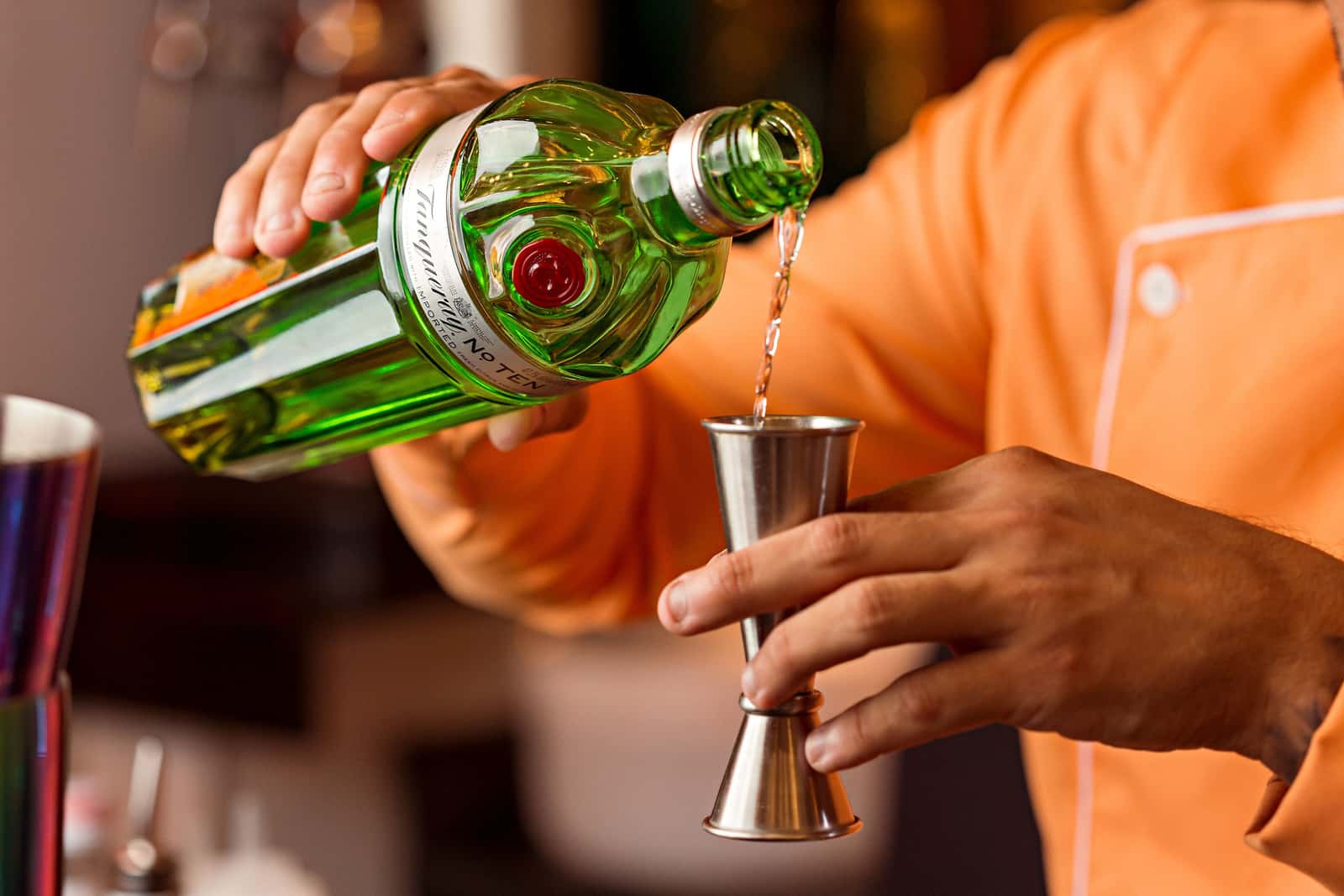 Cocktail Kingdom Japanese Style Jigger Fix first if drinks are inconsistent | Accuracy | |
| 2 | 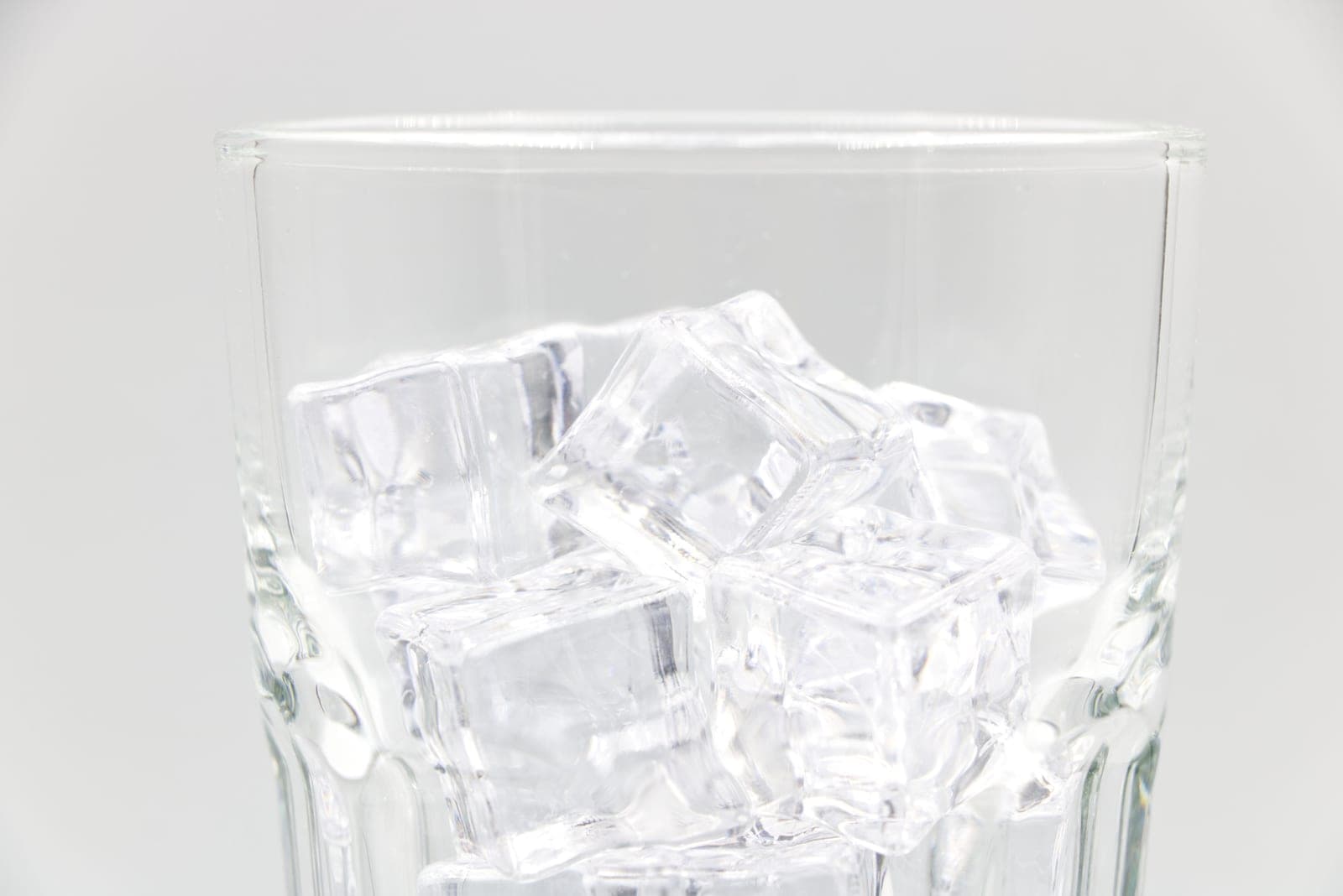 True Cubes Clear Ice Cube Tray Fix first if the ice melts too fast | First clear-ice upgrade | |
| 3 | 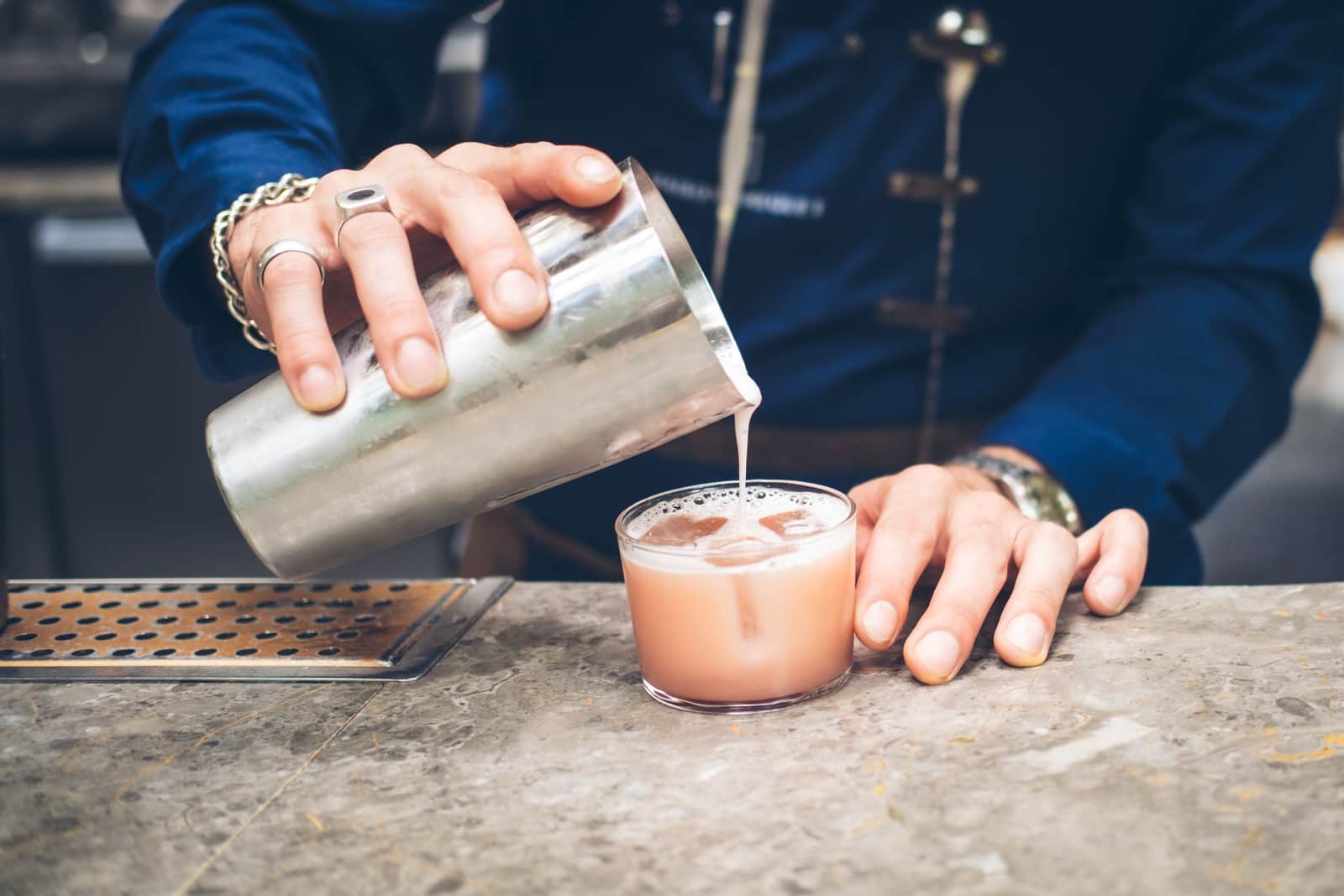 Cocktail Kingdom Koriko Weighted Shaking Tins Fix first if the shaker fights you | The default upgrade | |
| 4 |  Cocktail Kingdom Yarai Mixing Glass 500ml Fix first if stirred drinks are cloudy | The default mixing glass | |
| 5 |  Libbey Signature Kentfield Rocks Glasses Fix first if the glass is wrong | Everyday rocks glass | |
| 6 |  Nathan James Carter Rolling Bar Cart Fix first if there is no station | Most home bars |
Scroll the table sideways on a narrow screen. Prices are set by the retailer and change, so every price link opens the current listing rather than quoting a number here.
The premise
Why upgrade by symptom rather than by category
Most gear advice is organized by what it sells: shakers here, glassware there, ice over there. That is a useful way to arrange a shop and a terrible way to decide what to buy, because it invites you to upgrade the category you find interesting rather than the one that is letting you down.
A home bar usually has one weak link. Everything else is adequate, and the weak link is the reason drinks are not as good as they could be. Replacing something that was already fine produces almost no improvement and quite a lot of satisfaction, which is why people do it.
So this page is organized by complaint. Find the one you actually recognize, read the diagnosis, and note that in two of the seven cases the honest answer is that gear does not fix it.
Diagnosis one
Your ice melts before you finish the drink
What is actually happening: freezer-tray ice is small, cloudy and full of trapped air. Small pieces have enormous surface area relative to their mass, so they exchange heat fast in both directions - they chill quickly, and then they keep giving up water. The trapped air makes it worse: every bubble is a void, and voids open into cracks as the ice warms, turning one piece into several with even more surface.
Why it matters most: ice is the largest single ingredient in most drinks by volume, and it is the one almost nobody buys deliberately. A spirit-forward drink is built around a specific amount of dilution, and fast-melting ice blows straight past it by the third sip.
The fix: one large, dense, clear piece. Directional freezing in an insulated mold produces it in a freezer you already own, at a cost that makes the experiment low-risk. Start with best clear ice molds, or read how to make clear ice and try the free cooler method first.
The trap: buying a nugget ice machine. Nugget ice is genuinely excellent in a highball and actively wrong in an old fashioned, for exactly the surface-area reason above. Clear ice vs nugget ice before you spend.
Diagnosis two
Your tins stick shut, or leak down your wrist
What is actually happening: these are two different problems with the same apparent cause. Sticking is the seal working - cold air inside contracts, pressure drops, and atmospheric pressure clamps the halves together. Leaking is the seal failing, because the small tin was seated straight in rather than at an angle, or because the pair was never machined to fit each other.
Why it matters: less than the ice, honestly, because a sticking shaker is an irritation rather than a defect in the drink. But it is the most visible daily annoyance in most home bars and it is why some people stop making shaken drinks.
The fix, if it sticks: a technique, not a purchase. One firm palm strike on the large tin at the widest point of the join. Why shaker tins stick and leak covers it, and it costs nothing.
The fix, if it leaks unpredictably: a matched pair. In a cheap boxed set the two halves were not cut to seal against each other, and no technique makes a coincidence consistent. Best weighted shaking tins.
Diagnosis three
The same drink tastes different every time
What is actually happening: you are free-pouring, and a free-poured count drifts by about a quarter ounce in either direction even with practice. In a three-ingredient drink that is the entire difference between balance and a mistake, and it explains why a recipe that was excellent on Friday is somehow sweet on Saturday.
Why it matters: because it is the thing standing between making a good drink and being able to make it again. Everything else on this page improves a drink; this one makes the improvement repeatable.
The fix: a jigger with interior lines, which is the cheapest tool in this hobby. A narrow Japanese profile makes a small error visible as a height difference while you can still correct it. Best Japanese jiggers, and how to use a jigger for the technique that makes it accurate.
Test it for free first: measure your next six drinks with a marked kitchen measuring spoon. If they improve, buy the jigger. They will.
Diagnosis four
Your stirred drinks come out cloudy or watery
What is actually happening: usually three things at once. Small cloudy cubes shed fines into the drink. A churning spoon motion chips the ice further. And a light, tapered vessel - a pint glass, typically - lets the ice tumble rather than rotate, which does both of those things faster while your hand warms it.
Why it matters: clarity and density are most of what makes a stirred drink feel like a stirred drink. A cloudy, thin Manhattan is not a disaster and it is measurably not the drink.
The fix, free: technique. Keep the bowl of the spoon traveling around the wall of the glass rather than churning the middle, and hold the spoon between two fingers and a thumb so the shaft rotates. How to stir a cocktail.
The fix, paid: a heavy straight-walled mixing glass and large clear ice. Best mixing glasses, and this is the one place your good ice genuinely earns its keep - in a shaker it gets strained out.
Diagnosis five
Drinks go warm fast, or the glass feels wrong
What is actually happening: a drink served up has no ice to hold its temperature, so how long it stays cold depends almost entirely on how much surface the glass presents to the room. A wide shallow coupe warms fast. A V-shaped martini glass warms faster and spills. And a large ice cube in a glass too small for it leaves no room for the drink.
Why it matters: less than any of the four above. Glassware is real and it is the least transformative thing on this list, which is why it comes fifth rather than first.
The fix: three shapes cover almost everything. A 12oz rocks glass for anything over ice, a small bell-shaped Nick and Nora for stirred drinks served up, and a 9oz coupe for shaken drinks with foam. Cocktail glassware types has the full table, and best rocks glasses is where to start.
Free first: chill the glass. Ten minutes in the freezer, or filled with ice and water while you build. It costs nothing and it is the single biggest improvement available to any drink served up.
Diagnosis six
You want the smoked-old-fashioned thing at home
What is actually happening: nothing is wrong. This is an addition rather than a fix, and it is the one item on this page that is about wanting something rather than solving something.
What to know first: there are two tools wearing one name. A smoke lid burns chips on top of the glass with a torch - fast, watchable, thirty seconds. A smoking gun generates cold smoke away from the drink and pipes it in - more control, no heat, and it can smoke a decanter or a plate of food. Smoke top vs smoking gun.
The fix: for most people, a lid kit with four woods. Best cocktail smokers, and how to smoke an old fashioned for the sequence.
The trap: over-smoking. It is the standard first mistake, it is not recoverable, and it is why some people conclude they dislike smoked cocktails after one bad one. Thirty seconds, not ninety.
Diagnosis seven
Your bottles live on a kitchen counter
What is actually happening: the bottles are in one place, the tools are in a drawer somewhere else, the glasses are in a cupboard, and the ice is in a freezer on the other side of the room. Each of those is a trip, and four trips is enough friction to stop you making a drink on a weeknight.
Why it matters: this is the only diagnosis on this page that affects how often you make drinks rather than how good they are. For some people that is the most valuable fix here.
The fix: a station. A cart is the obvious version, and it works because everything ends up within arm's reach - best bar carts. A cabinet does the same with doors, which suits a bright room or a larger collection: bar cart vs bar cabinet.
The free version: a tray on a surface you already have, with the four bottles you actually use and the tools beside them. It takes no floor area and it achieves most of the same thing. Bar cart ideas for small spaces.
The order
If you want to fix everything, this is the sequence
| Order | Fix | Why here |
|---|---|---|
| 1 | A jigger | Cheapest item, biggest effect on repeatability |
| 2 | Clear ice | Largest ingredient by volume; changes the drink most |
| 3 | A matched pair of tins and a Hawthorne | Removes the daily irritation, improves texture |
| 4 | A bar spoon and a mixing glass | Opens the stirred category properly |
| 5 | Three glass shapes, four of each | Real, and less transformative than 1 to 4 |
| 6 | A station - cart, cabinet or tray | Changes how often you make drinks at all |
| 7 | A smoker, if you want one | An addition, not a fix |
That is a complete home bar in seven purchases, and the first two cost very little between them. Home bar essentials checklist is the item-by-item version, and best barware sets covers doing several at once.
The honest part
Two things on this page that gear does not fix
Flat Manhattans. If your Manhattan tastes dull and you have good whiskey, the problem is almost certainly the vermouth. An opened bottle kept at room temperature oxidizes within weeks, and a bar cart is exactly the wrong place for it. Refrigerate it, buy the smaller bottle, and no tool on this site will help more than that.
Drinks that are too sweet or too sharp. That is the recipe and your palate, not the equipment. A jigger makes it repeatable; it does not make it right. Adjust the syrup by a quarter ounce at a time and write down what worked.
Saying so costs us clicks on the shopping pages, which is exactly why it is here. Our full approach is on how we pick.
The picks in full
Every pick, and who each one is for
01 · Fix first if drinks are inconsistent
Cocktail Kingdom Japanese Style Jigger
Cocktail Kingdom · Mid tier
Tall, narrow and internally marked, which is the combination that makes a half-ounce pour repeatable.
The cheapest tool on the site and the one with the largest effect on whether a drink comes out the same way twice. Free-pouring drifts by a quarter ounce in either direction, and in a three-ingredient drink that is the whole balance.
The specs that decide it
- Sizes:
- 1 oz / 2 oz
- Profile:
- tall and narrow
- Markings:
- interior lines for fractional pours
- Material:
- stainless steel
Who it is for
- A narrow cone makes a given volume a taller column, so a small error is visible before you pour it
- Interior lines mean you are not guessing at three quarters of an ounce
- Balanced enough to hold one-handed while the other hand pours
Where it gives ground
- Tall profile tips more easily on a crowded counter
- No handle, so it gets cold and slippery when you work fast
Skip this one if you free-pour by count and are happy with the results. This tool exists to fix a problem you do not have.
02 · Fix first if the ice melts too fast
True Cubes Clear Ice Cube Tray
True Cubes · Entry tier
The cheapest honest route to genuinely clear 2-inch cubes, and the one most people should buy first.
Four clear 2-inch cubes per cycle from a tray in the freezer you already own. Ice is the largest single ingredient in most drinks and the one almost nobody buys deliberately.
The specs that decide it
- Output:
- 4 cubes per cycle
- Cube size:
- roughly 2 in
- Method:
- insulated directional freezing
- Freezer time:
- about 18 to 24 hours
Who it is for
- Directional freezing done properly in an insulated shell, so the cloud collects in the sacrificial base
- Fits a standard freezer shelf without rearranging everything
- Nothing to plug in, nothing to service
Where it gives ground
- One cycle a day, so four cubes is your ceiling unless you buy two
- The base block has to be discarded or crushed each cycle
Skip this one if you routinely host more than two people, or you want ice on demand rather than ice you planned for yesterday.
03 · Fix first if the shaker fights you
Cocktail Kingdom Koriko Weighted Shaking Tins
Cocktail Kingdom · Mid tier
The tins most working bartenders reach for, and the shortest path out of a shaker that sticks.
A machined pair that seals with a tap and breaks with a palm strike. If your current shaker sticks shut or leaks down your wrist, this is the single most obvious day-one upgrade in this hobby.
The specs that decide it
- Set:
- 18 oz and 28 oz
- Capacity:
- about 2 drinks
- Base:
- weighted
- Material:
- stainless steel
Who it is for
- The taper is cut so the pair seals with a tap and breaks with a palm strike, every time
- Weighted bases keep an empty tin from skating across the counter
- Cheap enough to own two pairs, which is how you actually make four drinks
Where it gives ground
- The seal is tight by design and feels alarming for the first week
- Bare steel shows fingerprints immediately
Skip this one if you want a one-piece shaker you can hand to a guest. Tins are a two-handed tool and they reward practice.
04 · Fix first if stirred drinks are cloudy
Cocktail Kingdom Yarai Mixing Glass 500ml
Cocktail Kingdom · Mid tier
The industry workhorse: heavy, cut, and sized for one or two drinks without a wall of leftover dilution.
Heavy, straight-walled and sized so the ice rotates as a column instead of tumbling. A pint glass works and is worse at every part of the job.
The specs that decide it
- Capacity:
- 500 ml (about 17 oz)
- Capacity in drinks:
- 1 to 2
- Pattern:
- Yarai cut
- Base:
- heavy, weighted
Who it is for
- Mass is the point - a heavy glass does not travel across the counter while you stir
- The cut gives grip that a smooth beaker does not
- Spout pours clean, which sounds trivial until you use one that does not
Where it gives ground
- Glass, on a counter, near ice - it is a breakable in a wet environment
- 500 ml gets tight with two drinks and a full ice charge
Skip this one if you regularly build three or four stirred drinks at once. Step up to the 675 ml seamless.
05 · Fix first if the glass is wrong
Libbey Signature Kentfield Rocks Glasses
Libbey · Entry tier
Thin-walled, laser-cut rim, US-made and cheap enough to own eight - the sensible default rocks glass.
12oz, which takes a 2-inch cube with room for a double pour. Big ice in a glass too small for it is a common and entirely avoidable disappointment.
The specs that decide it
- Capacity:
- 12 oz (also sold 9 oz)
- Glass:
- Libbey ClearFire composition
- Rim:
- laser cut, chip resistant
- Sets:
- 4 and 8
Who it is for
- 12 oz is the size that actually fits a 2-inch cube with room for the pour
- Laser-cut rim survives a dishwasher far better than a rolled rim
- Cheap enough that breaking one is an annoyance, not an event
Where it gives ground
- Thin walls warm a neat pour faster than heavy crystal
- Plain enough to be forgettable next to a cut glass
Skip this one if your rocks glass is the centerpiece of the drink. A heavier cut or crystal glass reads better in the hand.
06 · Fix first if there is no station
Nathan James Carter Rolling Bar Cart
Nathan James · Mid tier
A railed glass top, a bottom shelf that holds a real bottle load, and a price that does not ask you to commit.
The reason a cart improves your drinks has nothing to do with how it looks - it is that having bottles, tools and a surface in one place removes the four trips that stop you making a drink on a Tuesday.
The specs that decide it
- Tiers:
- 2
- Top:
- railed, glass
- Bottom shelf:
- holds around 10 bottles
- Mobility:
- casters
Who it is for
- The top rail is the feature people underrate - it is what stops a glass walking off while you roll
- Bottom shelf carries a genuine bottle load rather than four for the photo
- Assembles in an evening with the supplied hardware
Where it gives ground
- Glass top shows every ring, so you will want a coaster habit
- Casters on deep carpet are hard work
Skip this one if your bottles need to be out of sight or out of reach. A cart is an open, rolling display by design.
Questions
Related questions
- What should I upgrade first in my home bar?
- A jigger, then your ice. The jigger is the cheapest tool available and it decides whether a drink comes out the same way twice; ice is the largest ingredient by volume and the one almost nobody buys deliberately.
- Is expensive barware worth it?
- Past a fairly low threshold, more money buys finish rather than function. A plain pair of weighted tins performs like a bar's because it is what a bar buys. The exceptions are ice and glassware, where the specification genuinely changes the drink.
- Why do my cocktails taste different every time?
- Free-pouring. A poured count drifts by about a quarter ounce even with practice, which in a three-ingredient drink is the whole balance. Measure with a jigger for six drinks and see.
- What is the most overrated piece of bar equipment?
- Bottle pourers, closely followed by twelve-piece boxed sets. Pourers oxidize open bottles faster and encourage the free-pouring a jigger exists to fix; the piece count on a boxed set is marketing.
- Do I need a smoker for my home bar?
- No - it is an addition rather than a fix, and it suits a narrow set of drinks. If you want smoked old fashioneds, a lid kit does the job for very little. Everything else on this page changes your drinks more.
Read next
Related reading
- Clear ice for the home bar
Molds, machines and presses that make ice dense enough to chill a drink without watering it down.
- Shakers and strainers
Weighted tins, cobblers and strainers, ranked on the thing that actually matters: whether the seal behaves.
- Jiggers, bar spoons and mixing glasses
Jiggers, spoons and mixing glasses - the half of the bar that decides whether a drink is repeatable.
- Coupes, rocks glasses and the rest
Rocks glasses, coupes and Nick and Noras - the vessel decides temperature, aroma and carry.
- Cocktail smokers
Smoke lids, handheld guns and smoking boxes, ranked on smoke control rather than on theater alone.
- Bar carts and bar storage
Carts, cabinets and the accessories that stop a bar cart turning into a sticky shelf.
- Best barware sets
What good sets contain, what every set leaves out, and when buying separately wins.
- Home bar essentials checklist
Five tools, three glass shapes, one ice solution, six bottles - and the order worth buying them in.
- Best clear ice molds
Insulated molds compared on yield, piece size and the freezer footprint they actually demand.
- Best weighted shaking tins
Two-piece tins compared on seal behavior, capacity pairing, balance and edge finish.
- Best Japanese jiggers
Why a narrow bore reads more accurately, which size pairing to buy, and the precision-stability trade-off.
- Best rocks glasses
Capacity, rim and wall thickness compared - starting with whether your ice actually fits.