Head to head
Bar cart vs bar cabinet
One is a rolling display, the other closes. This is an argument about what your room is for, not about which piece of furniture is better.
By Michael W. · Published September 2026
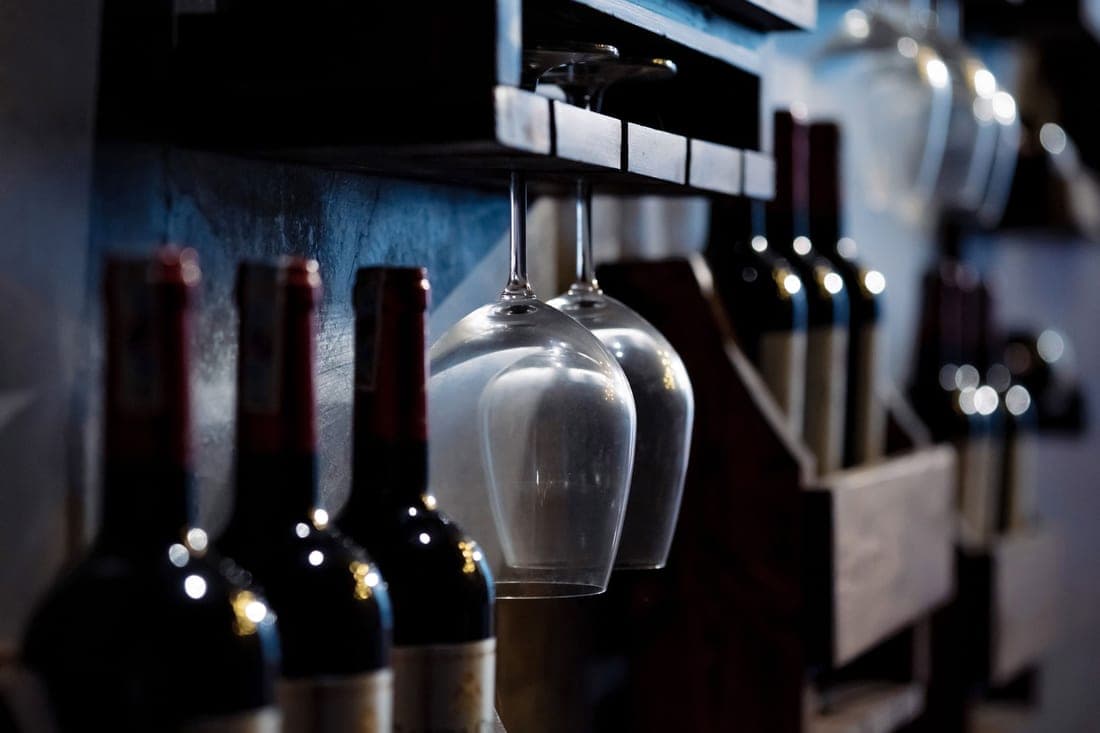
The short answer
Buy a cart if your bottles look good, your room is not especially bright, and you want everything within reach without opening anything. Buy a cabinet if your collection has outgrown a cart's display logic, the room is bright, or the bar needs to be able to close. Capacity is the usual tipping point: past roughly fifteen or twenty bottles, a cart reads as cluttered rather than curated and a cabinet becomes the better answer.
We earn a commission if you buy through the links on this page, at no extra cost to you. It never changes which product we pick. How we are funded.
Quick picks
| # | Product | Best for | Price |
|---|---|---|---|
| 1 | 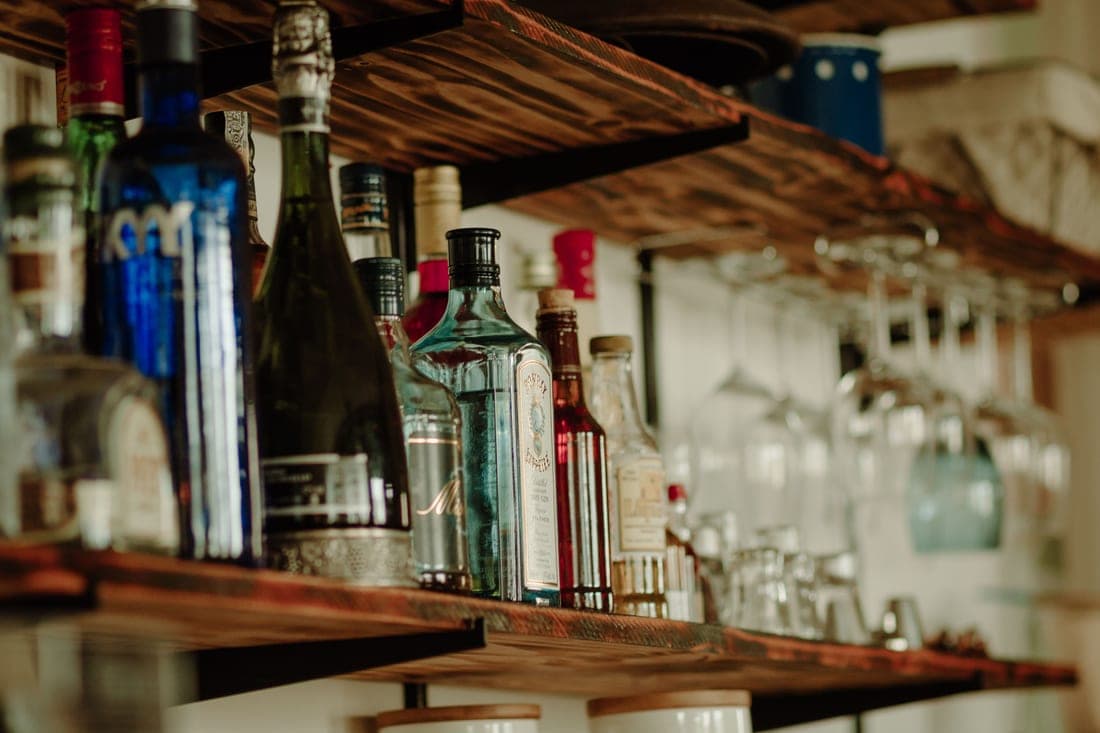 Nathan James Carter Rolling Bar Cart The cart | Most home bars | |
| 2 | Crosley LaFayette Sliding Top Bar Cabinet The cabinet | Closing the bar | |
| 3 | 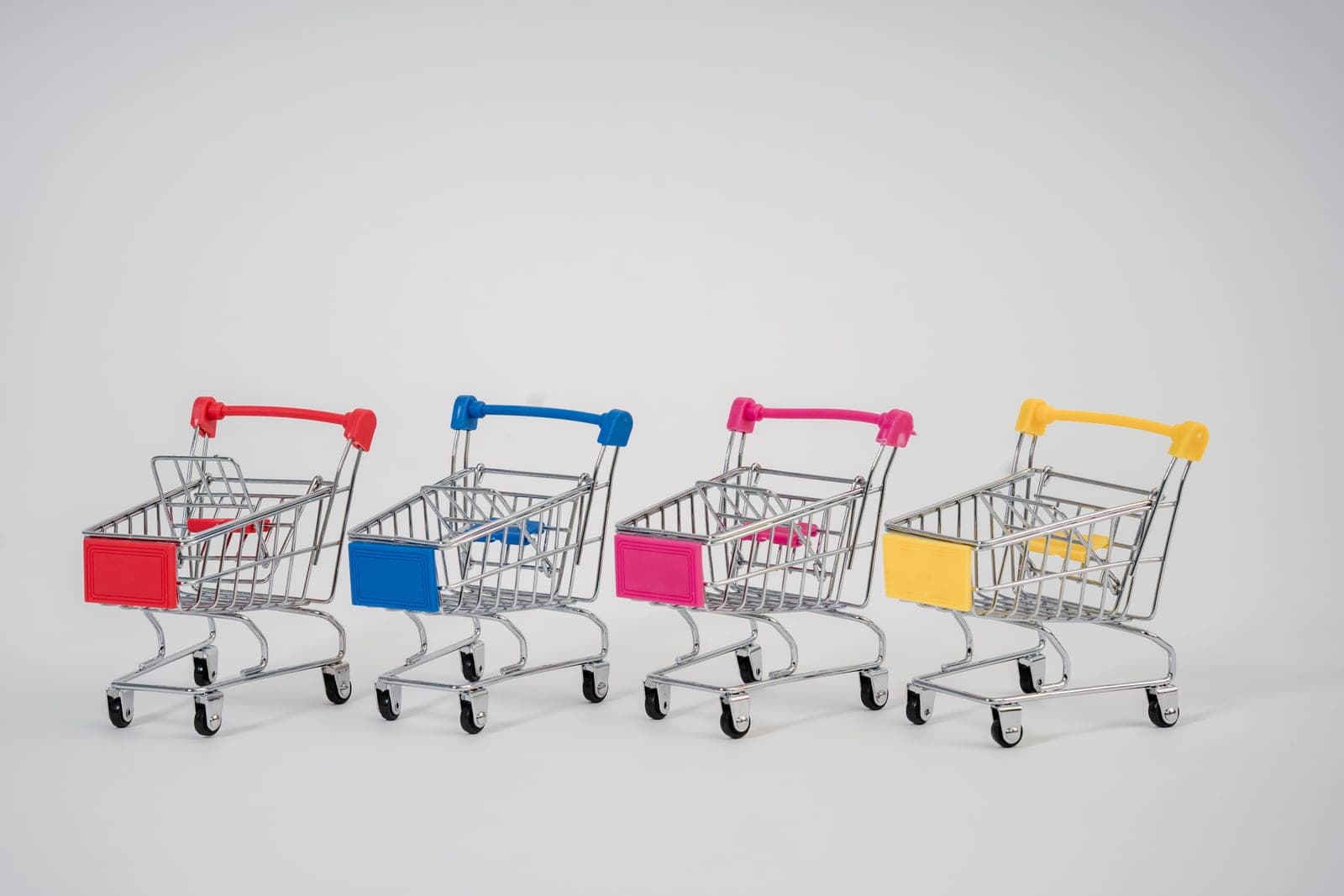 Yaheetech 3-Tier Rolling Bar Cart The narrow compromise | Narrow gaps |
Scroll the table sideways on a narrow screen. Prices are set by the retailer and change, so every price link opens the current listing rather than quoting a number here.
Head to head
The comparison in one table
| Bar cart | Bar cabinet | |
|---|---|---|
| Capacity | 8 to 14 bottles typically | Considerably more |
| Display | Everything, always | Closed, or behind glass |
| Dust | Accumulates on everything | Kept out |
| Sunlight | No protection | Solid doors protect fully |
| Mobility | Rolls to the room | Stays where you put it |
| Serving surface | The top, always available | Needs extension leaves |
| Cost | Lower | Furniture pricing |
| Can it close | No | Yes - the whole point |
There is no row here where one wins outright. Every advantage of a cart is the direct consequence of being open, and every advantage of a cabinet is the direct consequence of being closed.
Dimension one
Capacity, and the point where a cart stops working
A cart is a display, and displays have an aesthetic capacity that is lower than their physical capacity. Twelve bottles on a cart look considered. Twenty-two look like a liquor store shelf, regardless of how good the bottles are.
That tipping point is the single most useful thing to know before choosing. If your collection is growing and you already feel the cart is crowded, a bigger cart usually does not solve it - the problem is that everything is visible, and the fix is doors.
The partial answer is a cart plus storage elsewhere: the eight bottles you use weekly on the cart, everything else in a cupboard. That works well and it means the cart is genuinely curated rather than comprehensive.
Dimension two
Dust and sunlight are real, not fussy
An open cart accumulates dust on bottle shoulders, on glass rims and in the mouths of anything left uncovered. Cleaning it is a job that never gets scheduled, and a dusty glass rim is genuinely unpleasant.
Sunlight is the more damaging one. Direct light degrades spirits over months and fades labels faster than that. Anything wine-based suffers most - vermouth on a sunny cart is the most commonly ruined bottle in a home bar, and it is already the most fragile thing most people own.
If your only available space is by a window, that is close to a decisive argument for a cabinet, or at minimum for keeping the vulnerable bottles elsewhere. Vermouth belongs in the fridge once opened regardless of your furniture.
Dimension three
How the room is used
This is the deciding factor more often than capacity. A cart announces that this is a room where drinks happen, permanently, whether or not anyone is drinking. Some rooms should say that. A living room that is also a family room frequently should not.
A cabinet lets the bar be present and closed. That is worth a great deal in a shared space, and it is worth nothing at all in a study or a den where the cart is part of the point.
There is also a practical version: a cart rolls to where people are. Moving the bar to the conversation rather than the conversation to the bar is a genuine social advantage, and a cabinet cannot do it.
A third option
What people actually end up with
The common resolution is both, at different scales: a cabinet or a cupboard for storage and backstock, and a small cart or a tray for the working bar. It is more furniture than either alone and it solves both problems properly.
If that is too much, the tray version costs almost nothing: bottles in a cupboard, a tray with the four you are using this month plus tools, carried out when wanted. Bar cart ideas for small spaces covers that route.
The specific picks are in best bar carts and best home bar cabinets.
The picks in full
Every pick, and who each one is for
01 · The cart
Nathan James Carter Rolling Bar Cart
Nathan James · Mid tier
A railed glass top, a bottom shelf that holds a real bottle load, and a price that does not ask you to commit.
Two tiers, railed glass top, bottom shelf rated for around ten bottles. Rolls to where people are, needs no opening, and displays the collection - which is half the point of owning one.
The specs that decide it
- Tiers:
- 2
- Top:
- railed, glass
- Bottom shelf:
- holds around 10 bottles
- Mobility:
- casters
Who it is for
- The top rail is the feature people underrate - it is what stops a glass walking off while you roll
- Bottom shelf carries a genuine bottle load rather than four for the photo
- Assembles in an evening with the supplied hardware
Where it gives ground
- Glass top shows every ring, so you will want a coaster habit
- Casters on deep carpet are hard work
Skip this one if your bottles need to be out of sight or out of reach. A cart is an open, rolling display by design.
02 · The cabinet
Crosley LaFayette Sliding Top Bar Cabinet
Crosley · The one worth stretching for
A cabinet that hides the bottles and then doubles its serving surface when you want it open.
Enclosed storage with an integrated wine rack, and a sliding top that extends the serving surface to about 64.5 inches when needed. Doors solve dust and sunlight, and the bar can stop being a feature of the room.
The specs that decide it
- Type:
- enclosed bar cabinet
- Top:
- sliding extension leaves
- Open width:
- about 64.5 in with leaves extended
- Wine rack:
- around 15 bottles
Who it is for
- Doors matter more than people expect - dust and sunlight are both bad for an open bottle collection
- The sliding top nearly doubles usable surface for the twenty minutes you actually need it
- Integrated wine storage removes a separate rack from the room
Where it gives ground
- Heavy, and not a thing you reposition on a whim
- Takes a real wall - this is furniture, not an accessory
Skip this one if you like the bottles on show. Half the point of a bar cart is the display, and a cabinet is the opposite argument.
03 · The narrow compromise
Yaheetech 3-Tier Rolling Bar Cart
Yaheetech · Entry tier
Three shelves in a narrow metal frame - the cart to buy when the space you have is a gap, not a corner.
Three tiers in a narrow footprint, which is the answer when the argument is really about space rather than about display. More capacity than a two-tier cart without a cabinet's commitment.
The specs that decide it
- Tiers:
- 3
- Frame:
- metal
- Footprint:
- narrow
- Mobility:
- casters, often with locks
Who it is for
- A third shelf buys real capacity without buying floor area
- Metal frame is easier to wipe down than an open wood shelf
- Light enough to move with one hand
Where it gives ground
- Open shelving means everything is on show, dust included
- Lighter build than a furniture-grade cart - do not load the top tier with bottles
Skip this one if the cart is a centerpiece. This is a working cart, and it looks like one.
Honest limits
What we could not verify
We have not lived with these specific pieces. Dimensions, capacities and extension measurements are as published by each maker. Statements about sunlight and dust describe well-documented effects on stored spirits rather than tests we ran.
We do not run a test lab and we have not personally used every product here. Where a judgment rests on published specifications or on what owners report rather than on our own hands, we say so. Read the full method.
Questions
Related questions
- Are bar carts still in style?
- Yes, and the category has broadened well past mid-century modern. The more useful question is whether an open display suits your room and your collection size, not whether the format is fashionable.
- How many bottles before I need a cabinet?
- Roughly fifteen to twenty, though it is an aesthetic limit rather than a physical one. Past that a cart reads as cluttered rather than curated regardless of how good the bottles are.
- Does sunlight really damage spirits?
- Yes. Direct light degrades spirits over months and fades labels faster. Anything wine-based - vermouth especially - suffers worst, which is why it belongs in the fridge once opened.
- Can you use a sideboard as a bar cabinet?
- Yes, if its top stays clear. The thing that separates a bar cabinet from a sideboard is a working surface, which is why extension leaves are the feature worth looking for.
Sources
Read next
Related reading
- Bar carts and bar storage
Carts, cabinets and the accessories that stop a bar cart turning into a sticky shelf.
- Best bar carts
Bottle capacity, usable surface, rails and casters - the four things that decide whether a cart gets used.
- Best home bar cabinets
Enclosed capacity, serving surface and what doors actually protect - plus when a cart wins.
- How to stock a bar cart
Six bottles, four tools and the layout rule that decides whether a cart gets used or ignored.
- Bar cart ideas for small spaces
Five setups ranked by floor area needed, starting with the one that needs none.