Head to head
Mixing glass vs shaker
Not a choice between two tools - a choice between two outcomes. One produces a clear, dense, silky drink; the other produces a cold, aerated, textured one.
By Michael W. · Published September 2026
The short answer
Stir anything made only of spirits, wine-based aperitifs and bitters: Manhattan, martini, negroni, old fashioned. Shake anything containing citrus, dairy, egg or anything cloudy: daiquiri, margarita, whiskey sour. The rule works because shaking aerates and fragments ice, which gives a citrus drink the lift it needs and gives a spirit-only drink a cloudy, thin texture instead of the dense clear one it should have.
We earn a commission if you buy through the links on this page, at no extra cost to you. It never changes which product we pick. How we are funded.
Quick picks
| # | Product | Best for | Price |
|---|---|---|---|
| 1 | 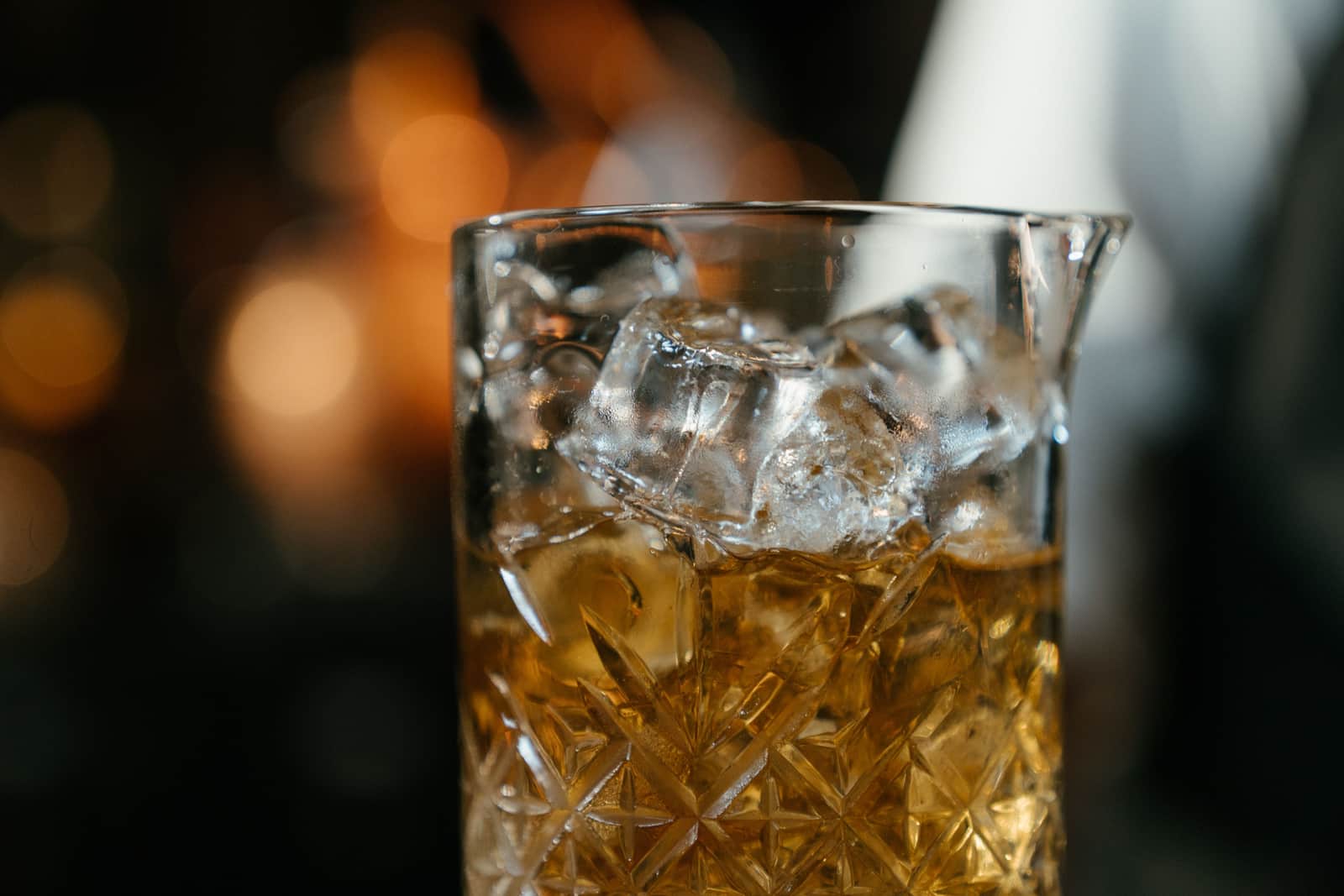 Cocktail Kingdom Yarai Mixing Glass 500ml For the stirred half | The default mixing glass | |
| 2 | 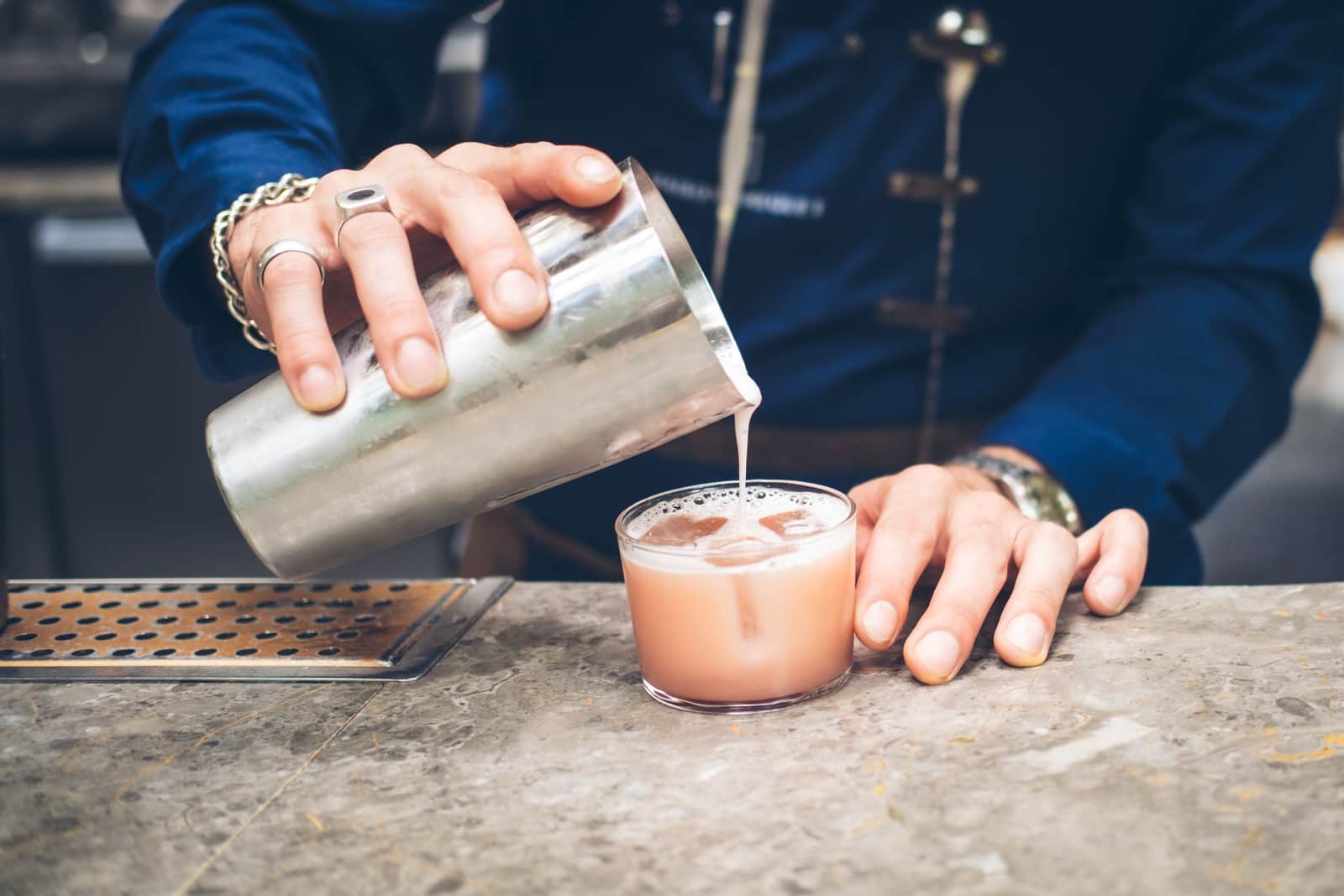 Cocktail Kingdom Koriko Weighted Shaking Tins For the shaken half | The default upgrade | |
| 3 |  Cocktail Kingdom Hoffman Barspoon What makes stirring work | Smooth stirring |
Scroll the table sideways on a narrow screen. Prices are set by the retailer and change, so every price link opens the current listing rather than quoting a number here.
The rule
The line, and why it holds
All spirits, stir. Anything cloudy, shake. It is the oldest rule in this part of the craft and it survives because it describes a real physical difference rather than a convention.
| Drink | Method | Why |
|---|---|---|
| Manhattan | Stir | Spirits and vermouth - wants clarity and density |
| Martini | Stir | Same, and aeration flattens the botanicals |
| Negroni | Stir | Equal parts spirit; texture should be silky |
| Old fashioned | Stir or build | Spirit, sugar, bitters - nothing to emulsify |
| Daiquiri | Shake | Citrus needs aeration and fast chilling |
| Whiskey sour | Shake | Citrus, and egg white if used, needs emulsifying |
| Margarita | Shake | Citrus again |
| Espresso martini | Shake, hard | The foam is the drink |
Dimension one
What shaking does that stirring does not
Shaking forces air into the liquid and breaks tiny fragments off the ice. Both of those change texture: the air gives lift and a head, and the ice fines give a slightly cloudy, softer mouthfeel.
For a citrus drink that is exactly right. A daiquiri without aeration is flat and sharp; with it, the acidity lifts and the drink gains body. For anything with egg white, shaking is not optional at all - without the mechanical emulsification the protein never forms a stable foam.
Shaking also chills faster, because the ice is moving. A shaken drink gets to temperature in about 12 seconds where a stirred one takes 20 to 30. That speed is part of why shaking suits drinks meant to be bright and immediate.
Dimension two
What stirring preserves
Stirring is deliberately gentle. The ice rotates as a column, nothing fragments, and almost no air enters the liquid. The result is a drink that is clear, dense and silky, with the viscosity that makes a good Manhattan feel like it has weight.
That matters for spirit-only drinks because there is nothing in them that benefits from aeration and quite a lot that suffers. Air dulls the aromatics in a gin, and ice fines cloud a drink whose appearance is half its appeal.
Shake a Manhattan and you get a cloudy, slightly frothy, thinner drink that is also over-diluted, because the violence melts more ice in less time. It is not undrinkable. It is measurably not what the drink is supposed to be, and the difference is obvious side by side.
Dimension three
The edge cases
- Drinks with a small citrus component. A tiny amount of lemon in an otherwise spirit-forward drink usually still stirs. The rule is about the dominant character, not about the presence of a single ingredient.
- Drinks with cream liqueur. Shake. Anything dairy needs emulsifying even if the rest is spirit.
- Carbonated ingredients. Never shake or stir with the bubbles in - build those in the glass at the end. Shaking soda is a mess and a flat drink.
- A dry shake first. Egg-white drinks get a shake without ice to build foam, then a shake with ice to chill. See how to shake a cocktail.
And the honest one: if you only own tins, you can stir in the large tin. It is worse - light, tapered, and your hand warms it - but it works, and it is a far better answer than shaking a drink that should be stirred.
The picks in full
Every pick, and who each one is for
01 · For the stirred half
Cocktail Kingdom Yarai Mixing Glass 500ml
Cocktail Kingdom · Mid tier
The industry workhorse: heavy, cut, and sized for one or two drinks without a wall of leftover dilution.
500ml of heavy cut glass, which is one to two drinks with a proper ice charge. Mass is what keeps the glass still while you stir, and the cut gives grip a smooth beaker does not.
The specs that decide it
- Capacity:
- 500 ml (about 17 oz)
- Capacity in drinks:
- 1 to 2
- Pattern:
- Yarai cut
- Base:
- heavy, weighted
Who it is for
- Mass is the point - a heavy glass does not travel across the counter while you stir
- The cut gives grip that a smooth beaker does not
- Spout pours clean, which sounds trivial until you use one that does not
Where it gives ground
- Glass, on a counter, near ice - it is a breakable in a wet environment
- 500 ml gets tight with two drinks and a full ice charge
Skip this one if you regularly build three or four stirred drinks at once. Step up to the 675 ml seamless.
02 · For the shaken half
Cocktail Kingdom Koriko Weighted Shaking Tins
Cocktail Kingdom · Mid tier
The tins most working bartenders reach for, and the shortest path out of a shaker that sticks.
18 and 28oz weighted tins with a taper that seals on a tap and breaks on a strike. Thin metal chills fast, and two-thirds of a large tin is the room a shaken drink needs for the ice to actually travel.
The specs that decide it
- Set:
- 18 oz and 28 oz
- Capacity:
- about 2 drinks
- Base:
- weighted
- Material:
- stainless steel
Who it is for
- The taper is cut so the pair seals with a tap and breaks with a palm strike, every time
- Weighted bases keep an empty tin from skating across the counter
- Cheap enough to own two pairs, which is how you actually make four drinks
Where it gives ground
- The seal is tight by design and feels alarming for the first week
- Bare steel shows fingerprints immediately
Skip this one if you want a one-piece shaker you can hand to a guest. Tins are a two-handed tool and they reward practice.
03 · What makes stirring work
Cocktail Kingdom Hoffman Barspoon
Cocktail Kingdom · Mid tier
The teardrop counterweight is the whole argument: it carries momentum and irons the jerk out of your stir.
A mixing glass without a proper spoon is half a purchase. The teardrop counterweight carries momentum through the rotation, and the twisted shaft is what lets the spoon spin between your fingers rather than being pushed in your fist.
The specs that decide it
- End:
- teardrop counterweight
- Shaft:
- twisted
- Lengths:
- multiple, choose to match your mixing glass
- Material:
- stainless steel
Who it is for
- Momentum from the weighted end smooths the rotation, which is what makes a quiet stir possible
- Twisted shaft lets the spoon spin between your fingers rather than in your fist
- The teardrop doubles as a passable muddle for a sugar cube
Where it gives ground
- Too long for a short mixing glass and it will fence with the rim
- The weighted end makes it top-heavy if you try to use it as a measuring spoon
Skip this one if your mixing glass is short. Match spoon length to glass height first, brand second.
Honest limits
What we could not verify
We have not run side-by-side dilution or temperature measurements on shaken versus stirred versions of the same drink. The descriptions here rest on the well-documented physical differences between the two methods - aeration, ice fragmentation and rate of heat transfer - rather than on our own testing.
We do not run a test lab and we have not personally used every product here. Where a judgment rests on published specifications or on what owners report rather than on our own hands, we say so. Read the full method.
Questions
Related questions
- Why should you stir a Manhattan instead of shaking it?
- Shaking aerates the drink and fragments the ice, giving a cloudy, frothy, over-diluted result. A Manhattan wants the dense, clear, silky texture that only gentle rotation produces.
- Can you stir a drink with citrus?
- You can, and it will be flatter and sharper than it should be. Citrus drinks benefit from the aeration and fast chilling that shaking provides.
- How long should you stir a cocktail?
- Usually 20 to 30 seconds, until the outside of the glass frosts. Stirring is gentler than shaking, so it takes longer to reach the same temperature and dilution.
- Can I use a shaker tin as a mixing glass?
- Yes, and it is worse: it is light, tapered so the ice tumbles rather than rotating, and your hand warms it. It is still much better than shaking a drink that should be stirred.
Sources
Read next
Related reading
- Jiggers, bar spoons and mixing glasses
Jiggers, spoons and mixing glasses - the half of the bar that decides whether a drink is repeatable.
- Best mixing glasses
Capacity, mass, seam and spout compared - and why a pint glass is worse at every part of the job.
- How to stir a cocktail
The finger grip that turns the spoon into a bearing, how long to stir, and why silence is the goal.
- Best cocktail shakers
Tins against cobblers on seal, capacity and chilling - and which one suits who is actually shaking.
- How to shake a cocktail
Sealing, the shake itself, when to stop, and breaking the seal in one motion - plus dry shake and whip.