Roundup
Best cocktail shakers
Boston tins, cobblers and the strainers that finish the job, compared on what actually changes the drink in the glass.
By Michael W. · Published September 2026
The short answer
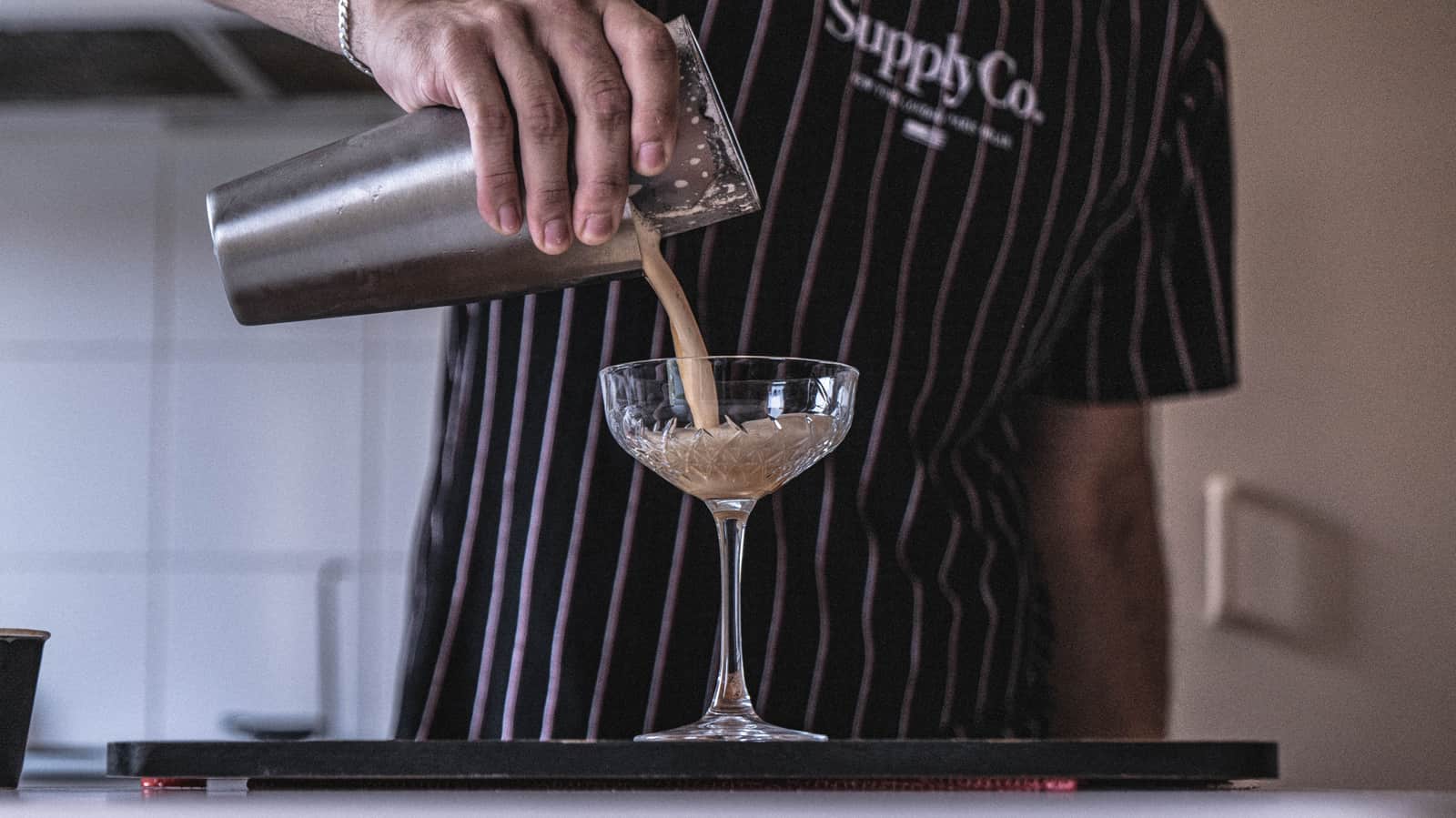
For anyone who makes their own drinks, a pair of Koriko weighted tins plus a Hawthorne strainer is the right answer and has been for years - faster, larger, better chilling, and your choice of strainer. Buy an OXO Steel cobbler instead if the person shaking is regularly somebody else, because a cobbler is one object rather than three and can be handed to a guest who has never used one. Plenty of home bars own both, and that is not indecision.
We earn a commission if you buy through the links on this page, at no extra cost to you. It never changes which product we pick. How we are funded.
Quick picks
| # | Product | Best for | Price |
|---|---|---|---|
| 1 | 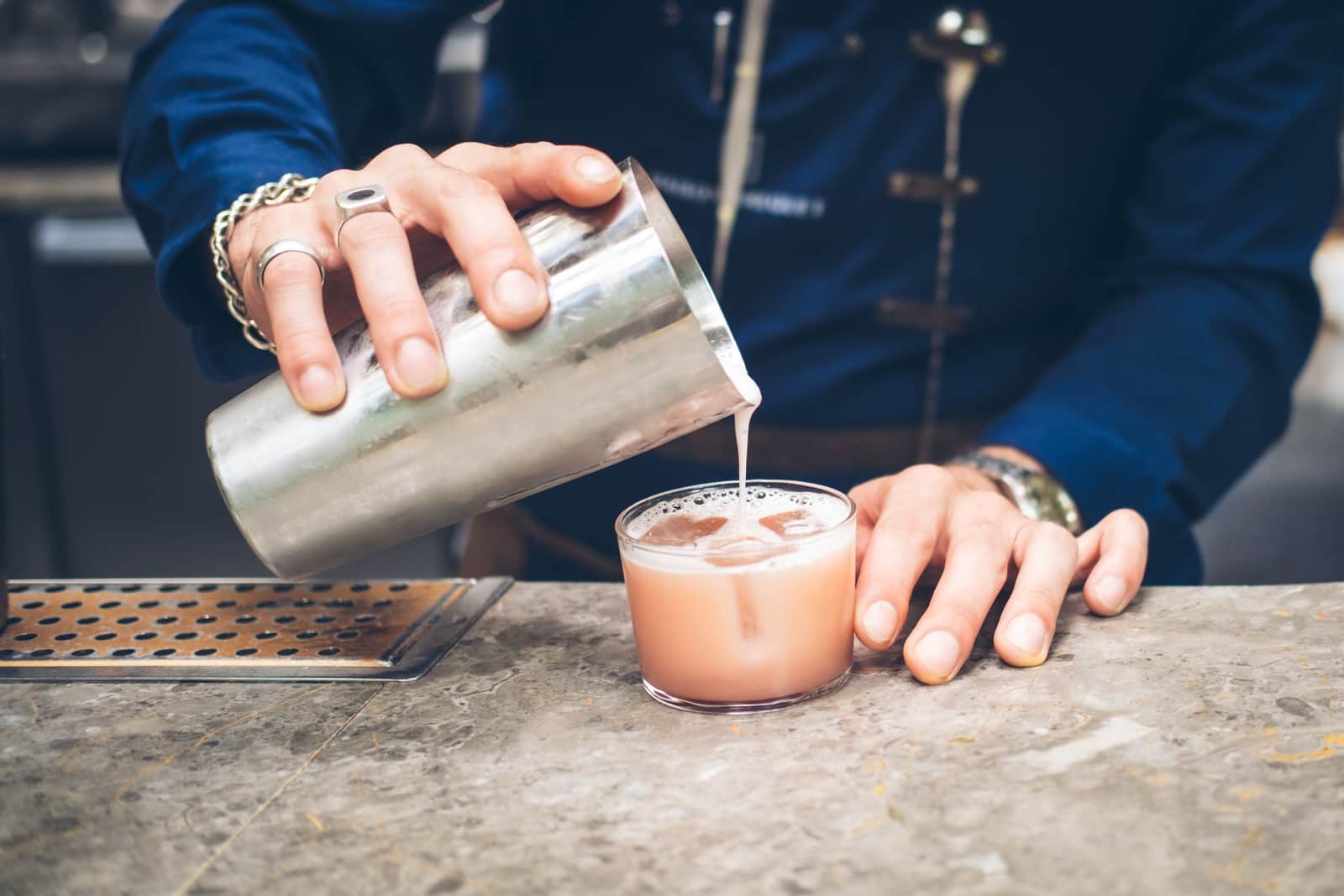 Cocktail Kingdom Koriko Weighted Shaking Tins Best overall | The default upgrade | |
| 2 | 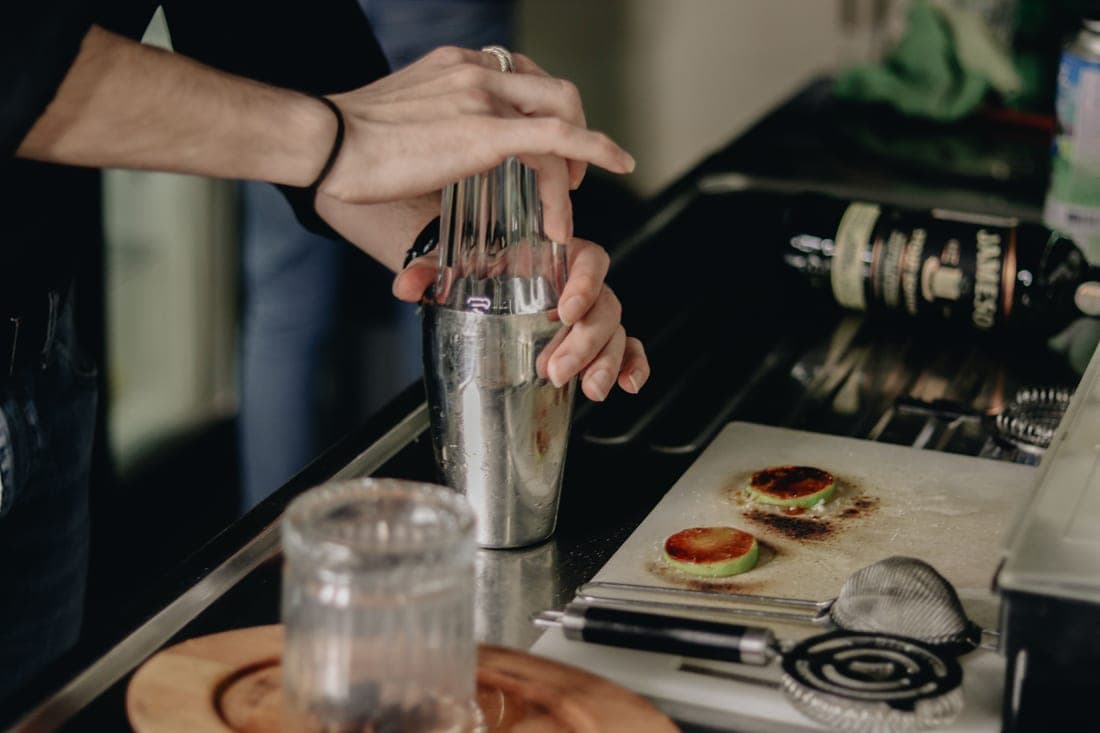 OXO Steel Cocktail Shaker Best for handing to a guest | Handing to a guest | |
| 3 |  Barfly Cocktail Shaker Tin Set Best finish range | Finish options | |
| 4 |  Cocktail Kingdom Koriko Hawthorne Strainer The strainer to pair with tins | Shaken drinks | |
| 5 | Cocktail Kingdom Leopold Weighted Shaking Tins Best looking | When the tins are on display |
Scroll the table sideways on a narrow screen. Prices are set by the retailer and change, so every price link opens the current listing rather than quoting a number here.
The decision
Tins or a cobbler - answer this first
Every other question in this category is downstream of one: are you always the person shaking?
If yes, buy tins. They hold more, the thinner metal transfers heat faster so the drink chills quicker, they are faster to load and empty, and you get to choose a strainer rather than inheriting whatever is punched into a lid. Every bar in the world uses them, and not for reasons of tradition.
If somebody else shakes regularly - a partner, a guest who wants to help, anyone who has not spent a month learning a palm strike - a cobbler earns its place. One object, no separate strainer, no technique to explain. The performance gap is real and it is smaller than the gap between a guest making a drink and a guest not making one.
How we picked
How we picked these
These are selections based on published specification, construction and what owners consistently report - not on test results, because we have not shaken with all of them. We weighted, in order:
- Whether the seal is designed or accidental. A machined taper seals and releases predictably. A boxed set's fit is luck.
- Capacity against handling. Enough room for two drinks and a full ice charge, in something you can hold at arm's length.
- Chilling. Thinner metal transfers heat faster. This is a real and underrated advantage of tins over a heavy cobbler.
- Strainer quality, where it is built in. A lid strainer that lets pulp through defeats the purpose of a cobbler.
- Edge and rim finish. The surface that decides whether a seal is still good in three years.
Buying guide
Why thin metal chills better
A shaken drink is chilled by ice moving through liquid, and the tin's job is to get out of the way. Thin stainless conducts heat quickly and has little mass of its own to cool down first, so nearly all the cold goes into the drink.
A heavy-walled cobbler has more metal to chill before the drink gets the benefit, which is part of why a cobbler shake often feels like it needs longer. It is not a large difference, and it is measurable in how quickly frost forms on the outside - which is the practical cue most people use to decide when to stop shaking.
The corollary is that chilling your tins in advance does very little for a shaken drink and quite a lot for a stirred one in a mixing glass, because a mixing glass has real thermal mass. Mixing glass vs shaker covers which drinks belong where.
Buying guide
The strainer is not optional
A pair of tins strains nothing on its own, and the strainer you choose changes the drink more than the tin does.
| Strainer | Where it sits | Use it for |
|---|---|---|
| Hawthorne | On the rim of a tin | Shaken drinks, citrus, anything with pulp |
| Julep | Inside a mixing glass | Stirred drinks |
| Fine mesh | Held under either | Double straining for a silky texture |
If you buy one, buy a Hawthorne - it covers the shaken drinks that make up most of what people shake. If you also stir, a julep is cheap and does the job far better than balancing a Hawthorne on a mixing glass. Hawthorne vs julep strainer settles the order.
Buying guide
What not to spend on
- A glass-and-tin Boston set. The classic pint-glass-plus-tin pairing looks right and breaks - the glass half is a genuine hazard when a seal sticks and somebody applies force.
- Anything with a built-in jigger cap. Universally too small, universally inaccurate, and it adds a part that can leak.
- Copper-plated interiors. Decorative plating inside a vessel that holds acidic citrus is a wear problem dressed as a feature.
- A twelve-piece boxed set. You are buying a stand and a muddler to get a shaker. Best bartender kits covers the kits that are genuinely worth it and the ones that are not.
And a note on price: past a fairly low threshold, more money in this category buys finish rather than function. A plain pair of weighted tins performs like a bar's, because it is what a bar buys.
The picks in full
Every pick, and who each one is for
01 · Best overall
Cocktail Kingdom Koriko Weighted Shaking Tins
Cocktail Kingdom · Mid tier
The tins most working bartenders reach for, and the shortest path out of a shaker that sticks.
Two-piece tins are the faster, higher-capacity, better-chilling tool, and this is the pair whose seal behaves most predictably. The thin metal chills faster than a heavy cobbler, the 18/28 pairing holds about two drinks, and you choose the strainer rather than accepting the one built into a lid.
The specs that decide it
- Set:
- 18 oz and 28 oz
- Capacity:
- about 2 drinks
- Base:
- weighted
- Material:
- stainless steel
Who it is for
- The taper is cut so the pair seals with a tap and breaks with a palm strike, every time
- Weighted bases keep an empty tin from skating across the counter
- Cheap enough to own two pairs, which is how you actually make four drinks
Where it gives ground
- The seal is tight by design and feels alarming for the first week
- Bare steel shows fingerprints immediately
Skip this one if you want a one-piece shaker you can hand to a guest. Tins are a two-handed tool and they reward practice.
02 · Best for handing to a guest
OXO Steel Cocktail Shaker
OXO · Entry tier
A cobbler that seals and pours without a fight, for the times when the person shaking is not you.
The whole argument for a cobbler is that it is one object with the strainer in the lid. This one seals and pours without the classic cheap-cobbler failure of a lid that freezes shut. Capacity caps out well below a 28oz tin and the built-in strainer is coarser than a real Hawthorne, and neither matters when the alternative is explaining a two-tin break to somebody holding a drink.
The specs that decide it
- Type:
- cobbler, three-piece
- Strainer:
- built into the lid
- Material:
- stainless steel
- Capacity:
- single to double drink
Who it is for
- Built-in strainer means one object, not three, which is what makes it guest-proof
- Seals reliably - the failure mode of cheap cobblers is a lid that freezes on, and this is not one
- Dishwasher tolerant
Where it gives ground
- Built-in strainer is coarser than a real Hawthorne
- Capacity caps out well below a 28 oz tin
Skip this one if you are the only person who ever makes drinks in your house. Tins are faster, hold more and strain better.
03 · Best finish range
Barfly Cocktail Shaker Tin Set
Barfly by Mercer · Mid tier
Heavy-gauge tins with the widest range of finishes, and the easiest pair to match to a bar that is already a color.
Heavy-gauge 18/8 tins in more finishes than anyone else sells. Worth choosing when the bar is already styled and you want the tools to match rather than contrast. Performance is close to the Koriko pair; the plating is the reason to pick it.
The specs that decide it
- Set:
- 18 oz and 28 oz
- Material:
- 18/8 stainless steel
- Base:
- capped and weighted
- Finishes:
- steel, copper, gold and black among others
Who it is for
- Heavy-gauge steel feels more substantial in the hand than the price suggests
- The finish range is genuinely useful if your bar has a metal theme already
- Satin interior wears well rather than scratching to a dull gray
Where it gives ground
- Plated finishes are a wear item - they will mark with heavy use
- Seal feel varies a little more pair to pair than the Cocktail Kingdom tins
Skip this one if you want the single most predictable seal available. Plain Koriko tins are the safer default.
04 · The strainer to pair with tins
Cocktail Kingdom Koriko Hawthorne Strainer
Cocktail Kingdom · Mid tier
A tight spring and a body that actually sits down in the tin, which is the whole job of a Hawthorne.
A dense removable spring that holds back shaken citrus pulp without a second strainer, and a gate precise enough to open up for a shaken drink and close down for a stirred one. Buying tins without a Hawthorne is the most common half-finished upgrade in the category.
The specs that decide it
- Type:
- Hawthorne
- Spring:
- dense coil, removable
- Fit:
- seats in both 18 oz and 28 oz tins
- Material:
- stainless steel
Who it is for
- The spring is dense enough to hold back shaken citrus pulp without a second strainer
- Gate control is precise, so you can open it up for a shaken drink and close it for a stirred one
- Spring comes out for cleaning, which cheap strainers do not allow
Where it gives ground
- Still not a substitute for a fine mesh when you want a genuinely silky texture
- The gate tab is small if you have large hands
Skip this one if you only stir. A julep strainer is the better and cheaper tool for a mixing glass.
05 · Best looking
Cocktail Kingdom Leopold Weighted Shaking Tins
Cocktail Kingdom · The step up
The same working geometry as the Koriko in an art deco dress, for a bar where the tools sit out.
Deco fluting over the same working geometry. The pattern genuinely grips better with wet hands, and the real reason to buy it is that it looks like something on an open cart. If the tins live in a drawer, this is money spent on a finish nobody sees.
The specs that decide it
- Set:
- 18 oz and 28 oz
- Capacity:
- about 2 drinks
- Base:
- weighted
- Styling:
- fluted deco pattern drawn from 1920s-30s pieces
Who it is for
- Looks like something rather than like equipment, which matters on an open bar cart
- Fluting gives a grippier hold with wet hands than a smooth tin
- Seals and breaks the same way the plain tins do
Where it gives ground
- The pattern traps a little more residue, so it wants a brush rather than a rinse
- You pay for the styling, not for performance
Skip this one if your tins live in a drawer. You will be paying for a finish nobody sees.
Honest limits
What we could not verify
We have not shaken with every shaker here, so chilling comparisons rest on the thermal properties of the materials rather than on timed tests we ran. Capacities, materials and construction are as published. Seal behavior and lid-freezing reports come from what owners consistently describe.
We do not run a test lab and we have not personally used every product here. Where a judgment rests on published specifications or on what owners report rather than on our own hands, we say so. Read the full method.
Questions
Related questions
- Is a Boston shaker better than a cobbler?
- For performance, yes - more capacity, faster chilling, your choice of strainer. For handing to a guest, no, because a cobbler is one object with the strainer built in and needs no technique.
- Do I need two shakers?
- If you regularly make four drinks, two pairs of tins beat one oversized tin: you can shake both at once and the weight in each hand stays manageable.
- How long should you shake a cocktail?
- Until the outside of the tin frosts, usually around 12 to 15 seconds with a hard shake. Frost is the cue because it tells you the metal has reached the temperature the drink is heading for.
- Can you put a cocktail shaker in the dishwasher?
- Plain stainless tins, generally yes. Plated finishes and any shaker with a gasket are better hand-washed - the plating wears and the gasket perishes.
Sources
Read next
Related reading
- Shakers and strainers
Weighted tins, cobblers and strainers, ranked on the thing that actually matters: whether the seal behaves.
- Best weighted shaking tins
Two-piece tins compared on seal behavior, capacity pairing, balance and edge finish.
- Boston vs cobbler shaker
Two tins against three pieces, on capacity, chilling, straining and who is doing the shaking.
- Koriko shaker review
Why this pair became the default, what the first week feels like, and the two cases for buying something else.
- How to shake a cocktail
Sealing, the shake itself, when to stop, and breaking the seal in one motion - plus dry shake and whip.
- Best Japanese jiggers
Why a narrow bore reads more accurately, which size pairing to buy, and the precision-stability trade-off.