Roundup
Best cocktail shakers for margaritas
A margarita is a round rather than a drink, it is full of citrus pulp, and lime oil lives in steel. Those three facts decide the shaker, not brand loyalty.
By Michael W. · Published October 2026
The short answer
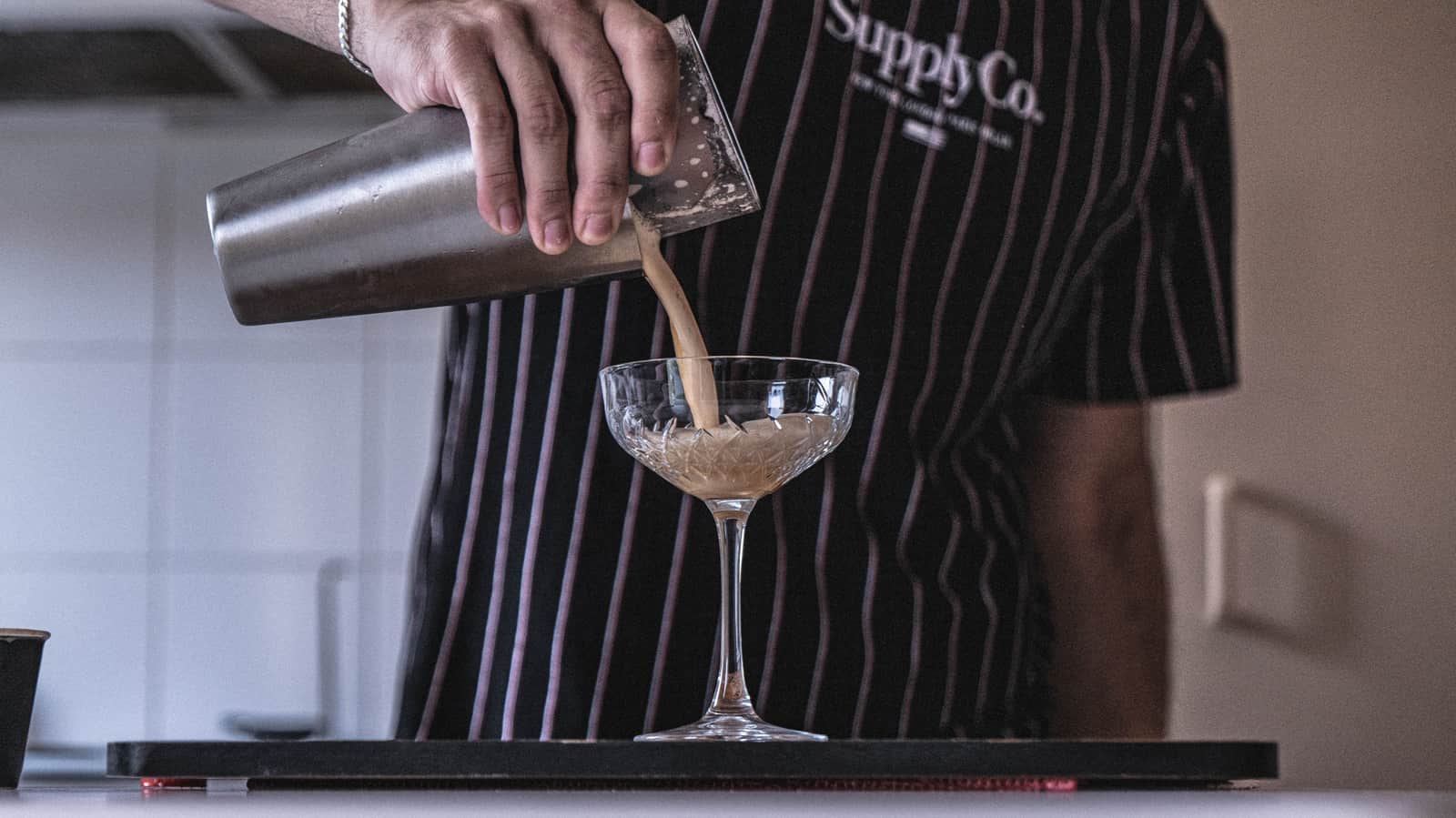
For margaritas, buy a weighted tin-on-tin pair - an 18 oz over a 28 oz - and a fine mesh strainer to go with it. A margarita is three ounces of liquid before ice and almost nobody makes one at a time, so capacity is the first constraint: a 28 oz tin holds two drinks with a proper ice charge, and two pairs of tins is how you actually make four. The second constraint is pulp. Fresh lime juice carries pulp and seed fragments that a cobbler's built-in strainer passes straight into the glass, so if you want a clean margarita you need to strain through a Hawthorne into a fine mesh. If the shaker has to be guest-proof rather than fast, a good cobbler is a legitimate choice - just accept a coarser pour and a smaller batch. And buy a citrus press at the same time: the shaker is never what is wrong with a disappointing margarita.
We earn a commission if you buy through the links on this page, at no extra cost to you. It never changes which product we pick. How we are funded.
Quick picks
| # | Product | Best for | Price |
|---|---|---|---|
| 1 | 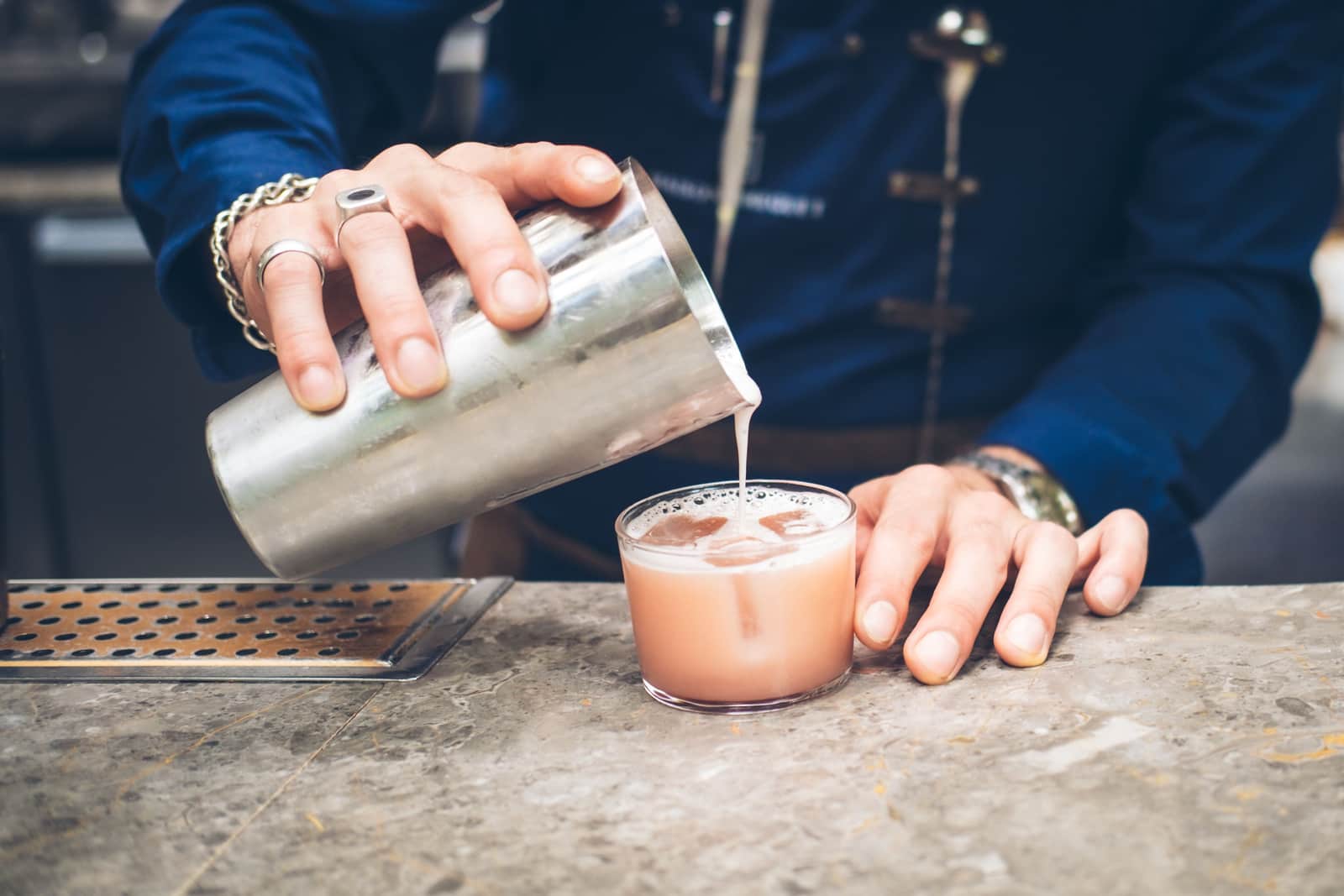 Cocktail Kingdom Koriko Weighted Shaking Tins Best overall for margaritas | The default upgrade | |
| 2 | 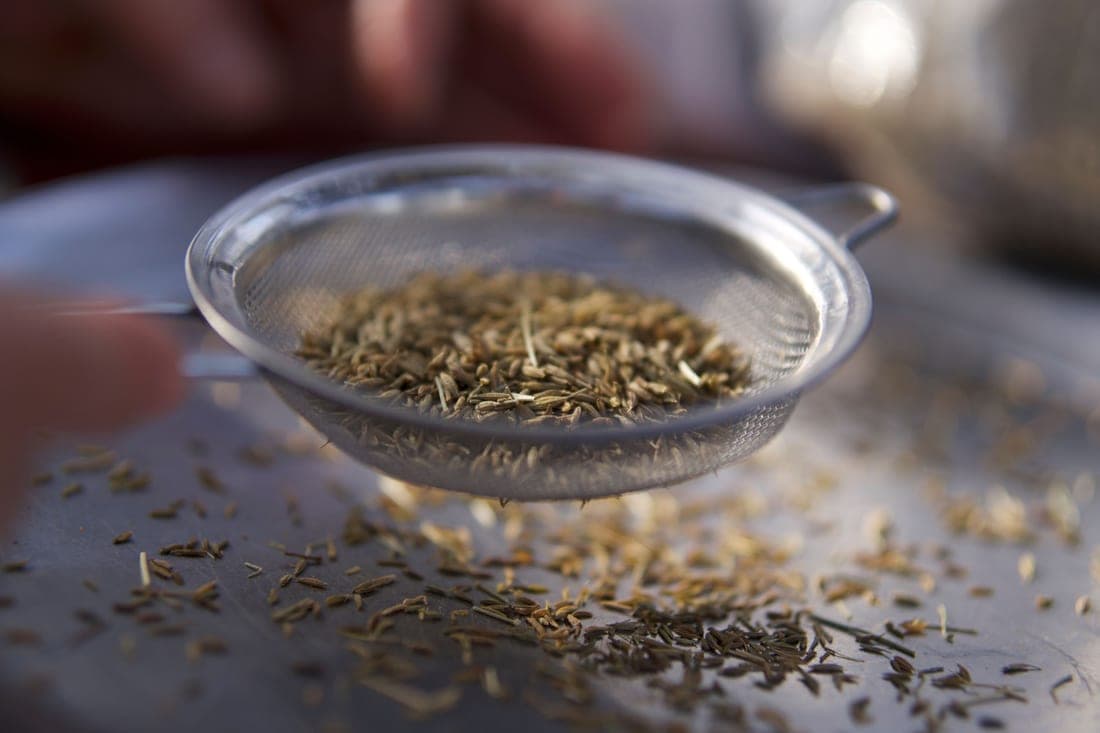 Barfly Fine Mesh Strainer The pick that actually changes the drink | Double straining | |
| 3 | 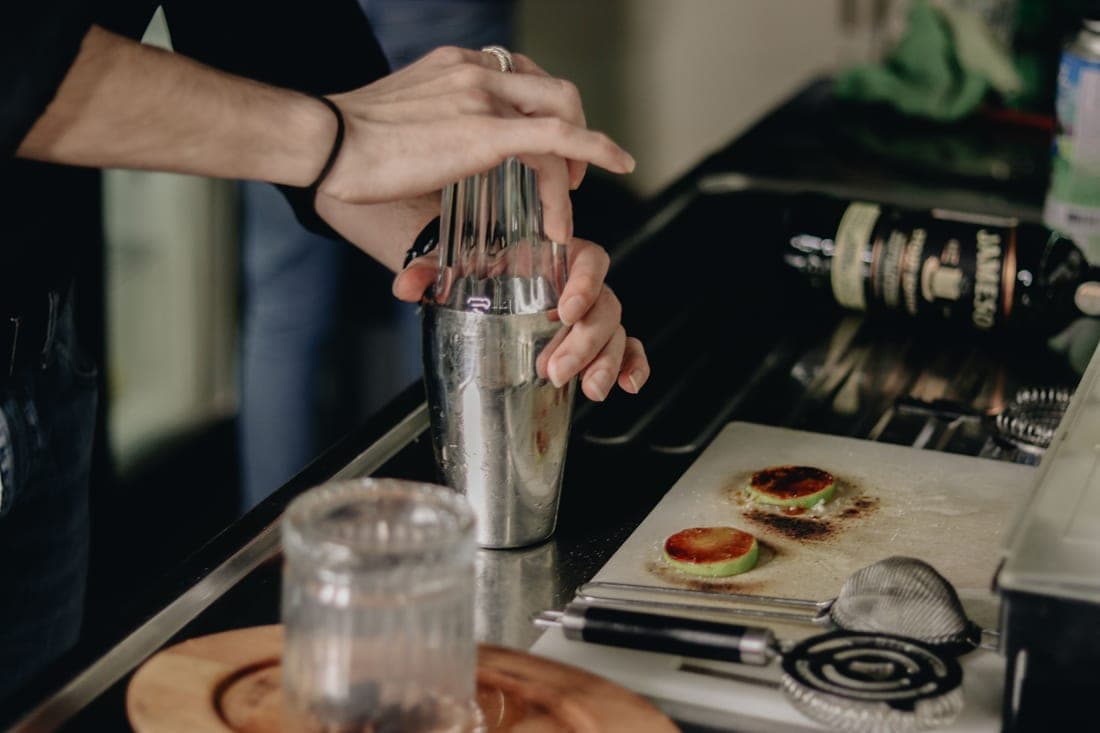 OXO Steel Cocktail Shaker Best for handing to a guest | Handing to a guest | |
| 4 |  Chef'n FreshForce Citrus Juicer Buy this before you upgrade the shaker | The most juice per squeeze | |
| 5 |  Barfly Cocktail Shaker Tin Set If the tins live in the open | Finish options |
Scroll the table sideways on a narrow screen. Prices are set by the retailer and change, so every price link opens the current listing rather than quoting a number here.
The constraints
What a margarita asks of a shaker that other drinks do not
Most shaker advice is written for a two-ounce stirred-adjacent drink. A margarita is a different problem in three specific ways, and each one points at a different feature.
1. Volume - nobody makes one margarita
The standard build is around 2 oz tequila, 1 oz lime and 0.75 oz orange liqueur or agave: roughly 3.75 oz before dilution. With ice filling three-quarters of the tin, a 28 oz large tin takes two of those comfortably and a third not at all. A cobbler shaker tops out well below that. If you routinely serve four people, the real answer is two pairs of tins rather than one bigger shaker.
2. Pulp and seeds
Fresh lime juice is not a clear liquid. Hand-squeezed juice carries pulp, membrane and seed fragments, and if you muddle or add agave it carries more. A Hawthorne strainer stops ice and large solids; it does not stop pulp. That is the job of a fine mesh strainer held under the pour, and it is why bars double strain shaken citrus drinks as standard. When to double strain a cocktail is the full argument.
3. Lime oil in steel
Citrus oil is tenacious, and stainless steel holds it in the micro-texture of the surface. A tin used for twelve margaritas and rinsed under a cold tap will put lime into the next Manhattan you make in it. Hot water, soap and a proper dry is the fix, and it is a reason to keep more than one pair if you make both styles of drink in an evening - see how to clean bar tools.
Tins or cobbler
The decision, honestly
| Weighted tins | Cobbler | |
|---|---|---|
| Capacity | Two margaritas with a full ice charge | One, or a tight two |
| Straining | Hawthorne plus fine mesh - clean pour | Built-in, coarse - pulp gets through |
| Speed for a round | Fast; two pairs makes four at once | Slow; one at a time |
| Handing to a guest | Needs showing how | Immediately usable |
| Seal when wet with lime | Secure - that is what the taper is for | Lid can freeze on |
| Pieces to wash | Two tins plus strainers | Three, nested |
| Cost of a second set | Low | Higher per drink of capacity |
The cobbler's reputation for freezing shut is worse than it deserves on a good one, but it is a real phenomenon and citrus drinks make it worse: sugar from agave or orange liqueur dries in the lid seam. If you serve margaritas from a cobbler, rinse the lid immediately rather than at the end of the evening.
Boston vs cobbler shaker covers the general case, and what size cocktail shaker covers capacity in detail. For margaritas specifically, the capacity argument is decisive often enough that tins win most of the time.
The ice
Shaking ice and glass ice are different ice
A margarita is shaken hard and served either up or over fresh ice, and those are two different ice decisions.
- In the tin: 1 to 1.25 inch cubes, dense and dry, filling the large tin to about three quarters. This ice is a consumable - it does the chilling and the dilution and then it gets discarded.
- Served up: no ice in the glass at all, which means the glass has to be cold. Five minutes in the freezer.
- Served on the rocks: fresh cubes in the glass, never the ice you shook with. Shaken ice is fractured and wet and will turn the drink watery in minutes.
- Frozen margaritas: a blender, not a shaker. Different drink, different tool.
The commonest mistake is too little ice rather than the wrong size - a half-filled tin warms up instead of chilling, which gives you a tepid, watery drink and no amount of shaking harder fixes it. What size ice for a cocktail shaker covers the numbers, and how to chill a cocktail glass covers the up version.
The rest of the station
What to buy alongside the shaker
A shaker is one of four things that decide whether a home margarita is good, and it is arguably the least important of them.
- A citrus press. Fresh lime, squeezed to order, is non-negotiable. A geared hand press gets more juice with less effort than a hinged squeezer and is the right tool for lime specifically - best citrus juicers for cocktails covers the category.
- A fine mesh strainer. Four dollars of wire that removes every bit of pulp. Nothing else on this page changes the glass as visibly.
- A jigger. Equal-parts drinks forgive a loose pour; a margarita does not, because the lime-to-sweet ratio is the entire drink. How to use a jigger covers the technique.
- Rocks glasses or coupes, in a set. Margaritas are served in rounds, so one glass is never the right number. Best rocks glasses and best coupe glasses cover both serves.
No salt rim advice here beyond one practical point: salt the glass before the drink goes in, over the sink, and only half the rim. A fully salted rim gives the drinker no choice.
The shake
How hard, how long, and what good looks like
A margarita wants a hard shake of about ten to twelve seconds. The target is a tin so cold it is painful to hold and frosted on the outside, which is the visual signal that the drink has hit temperature. Shaking longer does not make it colder - once the drink reaches equilibrium with the ice, the only thing still happening is dilution.
Hold both tins, not just one. The failure mode with a wet tin is the small tin releasing mid-shake, and the reason it happens is a grip on the large tin alone. Break the seal with the heel of your hand on the large tin at the widest point of the join, never by pulling - why shaker tins stick and leak covers the mechanics, and how to shake a cocktail covers the motion itself.
The picks in full
Every pick, and who each one is for
01 · Best overall for margaritas
Cocktail Kingdom Koriko Weighted Shaking Tins
Cocktail Kingdom · Mid tier
The tins most working bartenders reach for, and the shortest path out of a shaker that sticks.
An 18 oz over 28 oz weighted pair that holds two margaritas with a full ice charge. The taper seals with a tap and breaks with a palm strike, which matters when your hands are wet with lime juice, and they are cheap enough to own two pairs for a round of four.
The specs that decide it
- Set:
- 18 oz and 28 oz
- Capacity:
- about 2 drinks
- Base:
- weighted
- Material:
- stainless steel
Who it is for
- The taper is cut so the pair seals with a tap and breaks with a palm strike, every time
- Weighted bases keep an empty tin from skating across the counter
- Cheap enough to own two pairs, which is how you actually make four drinks
Where it gives ground
- The seal is tight by design and feels alarming for the first week
- Bare steel shows fingerprints immediately
Skip this one if you want a one-piece shaker you can hand to a guest. Tins are a two-handed tool and they reward practice.
02 · The pick that actually changes the drink
Barfly Fine Mesh Strainer
Barfly by Mercer · Entry tier
The second strainer that turns a gritty home shaken drink into a silky one, for very little money.
Fresh lime is full of pulp and seed fragments. A fine mesh held under the Hawthorne catches all of it, which is the difference between a cloudy gritty margarita and a clean one. This is the cheapest upgrade on this page and the most noticeable.
The specs that decide it
- Type:
- fine mesh, conical bowl
- Diameter:
- about 3.5 in
- Material:
- stainless steel
- Used with:
- held under the pour, alongside a Hawthorne
Who it is for
- Catches the ice fines and citrus pulp a Hawthorne spring lets through - the single biggest texture upgrade in a shaken drink
- A conical bowl drains faster than a flat one and does not trap liquid in the corners
- Small enough to hold in one hand while you pour with the other
Where it gives ground
- It is a second object and a second thing to wash, every single drink
- Mesh clogs with muddled herbs and wants rinsing immediately rather than later
Skip this one if you only stir. There is nothing in a stirred drink for a fine mesh to catch, and the extra step chills nothing.
03 · Best for handing to a guest
OXO Steel Cocktail Shaker
OXO · Entry tier
A cobbler that seals and pours without a fight, for the times when the person shaking is not you.
A three-piece cobbler with the strainer in the lid - one object rather than three, which is what makes it usable by someone who has never shaken a drink. Coarser straining and lower capacity are the honest trade.
The specs that decide it
- Type:
- cobbler, three-piece
- Strainer:
- built into the lid
- Material:
- stainless steel
- Capacity:
- single to double drink
Who it is for
- Built-in strainer means one object, not three, which is what makes it guest-proof
- Seals reliably - the failure mode of cheap cobblers is a lid that freezes on, and this is not one
- Dishwasher tolerant
Where it gives ground
- Built-in strainer is coarser than a real Hawthorne
- Capacity caps out well below a 28 oz tin
Skip this one if you are the only person who ever makes drinks in your house. Tins are faster, hold more and strain better.
04 · Buy this before you upgrade the shaker
Chef'n FreshForce Citrus Juicer
Chef'n · Mid tier
A dual-gear handheld press that multiplies your hand pressure instead of relying on it - the handheld to buy if you build sours by the round.
A geared hand press for limes. Bottled lime juice is the single most common reason a home margarita disappoints, and no shaker on earth fixes it. Fix the juice first.
The specs that decide it
- Mechanism:
- patented dual-gear press
- Materials:
- die-cast zinc, nylon and stainless steel
- Size:
- about 10 in long
- Versions:
- separate lemon, lime and orange models
- Maker claim:
- up to 20% more juice than a standard handheld
Who it is for
- The gear mechanism does work your grip would otherwise do, which shows up on the tenth lime
- Inverts the fruit so pith and seed stay behind rather than riding into the shaker
- Metal in the stress path rather than plastic, which is where cheap squeezers fail
Where it gives ground
- Sized per fruit - the lime model will not take a large lemon, so a mixed bar wants two
- More moving parts in the hinge means more places for pulp to dry if you leave it in the sink
Skip this one if you juice two limes a week. A plain squeezer is less to store and less to clean.
05 · If the tins live in the open
Barfly Cocktail Shaker Tin Set
Barfly by Mercer · Mid tier
Heavy-gauge tins with the widest range of finishes, and the easiest pair to match to a bar that is already a color.
Heavy-gauge tins with embossed grip ribs near the base and a welded footed base on the large tin. The ribs are a real advantage on a tin wet with lime juice, and Barfly offers finishes nobody else matches if the set sits out on a cart.
The specs that decide it
- Set:
- 18 oz and 28 oz
- Material:
- 18/8 stainless steel
- Base:
- capped and weighted
- Finishes:
- steel, copper, gold and black among others
Who it is for
- Heavy-gauge steel feels more substantial in the hand than the price suggests
- The finish range is genuinely useful if your bar has a metal theme already
- Satin interior wears well rather than scratching to a dull gray
Where it gives ground
- Plated finishes are a wear item - they will mark with heavy use
- Seal feel varies a little more pair to pair than the Cocktail Kingdom tins
Skip this one if you want the single most predictable seal available. Plain Koriko tins are the safer default.
Honest limits
What we could not verify
We have not run side-by-side timed tests of these shakers on margarita service. Capacity figures are the makers' published tin sizes and the drink volumes are standard recipe proportions; the practical two-drinks-per-28-oz-tin figure is a working rule of thumb rather than a measured maximum. Seal feel varies pair to pair on every brand of tins, including these.
We do not run a test lab and we have not personally used every product here. Where a judgment rests on published specifications or on what owners report rather than on our own hands, we say so. Read the full method.
Questions
Related questions
- What is the best cocktail shaker for margaritas?
- A weighted tin-on-tin pair of 18 oz and 28 oz, with a Hawthorne strainer and a fine mesh. The 28 oz tin holds two margaritas with a full ice charge, the pair seals reliably when wet with lime juice, and the fine mesh is what keeps lime pulp out of the glass.
- What size shaker do I need for margaritas?
- A 28 oz large tin, paired with an 18 oz. A margarita is about 3.75 oz of liquid before dilution, and with ice filling three-quarters of the tin that gives you two drinks per shake. For four people, two pairs of tins is faster and cheaper than any single larger shaker.
- Can you make margaritas in a cobbler shaker?
- Yes, with two caveats. Capacity caps out around one drink or a tight two, and the built-in strainer is coarse enough that lime pulp gets into the glass. Rinse the lid immediately after each drink too - sugar from agave or orange liqueur dries in the seam and is what makes a cobbler freeze shut.
- Should you double strain a margarita?
- If you use fresh lime, yes. Hand-squeezed juice carries pulp, membrane and seed fragments that a Hawthorne passes through. Pouring through a fine mesh held under the shaker catches all of it, and the difference in the glass is immediately visible.
- Do you shake a margarita with the ice you serve it over?
- No. Shaking ice is a consumable - it comes out fractured and wet, and it will dilute the drink quickly in the glass. Strain into a chilled glass for a margarita served up, or over fresh cubes for one on the rocks.
- Why does my homemade margarita taste flat?
- Almost always the lime rather than the shaker. Bottled lime juice is cooked and preserved and tastes nothing like fresh. Squeeze to order with a hand press, measure the lime and the sweetener rather than pouring by eye, and use enough ice that the tin frosts.
Read next
Related reading
- Shakers and strainers
Weighted tins, cobblers and strainers, ranked on the thing that actually matters: whether the seal behaves.
- Best weighted shaking tins
Two-piece tins compared on seal behavior, capacity pairing, balance and edge finish.
- What size cocktail shaker do you need
Why 18 and 28 is the pairing, what a tin really holds with ice, and why two pairs beat one big one.
- When to double strain a cocktail
Shaken, with something in it, served up - the three-part test for when a fine mesh earns its place.
- Best citrus juicers for cocktails
The cheapest real upgrade on the bar: geared press, nested squeezer or lever press, and which one your volume calls for.
- How to use a Hawthorne strainer
Coil toward the ice, finger on the gate, one controlled pour - and the spring is the part that eventually dies.