Guide
What size ice for a cocktail shaker?
Bigger than you think, drier than you think, and more of it than you think. Ice is the largest ingredient in a shaken drink and the only one most people never choose.
By Michael W. · Published October 2026
The short answer
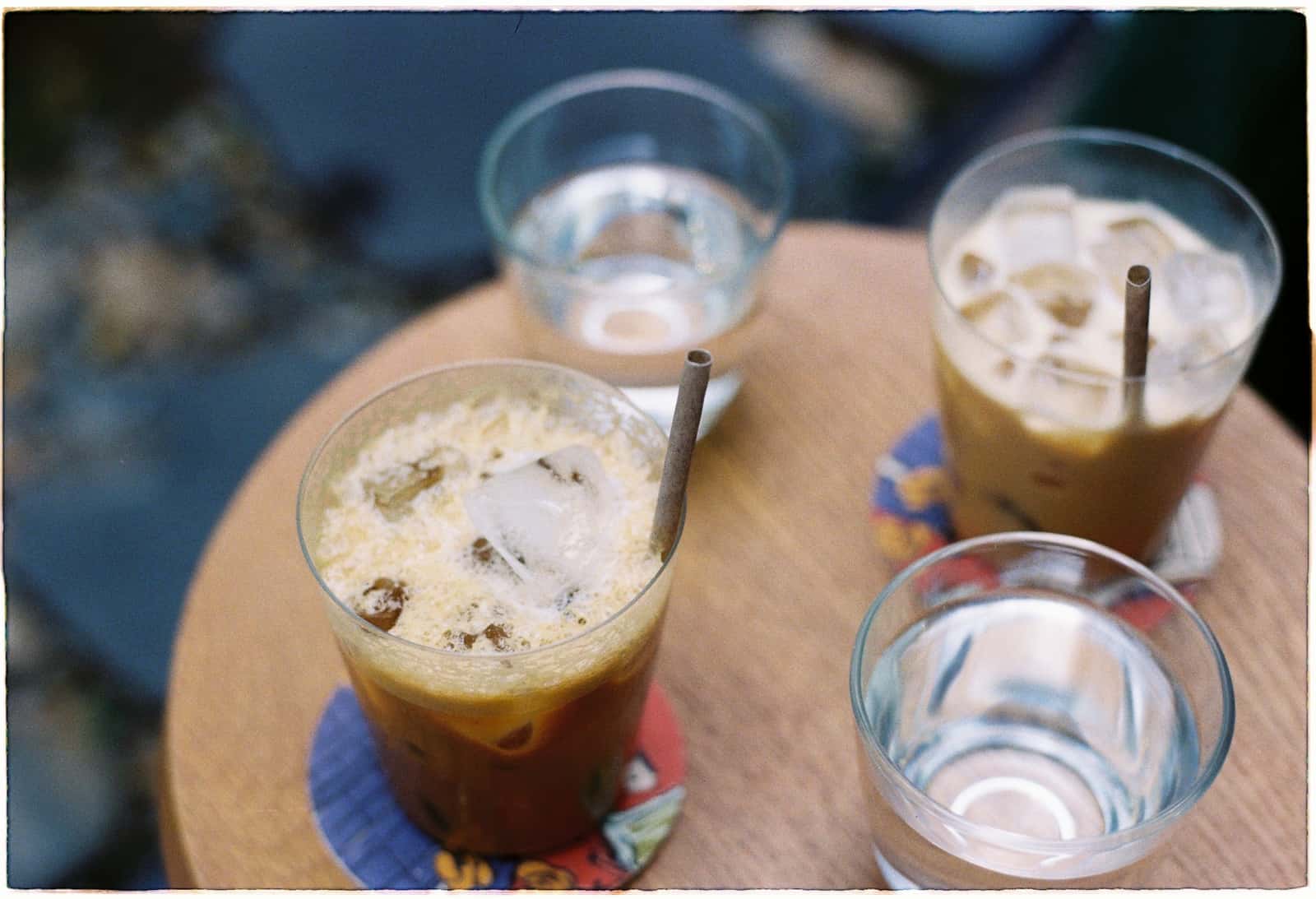
Use 1 to 1.25 inch cubes in a cocktail shaker, and fill the large tin roughly three-quarters full - which for most 28 oz tins means five or six cubes rather than a scattered handful. Cubes that size are big enough to survive a ten-second shake without disintegrating and small enough to present a lot of chilling surface quickly, which is the balance a shake needs. Do not shake with the single large 2-inch rock: that goes in the glass afterwards. Do not shake with crushed or nugget ice either, unless you are deliberately making a swizzle, because it melts into the drink almost instantly. The most common mistake is not size at all - it is quantity. A half-filled shaker warms up instead of chilling, and the result is a tepid, watery drink.
We earn a commission if you buy through the links on this page, at no extra cost to you. It never changes which product we pick. How we are funded.
Quick picks
| # | Product | Best for | Price |
|---|---|---|---|
| 1 | 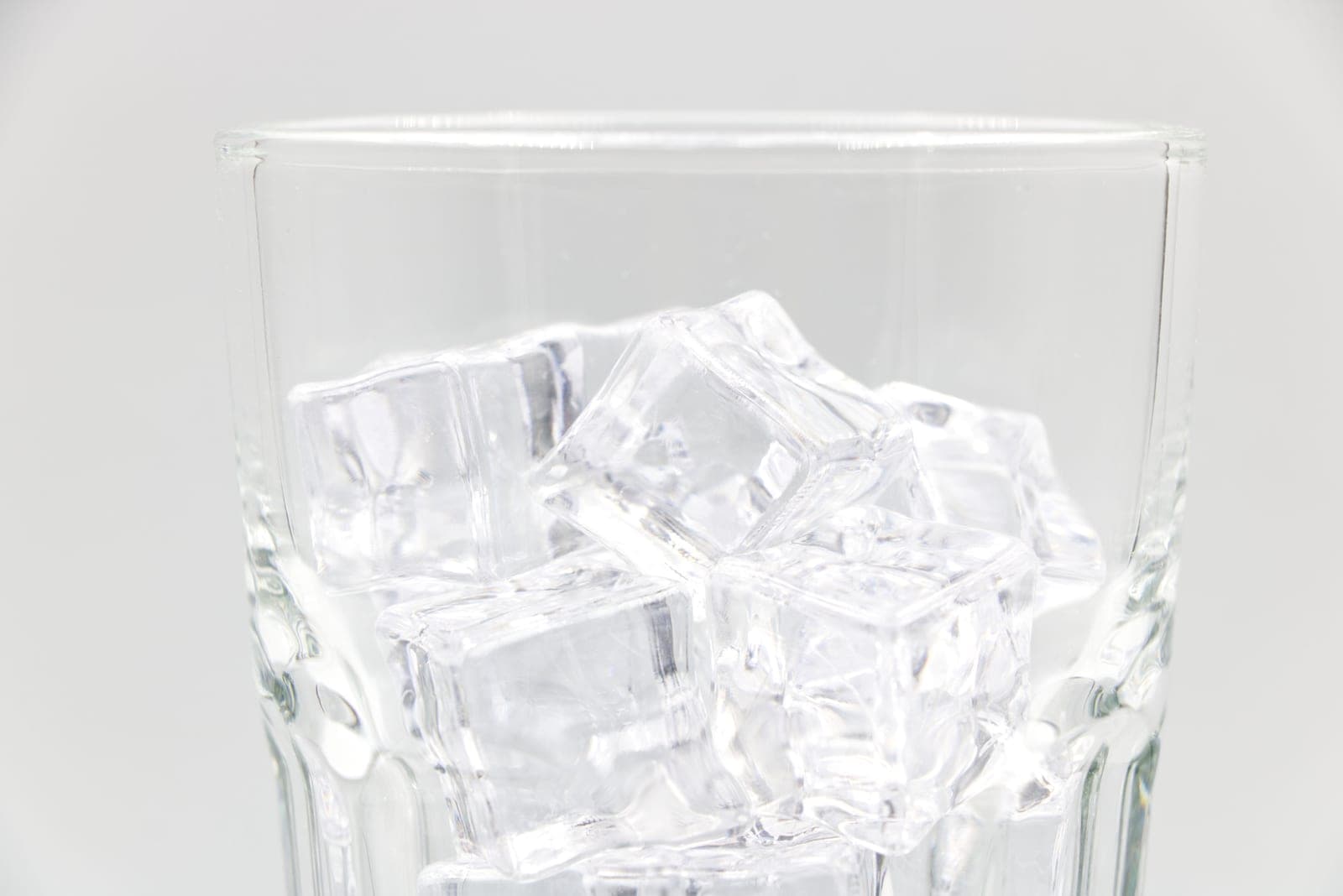 True Cubes Clear Ice Cube Tray Dense cubes from the freezer you own | First clear-ice upgrade | |
| 2 | 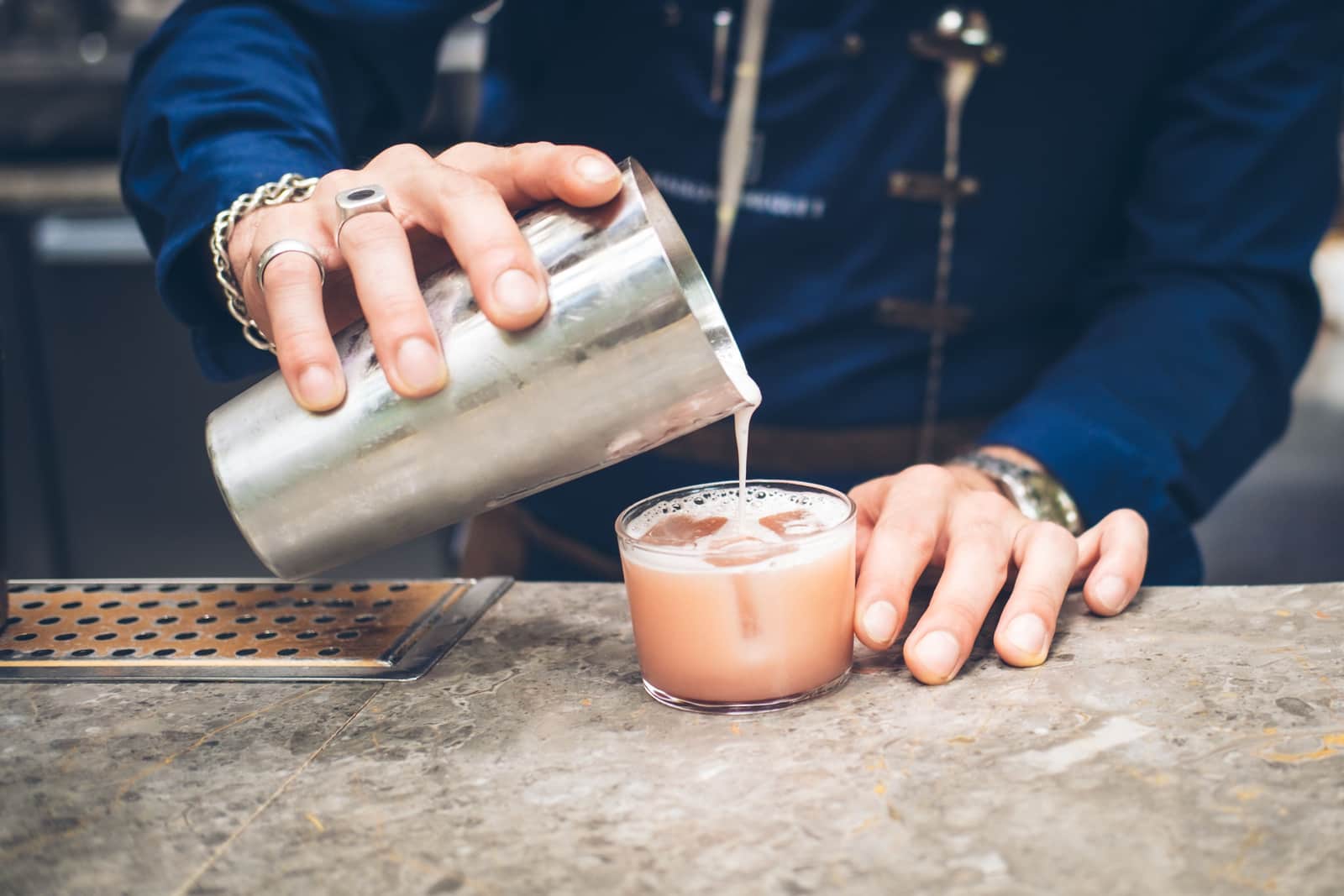 Cocktail Kingdom Koriko Weighted Shaking Tins The tin to measure against | The default upgrade | |
| 3 | 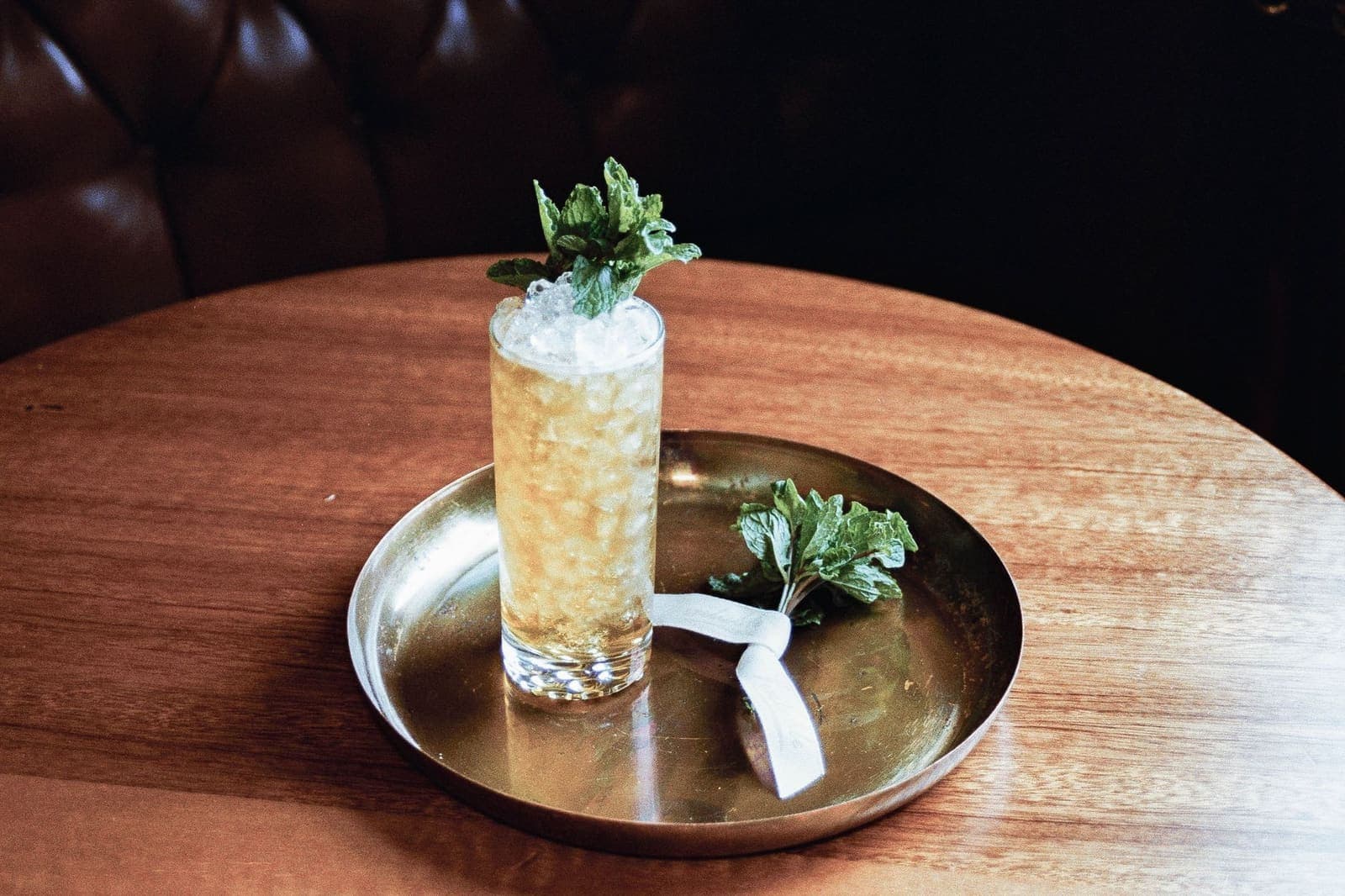 Barfly Wood Ice Mallet with Lewis Canvas Bag For the drinks that do want small ice | Dry crushed ice at home |
Scroll the table sideways on a narrow screen. Prices are set by the retailer and change, so every price link opens the current listing rather than quoting a number here.
The numbers
Size and quantity, by what you are making
There is no single right cube, but the useful ranges are narrow. The table is what to reach for.
| Ice | Size | Use it for | In the shaker? |
|---|---|---|---|
| Standard cube | 1 to 1.25 in | Every shaken drink | Yes - this is the default |
| Cracked large cube | Pieces of a 2 in cube | Shaking, when that is the ice you have | Yes |
| Large rock / sphere | 2 in or 60 mm | Old fashioned, whiskey on the rocks | No - it goes in the glass |
| Crushed | Chips | Juleps, swizzles, tiki | Only by intent |
| Nugget | Pellets | Highballs, sodas, iced coffee | No |
| Freezer-tray crescents | Thin, hollow, wet | Nothing, if you can avoid it | Works badly |
On quantity: fill the large tin about three-quarters. You want ice above the liquid line, because the cubes need room to travel - a shake is the ice moving through the drink, not the drink sloshing around some ice.
The mechanism
Why small wet ice makes a bad drink
Shaking is heat exchange plus controlled dilution. Both happen at the surface of the ice, so surface area sets the speed. Small cubes have a lot of surface area per unit of mass, which sounds good until you notice what else it means: they melt fast, and melting is dilution.
Two cubes of the same mass behave completely differently depending on their condition. A dense, dry, properly frozen cube at around minus 18C has cold capacity below the freezing point - it has to warm up before it starts melting at all, so it chills before it waters. A wet cube sitting at 0C with a film of water on it has no such buffer. It dilutes from the first second.
- Too small: disintegrates in four seconds, over-dilutes, leaves shards that slip past the strainer.
- Too large: not enough surface area to chill in a ten-second shake, so the drink is under-chilled and under-diluted.
- Too wet: no temperature buffer, so melting starts immediately. This is the one that ruins most home drinks.
- Too few: the tin warms up, the ice vanishes and you get a watery drink that was never actually cold.
That last point is why ice is the first upgrade we recommend on this site, ahead of almost any tool. Best ice for whiskey covers the glass side of the same question, and directional freezing explained covers why dense ice is a mechanism rather than a brand.
If you have the wrong ice
Making freezer-tray ice work
- Freeze a day ahead, not an hour. Ice needs time to equalise down to freezer temperature. Fresh ice is wet ice.
- Keep it in a lidded container, not the tray. Open trays sublimate and pick up freezer smells, and the surfaces glaze wet every time the door opens.
- Dump the meltwater before you shake. Pour the cubes into the tin, tip the water out, then build the drink. That one second removes the film that starts the dilution.
- Use more than feels right. Three-quarters of the large tin. If the ice is weak, quantity is how you compensate.
- Crack a big cube rather than using small ones. The back of a bar spoon on a 2-inch cube gives you dense irregular pieces, which beat hollow crescents every time.
A warm tin is the hidden version of the same problem. Steel pulled from a dishwasher cycle is at 50C or more, and it will melt the first cube before you have measured anything. Rinse the tin cold first - see how to clean bar tools.
Shaker and glass
Two different pieces of ice in one drink
This is the distinction that most quietly improves home drinks. The ice you shake with is a consumable - it does the work and then you throw it away. The ice in the glass is a component of the finished drink, and it has an entirely different job: melt as slowly as possible so the drink holds its balance for twenty minutes.
So a shaken drink served over ice gets 1-inch cubes in the tin and a single large rock in the glass. A shaken drink served up - a daiquiri, a sidecar, an espresso martini - gets the same cubes in the tin and no ice at all in the glass, which means the glass itself has to be cold. Freezer, five minutes, every time.
How to shake a cocktail covers the shake itself, what size cocktail shaker covers the tin, and best clear ice molds covers making the single large rock for the glass.
The exceptions
When you do want small ice in the shaker
Two cases. A dry shake - egg white, or the first shake of a whisky sour - uses no ice at all, because the point is emulsification rather than chilling; the ice goes in for the second shake. And a few drinks are supposed to be slushy: a swizzle, a julep, a tiki build poured ice and all into the glass. For those, crushed ice in the tin or the glass is the recipe rather than a mistake.
Everything else wants 1 to 1.25 inch cubes, dense and dry, filling the large tin to about three-quarters. How to make crushed ice covers the exceptions properly.
The picks in full
Every pick, and who each one is for
01 · Dense cubes from the freezer you own
True Cubes Clear Ice Cube Tray
True Cubes · Entry tier
The cheapest honest route to genuinely clear 2-inch cubes, and the one most people should buy first.
Four clear 2-inch cubes per cycle, which you can crack down to shaking size with the back of a bar spoon. Dense, dry ice that survives a hard shake instead of shattering into slush in the first four seconds.
The specs that decide it
- Output:
- 4 cubes per cycle
- Cube size:
- roughly 2 in
- Method:
- insulated directional freezing
- Freezer time:
- about 18 to 24 hours
Who it is for
- Directional freezing done properly in an insulated shell, so the cloud collects in the sacrificial base
- Fits a standard freezer shelf without rearranging everything
- Nothing to plug in, nothing to service
Where it gives ground
- One cycle a day, so four cubes is your ceiling unless you buy two
- The base block has to be discarded or crushed each cycle
Skip this one if you routinely host more than two people, or you want ice on demand rather than ice you planned for yesterday.
02 · The tin to measure against
Cocktail Kingdom Koriko Weighted Shaking Tins
Cocktail Kingdom · Mid tier
The tins most working bartenders reach for, and the shortest path out of a shaker that sticks.
An 18 oz and 28 oz pair. Fill the large tin about three-quarters with cubes and the ice-to-liquid ratio comes out right for two drinks without doing arithmetic - which is why this format is the one bars standardised on.
The specs that decide it
- Set:
- 18 oz and 28 oz
- Capacity:
- about 2 drinks
- Base:
- weighted
- Material:
- stainless steel
Who it is for
- The taper is cut so the pair seals with a tap and breaks with a palm strike, every time
- Weighted bases keep an empty tin from skating across the counter
- Cheap enough to own two pairs, which is how you actually make four drinks
Where it gives ground
- The seal is tight by design and feels alarming for the first week
- Bare steel shows fingerprints immediately
Skip this one if you want a one-piece shaker you can hand to a guest. Tins are a two-handed tool and they reward practice.
03 · For the drinks that do want small ice
Barfly Wood Ice Mallet with Lewis Canvas Bag
Barfly by Mercer · Entry tier
A canvas bag and a wood mallet make better crushed ice than any blender, because the canvas wicks the meltwater away while you work.
A canvas Lewis bag and wood mallet, for the juleps, swizzles and tiki drinks that are supposed to be served on crushed ice. The canvas wicks the meltwater away, so the crushed ice comes out dry rather than slushy.
The specs that decide it
- Bag:
- canvas, around 17.75 x 8.25 in
- Mallet:
- wood, around 13.5 in
- Care:
- bag is machine washable
- Output:
- cracked to flaked, by how long you hit it
Who it is for
- Canvas absorbs meltwater, so the ice leaves the bag dry rather than as slush
- You control the grade - a few strikes for cracked ice, thirty seconds for a julep pack
- Nothing to break, nothing to plug in, and it stores flat in a drawer
Where it gives ground
- It is manual work, and a full julep's worth is a real minute of hitting a bag
- The bag has to dry fully between uses or it will start to smell
Skip this one if you want chewable ice on tap. That is a nugget machine, not a bag and a mallet.
Questions
Related questions
- What size ice should you use in a cocktail shaker?
- Cubes of about 1 to 1.25 inches. That size survives a ten-second shake without disintegrating while still presenting enough surface area to chill fast. Save the 2-inch rock for the glass, and keep crushed or nugget ice out of the shaker unless the drink specifically calls for it.
- How much ice goes in a cocktail shaker?
- Fill the large tin about three-quarters full - typically five or six cubes in a 28 oz tin. A half-empty shaker warms up rather than chilling, which produces a tepid, watery drink. Too little ice is a more common mistake than the wrong size.
- Can you use crushed ice in a cocktail shaker?
- Only for drinks that are meant to be slushy - swizzles, juleps, some tiki builds. In a normal shaken cocktail, crushed ice melts almost immediately and over-dilutes the drink before it is properly cold.
- Should you use clear ice in a cocktail shaker?
- Clarity does not matter in the shaker because that ice gets discarded. Density and dryness do: clear ice happens to be dense and dry, which is why cracking a clear 2-inch cube down to shaking size produces a better shake than hollow freezer-tray crescents.
- Why is my shaken cocktail watery?
- Usually wet ice, too little ice, or a warm tin. Ice straight from a tray carries a film of meltwater that dilutes from the first second, a half-filled tin warms up instead of chilling, and steel out of a hot dishwasher melts the first cube before you start. Fix those three before blaming the recipe.
Read next
Related reading
- Shakers and strainers
Weighted tins, cobblers and strainers, ranked on the thing that actually matters: whether the seal behaves.
- How to shake a cocktail
Sealing, the shake itself, when to stop, and breaking the seal in one motion - plus dry shake and whip.
- What size cocktail shaker do you need
Why 18 and 28 is the pairing, what a tin really holds with ice, and why two pairs beat one big one.
- Best cocktail shakers for beginners
A cobbler for the first drink, weighted tins for the hundredth - four picks that forgive a learning curve.
- Best ice for whiskey
Size, shape and clarity ranked by how much each actually changes a whiskey pour - including when to skip the ice.
- How to make crushed ice at home
A canvas bag, a wood mallet and forty seconds make drier, better-packing crushed ice than any blender.