Guide
How to clean bar tools
Most bar tools fail from neglect rather than use. Citrus is corrosive, a Hawthorne spring traps pulp, and a plated finish does not survive a dishwasher - here is the routine that keeps a good set working.
By Michael W. · Published October 2026
The short answer
Rinse everything in warm water the moment you finish, before the citrus dries. Uncoated stainless tins, jiggers and bar spoons can go in the dishwasher, but they will dull - hand washing keeps the finish. Never put a plated or coated tool, a wooden muddler, or a cut-pattern mixing glass in a dishwasher. Pull the spring off a Hawthorne strainer weekly and wash it separately, because that coil holds pulp no rinse reaches. Cloudy, filmy steel is limescale, not damage, and a ten-minute soak in equal parts white vinegar and warm water removes it.
We earn a commission if you buy through the links on this page, at no extra cost to you. It never changes which product we pick. How we are funded.
Quick picks
| # | Product | Best for | Price |
|---|---|---|---|
| 1 | 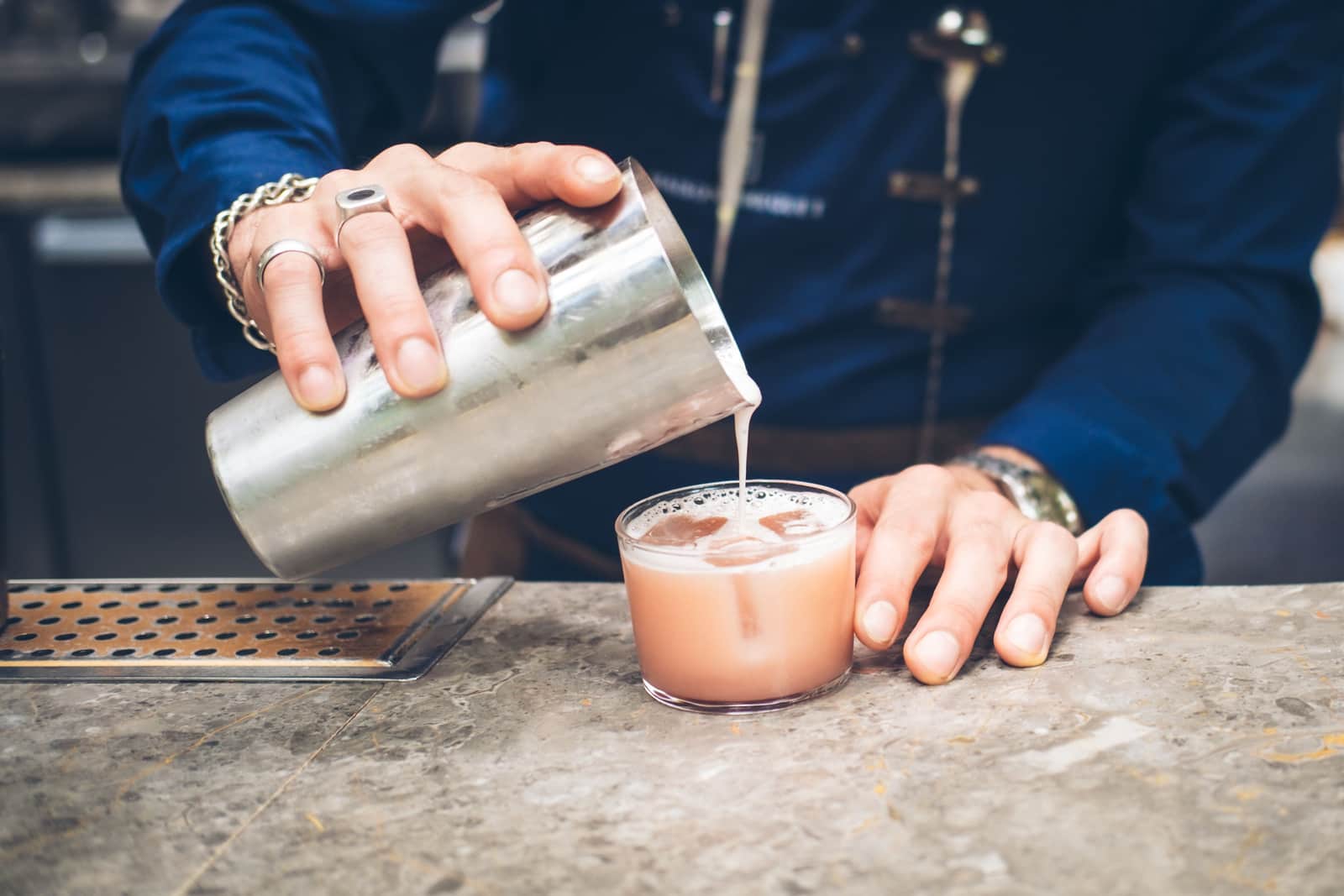 Cocktail Kingdom Koriko Weighted Shaking Tins What good steel looks like | The default upgrade | |
| 2 | 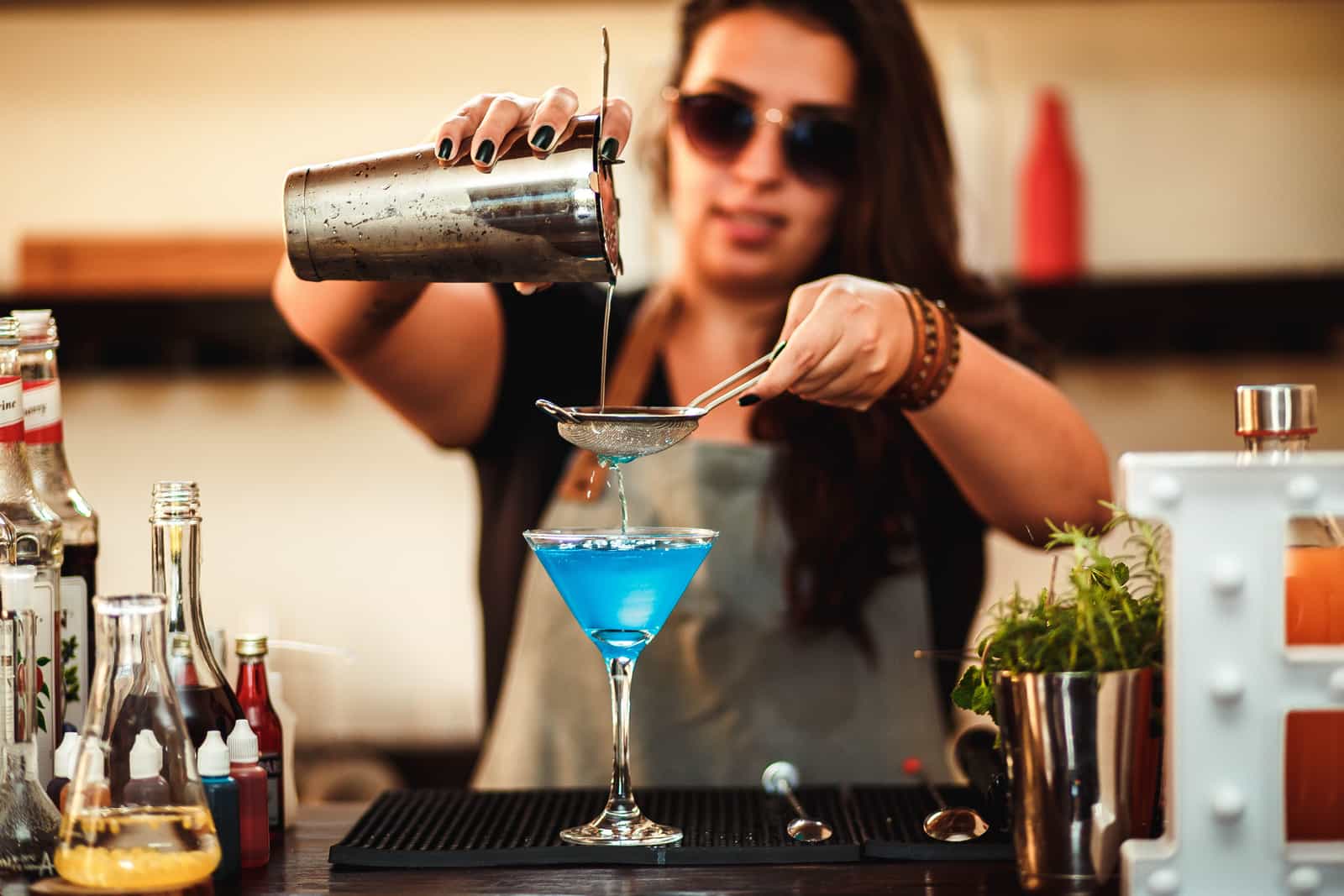 Cocktail Kingdom Koriko Hawthorne Strainer The one to take apart | Shaken drinks | |
| 3 |  Cocktail Kingdom Yarai Mixing Glass 500ml The one to hand wash | The default mixing glass |
Scroll the table sideways on a narrow screen. Prices are set by the retailer and change, so every price link opens the current listing rather than quoting a number here.
The main thing
Citrus is the thing you are actually washing off
Stainless steel resists corrosion because of a thin chromium oxide layer on the surface. Citric acid attacks that layer, and dried citrus pulp holds the acid against the metal for hours. That is how a cheap tin develops pitting, how a Hawthorne spring picks up rust spots at the coil ends, and how a jigger's interior goes dull and spotted while the outside still looks fine.
Which makes the single most valuable habit a thirty-second one: rinse in warm water straight after the last drink, not when you tidy up in the morning. That does more for the life of a bar set than any product, and it is why bars rinse into a sink between every build.
The second habit is drying. Water left standing in the base of a tin or inside a jigger cone leaves mineral deposits as it evaporates, and those deposits are the cloudy film people mistake for scratched metal. Invert everything on a rack.
By tool
What goes in the dishwasher, and what never does
| Tool | Dishwasher | Why |
|---|---|---|
| Uncoated stainless tins | Yes, but it dulls them | No coating to lose; detergent slowly matts the finish |
| Plated or coated tins | No | Plating lifts and pits - this is permanent |
| Hawthorne strainer | No | The spring traps detergent and pulp; wash it off the frame |
| Fine mesh strainer | No | Mesh clogs and deforms against a rack |
| Jiggers, bar spoons | Yes | Rinse first; citrus residue is the real issue |
| Wooden muddler | Never | Wood dries out, swells and checks along the grain |
| Nylon-headed muddler | Yes | Dishwasher safe by design |
| Cut-pattern mixing glass | No | Thermal shock and knocks - the base is where it cracks |
| Crystal glassware | No | Clouds over time; thin stems snap in racks |
The plated-finish row is the expensive one. Copper, gunmetal and black-coated tins and strainers look superb and are a wear item by nature - a dishwasher accelerates that from years into months. If your set is plated, hand washing is not fussiness, it is the condition of ownership. Koriko vs Barfly goes into why finish choice is a long-term decision.
The routine
The five-minute routine after a night of drinks
- Rinse immediately, warm water. Everything, including the outside of the tins where someone's hand has been. Hot water is unnecessary and it bakes sugar on.
- Unclip the Hawthorne spring. Pull it off the frame, rinse both, and run a thumb along the coil. If you feel grit, soak it.
- Flush the fine mesh from the back. Water through the clean side pushes pulp out. Water through the dirty side drives it in.
- Invert everything to dry. Tins, jiggers and mixing glass upside down on a rack. Standing water is where the cloudy film comes from.
- Dry the wood by hand. A wooden muddler or a wood-handled strainer gets towel-dried immediately and left out, never put away damp.
Once a week, take the Hawthorne spring right off and leave it in warm soapy water for ten minutes while you do the rest. That coil holds more than you would believe, and it is the part of a bar set that starts to smell first.
Fixes
Cloudy steel, sticky tins and a smell you cannot place
Three problems that look like damage and are not:
- Cloudy, filmy steel. Limescale from hard water drying on the surface. Soak in equal parts white vinegar and warm water for ten minutes, rinse thoroughly, dry. Do not use a scouring pad - that is how you turn a cosmetic film into real scratches.
- Rust-colored spots on a strainer spring. Usually transferred iron from a sink or a drying rack rather than the steel itself failing. The same vinegar soak lifts it. If it returns in the same places, the spring has started to pit and the strainer is nearing the end of its life.
- A faint sour smell. Pulp in a spring coil, or a damp wooden muddler. Both are solved by taking the thing apart and drying it properly rather than by washing it harder.
One problem that is mechanical rather than hygienic: tins that have started sticking shut or leaking. That is almost never dirt - it is a deformed rim or a mismatched pair, and washing will not fix it. Why shaker tins stick and leak works through the causes in order.
Storage
Storing tools so they stay clean
Two things undo a good cleaning routine. The first is nesting tins while they are still damp: a 28oz with an 18oz inside it traps moisture in the join and that is where the dull ring at the base comes from. Store them apart, or store them nested only once bone dry.
The second is a drawer. Tools loose in a drawer knock against each other, which marks plating and bends a Hawthorne spring out of its seat. A bar mat or a tool roll on the surface is better in every way, and it also means the tools are to hand, which is the thing that decides whether a bar gets used at all. Best bar cart accessories covers the mat, and how to stock a bar cart covers the layout.
Glassware is its own case: store rocks glasses and coupes upright, not rim-down. Rim-down traps stale air and it puts the whole weight of the glass on its most fragile edge. Best coupe glasses covers washing stemware without breaking it.
The picks in full
Every pick, and who each one is for
01 · What good steel looks like
Cocktail Kingdom Koriko Weighted Shaking Tins
Cocktail Kingdom · Mid tier
The tins most working bartenders reach for, and the shortest path out of a shaker that sticks.
Uncoated 18/8 stainless with no plating to wear through, which is exactly what makes a pair of tins survivable long-term. There is no finish to lose, so the worst a decade of washing does is dull the shine.
The specs that decide it
- Set:
- 18 oz and 28 oz
- Capacity:
- about 2 drinks
- Base:
- weighted
- Material:
- stainless steel
Who it is for
- The taper is cut so the pair seals with a tap and breaks with a palm strike, every time
- Weighted bases keep an empty tin from skating across the counter
- Cheap enough to own two pairs, which is how you actually make four drinks
Where it gives ground
- The seal is tight by design and feels alarming for the first week
- Bare steel shows fingerprints immediately
Skip this one if you want a one-piece shaker you can hand to a guest. Tins are a two-handed tool and they reward practice.
02 · The one to take apart
Cocktail Kingdom Koriko Hawthorne Strainer
Cocktail Kingdom · Mid tier
A tight spring and a body that actually sits down in the tin, which is the whole job of a Hawthorne.
A Hawthorne's spring unclips and comes off, which is the single most useful cleaning feature on any bar tool. A strainer whose spring is fixed in place cannot be properly cleaned, and pulp under a coil is where a bar set starts to smell.
The specs that decide it
- Type:
- Hawthorne
- Spring:
- dense coil, removable
- Fit:
- seats in both 18 oz and 28 oz tins
- Material:
- stainless steel
Who it is for
- The spring is dense enough to hold back shaken citrus pulp without a second strainer
- Gate control is precise, so you can open it up for a shaken drink and close it for a stirred one
- Spring comes out for cleaning, which cheap strainers do not allow
Where it gives ground
- Still not a substitute for a fine mesh when you want a genuinely silky texture
- The gate tab is small if you have large hands
Skip this one if you only stir. A julep strainer is the better and cheaper tool for a mixing glass.
03 · The one to hand wash
Cocktail Kingdom Yarai Mixing Glass 500ml
Cocktail Kingdom · Mid tier
The industry workhorse: heavy, cut, and sized for one or two drinks without a wall of leftover dilution.
A thick cut-pattern mixing glass is the piece most likely to be damaged by well-meant cleaning. Thermal shock from a hot dishwasher cycle, or a knock against a rack, is how the base cracks. Warm water, a soft brush, air dry.
The specs that decide it
- Capacity:
- 500 ml (about 17 oz)
- Capacity in drinks:
- 1 to 2
- Pattern:
- Yarai cut
- Base:
- heavy, weighted
Who it is for
- Mass is the point - a heavy glass does not travel across the counter while you stir
- The cut gives grip that a smooth beaker does not
- Spout pours clean, which sounds trivial until you use one that does not
Where it gives ground
- Glass, on a counter, near ice - it is a breakable in a wet environment
- 500 ml gets tight with two drinks and a full ice charge
Skip this one if you regularly build three or four stirred drinks at once. Step up to the 675 ml seamless.
Questions
Related questions
- Can you put a cocktail shaker in the dishwasher?
- Uncoated stainless tins can go in, but detergent and heat will slowly dull the finish. Plated or coated tins - copper, gunmetal, black - must never go in a dishwasher: the plating lifts and pits, and that damage is permanent.
- How do you clean a Hawthorne strainer properly?
- Unclip the spring from the frame and wash the two separately. The coil traps citrus pulp that no amount of rinsing through the assembled strainer will reach, and that trapped pulp is the usual source of a sour smell in a bar set.
- Why is my stainless steel bar set cloudy?
- Limescale from hard water drying on the surface, not damage. Soak the tools for ten minutes in equal parts white vinegar and warm water, rinse thoroughly and dry. Do not use a scouring pad - that converts a cosmetic film into real scratches.
- How do you care for a wooden muddler?
- Hand wash in warm water with no soaking, towel dry immediately, and leave it in the air before putting it away. Wood that stays damp swells and then checks along the grain, and a dishwasher cycle will do that in one pass.
- Should you store shaker tins nested?
- Only once they are bone dry. Nesting a damp 18oz inside a 28oz traps moisture in the join, and that is where the dull ring at the base of the larger tin comes from.
Read next
Related reading
- Shakers and strainers
Weighted tins, cobblers and strainers, ranked on the thing that actually matters: whether the seal behaves.
- Why shaker tins stick and leak
Sticking is the seal working, leaking is the seal failing. How to tell a technique problem from a bad pair.
- Best cocktail strainers
Hawthorne, julep and fine mesh compared on spring density, fit and gate control - and what double straining fixes.
- Koriko vs Barfly
The bar-standard pair against the one with every finish. Consistency, gauge and what plating costs.
- Best mixing glasses
Capacity, mass, seam and spout compared - and why a pint glass is worse at every part of the job.
- Best bar cart accessories
The three accessories that change how a cart works, and the popular ones that get used twice.