Guide
How to use a Hawthorne strainer
Coil toward the ice, index finger on the gate, and pour from the tin you shook in. Two minutes of technique that removes most of the mess from a home bar.
By Michael W. · Published October 2026

The short answer
Seat the Hawthorne in the large shaking tin with the spring coil facing the ice and the flat plate facing you, put your index finger on the raised gate tab, and pour in one motion holding tin and strainer together with the same hand. The coil is what gates the ice, so it must sit against the inside wall of the tin all the way round - if it sits proud, ice gets past. The gate tab slides the plate to widen or narrow the opening: open for a fast clean pour, narrowed when the drink has solids in it or you want control at the end of the pour. The spring should be tight enough that the coil does not wander when you shake the strainer, and loose enough that you can fit it in both a 28 oz tin and a mixing glass. If ice is reaching your glass, the problem is almost always the coil seating rather than the strainer.
We earn a commission if you buy through the links on this page, at no extra cost to you. It never changes which product we pick. How we are funded.
Quick picks
| # | Product | Best for | Price |
|---|---|---|---|
| 1 |  Cocktail Kingdom Koriko Hawthorne Strainer The Hawthorne to learn on | Shaken drinks | |
| 2 | Barfly Heavy-Duty Spring Bar Strainer Heavy gauge, finish range | Matching an existing set | |
| 3 |  OXO Steel Cocktail Strainer The cheap one that works | A first Hawthorne | |
| 4 | 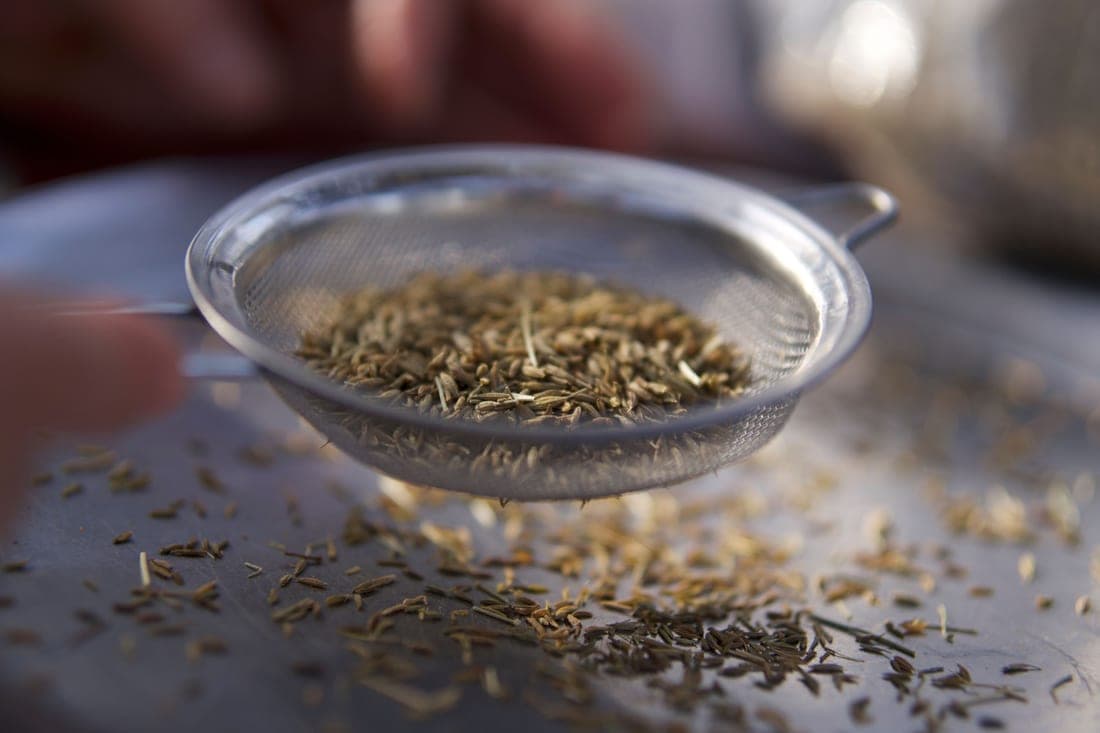 Barfly Fine Mesh Strainer The second strainer | Double straining |
Scroll the table sideways on a narrow screen. Prices are set by the retailer and change, so every price link opens the current listing rather than quoting a number here.
The anatomy
What the parts are for
A Hawthorne is four things: a perforated plate, a spring coil fixed round its edge, a handle, and two or three prongs on the underside. Each has a job, and most mistakes come from misunderstanding one of them.
- The coil is the strainer. It fills the gap between the plate and the tin wall, and it is the part that actually holds ice back. Everything about seating a Hawthorne is about getting the coil against the wall all the way round.
- The plate is a flow controller rather than a filter. Its perforations let liquid through, and sliding the plate relative to the coil widens or narrows the main opening.
- The prongs on the underside rest on the tin rim and set the depth, so the plate sits at a consistent height rather than dropping into the drink.
- The gate tab is the raised piece on the plate's edge. Pushing it with your index finger moves the plate and changes the opening.
A Hawthorne is not a fine filter and was never meant to be. It gates ice. The gap at the coil is a few millimeters, which is a wall to an ice cube and an open door to a lime pip - which is why shaken citrus drinks get a second strainer. When to double strain a cocktail is that decision in full.
The method
Pouring from a shaking tin, step by step
- Break the shaker seal properly first. Heel of the hand on the large tin at the widest point of the join, not a pull. Set the small tin aside. Why shaker tins stick and leak covers this.
- Drop the Hawthorne in coil-down, plate up. The coil goes toward the ice. The flat side faces you. Press it down until the prongs find the rim.
- Check the coil all the way round. Look at the join between coil and tin wall. If you can see a gap anywhere, lift and re-seat. A proud coil is the only reason ice reaches a glass.
- Grip tin and strainer as one object. Thumb or index finger on the gate tab, remaining fingers wrapped round the tin. The strainer should not be able to move relative to the tin.
- Pour in one motion, medium speed. Tip from the side of the tin, not the back. One continuous pour reads as control; three dribbles do not.
- Use the gate at the end. Narrowing the gate as the tin empties slows the last ounce, which is where splashing and ice escape both happen.
If you are double straining, hold the mesh in the other hand over the glass and pour through both. If you are not, the Hawthorne does the whole job and the only thing left is not pouring too fast.
The gate
What the adjustable plate is actually for
Most home users never move the gate, which is a shame because it is the one feature a Hawthorne has that a julep strainer does not.
| Gate position | Effect | Use it for |
|---|---|---|
| Wide open | Fastest flow | A clean drink, no solids, full pour |
| Half | Slower, tighter gating | Shaken drinks with pulp or herbs |
| Nearly closed | Trickle, maximum gating | The last ounce; controlling a split pour |
| Pushed hard open against the coil | Ice can slip past | Never deliberately |
The practical habit worth building: start the pour wide open and close the gate with your index finger as the tin empties. That is how you finish a pour without a shard of ice landing on top of a drink you just strained.
Troubleshooting
What the symptom is telling you
- Ice gets into the glass: the coil is not seated against the wall all the way round, or the spring has loosened. Re-seat first; if it still happens, the spring has stretched and the strainer needs replacing.
- Pulp gets into the glass: that is normal. A Hawthorne does not stop pulp. Add a fine mesh.
- The strainer falls into the tin mid-pour: you are gripping the tin only. Hold both as one object with a finger on the gate.
- Pour splashes out sideways: pouring too fast, or tipping from the back of the tin rather than the side. Slow down and rotate the tin.
- Spring will not fit a mixing glass: Hawthornes vary and some are sized for tins only. A julep strainer is the correct tool for a mixing glass anyway - see hawthorne vs julep strainer.
- Coil comes off in the sink: the spring unhooks. It pushes back on; if it keeps happening, that spring is done.
Care
The spring is the part that dies
Everything about a Hawthorne lasts indefinitely except the spring, and the spring fails in two ways. It stretches, which widens the coil until it no longer fills the gap, and it traps residue in the coil, which is both unpleasant and a reason people throw them away.
Pull the spring off and wash it separately. It unhooks and rehooks in a few seconds, and running water through a coiled spring without removing it does very little - citrus pulp and sugar sit inside the coil, which is exactly where you cannot see them. A dishwasher is fine for both parts; drying the spring matters more than drying the plate, because trapped water in a coil is what starts rust spots on cheaper strainers. How to clean bar tools covers the station, and best cocktail strainers covers the choice between types.
Springs are sold separately and cost very little. A Hawthorne with a stretched spring is not a dead strainer, it is a strainer that needs a two-dollar part.
The picks in full
Every pick, and who each one is for
01 · The Hawthorne to learn on
Cocktail Kingdom Koriko Hawthorne Strainer
Cocktail Kingdom · Mid tier
A tight spring and a body that actually sits down in the tin, which is the whole job of a Hawthorne.
Seats properly in a 28 oz tin with a spring tight enough that the coil stays put, and a gate tab positioned where an index finger naturally lands. The benchmark in this category because working bars buy it by the dozen.
The specs that decide it
- Type:
- Hawthorne
- Spring:
- dense coil, removable
- Fit:
- seats in both 18 oz and 28 oz tins
- Material:
- stainless steel
Who it is for
- The spring is dense enough to hold back shaken citrus pulp without a second strainer
- Gate control is precise, so you can open it up for a shaken drink and close it for a stirred one
- Spring comes out for cleaning, which cheap strainers do not allow
Where it gives ground
- Still not a substitute for a fine mesh when you want a genuinely silky texture
- The gate tab is small if you have large hands
Skip this one if you only stir. A julep strainer is the better and cheaper tool for a mixing glass.
02 · Heavy gauge, finish range
Barfly Heavy-Duty Spring Bar Strainer
Barfly by Mercer · Mid tier
A thick, heavy-gauge Hawthorne with a tight coil, sold in more finishes than anyone else offers.
Functionally equivalent for straining with a heavier plate, and available in the same finishes as Barfly's tins. The pick if the station lives in the open and you want it to match.
The specs that decide it
- Type:
- Hawthorne
- Length:
- about 6 in
- Material:
- 18/8 stainless steel
- Finishes:
- stainless, matte black, vintage and antique gold among others
Who it is for
- Heavy-gauge build that does not flex when you press the gate against a tin
- The coil is dense enough to hold back shaken citrus pulp without a second strainer
- The only Hawthorne you can realistically match to a copper, black or gold tool set
Where it gives ground
- Plated finishes are a wear item and will mark where the gate rubs
- Prong layout varies between the two-prong and four-prong versions - check which one the listing is
Skip this one if your tools are plain steel and you only want the most predictable seat in a tin. The Koriko is the safer default there.
03 · The cheap one that works
OXO Steel Cocktail Strainer
OXO · Entry tier
A dependable Hawthorne with a non-slip finger rest, and the easiest one to hand to somebody who has never used one.
A sensible first Hawthorne with a usable spring and a plate that seats in a standard tin. The honest entry point before deciding whether straining is something you care about to the dollar.
The specs that decide it
- Type:
- Hawthorne
- Material:
- 304 stainless steel
- Grip:
- non-slip finger rest
- Dishwasher:
- yes
Who it is for
- The finger rest is the detail that makes it forgiving - your thumb lands in the right place without being taught
- Fits snugly across most shaker tins and mixing glasses rather than being cut for one vessel
- Genuinely dishwasher tolerant, which bare-spring strainers often are not in practice
Where it gives ground
- The coil is not as dense as a Koriko, so fine pulp still gets through on a hard-shaken sour
- Plain enough that it reads as kitchen equipment on an open cart
Skip this one if you want the tightest spring available and you are willing to learn the grip. That is the Koriko.
04 · The second strainer
Barfly Fine Mesh Strainer
Barfly by Mercer · Entry tier
The second strainer that turns a gritty home shaken drink into a silky one, for very little money.
A Hawthorne stops ice, not pulp. For shaken citrus drinks served up you need a fine mesh under the pour as well - that pairing is what a clean daiquiri actually requires.
The specs that decide it
- Type:
- fine mesh, conical bowl
- Diameter:
- about 3.5 in
- Material:
- stainless steel
- Used with:
- held under the pour, alongside a Hawthorne
Who it is for
- Catches the ice fines and citrus pulp a Hawthorne spring lets through - the single biggest texture upgrade in a shaken drink
- A conical bowl drains faster than a flat one and does not trap liquid in the corners
- Small enough to hold in one hand while you pour with the other
Where it gives ground
- It is a second object and a second thing to wash, every single drink
- Mesh clogs with muddled herbs and wants rinsing immediately rather than later
Skip this one if you only stir. There is nothing in a stirred drink for a fine mesh to catch, and the extra step chills nothing.
Honest limits
What we could not verify
Coil gaps and spring tensions vary between models and are not published consistently by any maker, so the few-millimeters figure here is approximate. We have not run a controlled comparison of how much ice different Hawthornes pass. Whether a specific Hawthorne fits a specific mixing glass depends on both products - check before assuming it will.
We do not run a test lab and we have not personally used every product here. Where a judgment rests on published specifications or on what owners report rather than on our own hands, we say so. Read the full method.
Questions
Related questions
- Which way does a Hawthorne strainer go?
- Coil down, toward the ice; flat plate up, facing you. The prongs on the underside rest on the tin rim and set the depth. The coil is the part that holds ice back, so it has to sit against the inside wall of the tin all the way round.
- What is the spring on a Hawthorne strainer for?
- It fills the gap between the plate and the tin wall, which is what actually gates the ice. The plate's perforations let liquid through and the sliding plate controls flow, but the coil is the strainer. A stretched spring is the usual reason ice starts reaching the glass.
- What does the gate on a Hawthorne strainer do?
- Sliding the plate with the raised tab widens or narrows the main opening. Wide open gives the fastest pour for a clean drink; half closed gates solids more tightly; nearly closed slows the last ounce, which is where splashes and escaping ice happen.
- Does a Hawthorne strainer remove pulp?
- No. The gap at the coil is a few millimeters - a wall to an ice cube and an open door to a lime pip or a mint fleck. For shaken citrus or muddled drinks served up you need a fine mesh strainer under the pour as well.
- Can you use a Hawthorne strainer with a mixing glass?
- Some fit, many do not, and a julep strainer is the correct tool for a mixing glass anyway - it sits inside the glass rather than on the rim and it is quicker to use one-handed. Keep a Hawthorne for tins and a julep for the mixing glass.
- How do you clean a Hawthorne strainer?
- Unhook the spring and wash it separately. Citrus pulp and sugar sit inside the coil where water cannot reach it while it is fitted, and that is both unpleasant and the reason home strainers get replaced early. Dry the spring properly - trapped water in a coil starts the rust spots.
Read next
Related reading
- Shakers and strainers
Weighted tins, cobblers and strainers, ranked on the thing that actually matters: whether the seal behaves.
- Best cocktail strainers
Hawthorne, julep and fine mesh compared on spring density, fit and gate control - and what double straining fixes.
- Hawthorne vs julep strainer
Which strainer for shaken, which for stirred, why the spring is the product, and what double straining fixes.
- When to double strain a cocktail
Shaken, with something in it, served up - the three-part test for when a fine mesh earns its place.
- How to shake a cocktail
Sealing, the shake itself, when to stop, and breaking the seal in one motion - plus dry shake and whip.
- Why shaker tins stick and leak
Sticking is the seal working, leaking is the seal failing. How to tell a technique problem from a bad pair.