Guide
How to chill a cocktail glass
The free upgrade. A drink served up has nothing keeping it cold except the glass, which is why a warm coupe undoes a perfect stir in ninety seconds.
By Michael W. · Published October 2026
The short answer
The best way to chill a cocktail glass is the freezer: ten to fifteen minutes gets a coupe or martini glass properly cold, and five minutes is enough to make a real difference. If you have no freezer room or no notice, fill the glass with ice and cold water, swirl it, and leave it standing while you build the drink - two to three minutes does most of the work, and it is what bars do. Dump the ice and water, shake off the drops, then strain. Thin crystal chills faster and loses it faster; heavy pressed glass takes longer and holds longer. One rule overrides all of this: never chill a glass with ice alone. Ice on its own touches very little of the surface, and adding water is what turns a handful of cubes into a bath that actually transfers heat.
We earn a commission if you buy through the links on this page, at no extra cost to you. It never changes which product we pick. How we are funded.
Quick picks
| # | Product | Best for | Price |
|---|---|---|---|
| 1 | 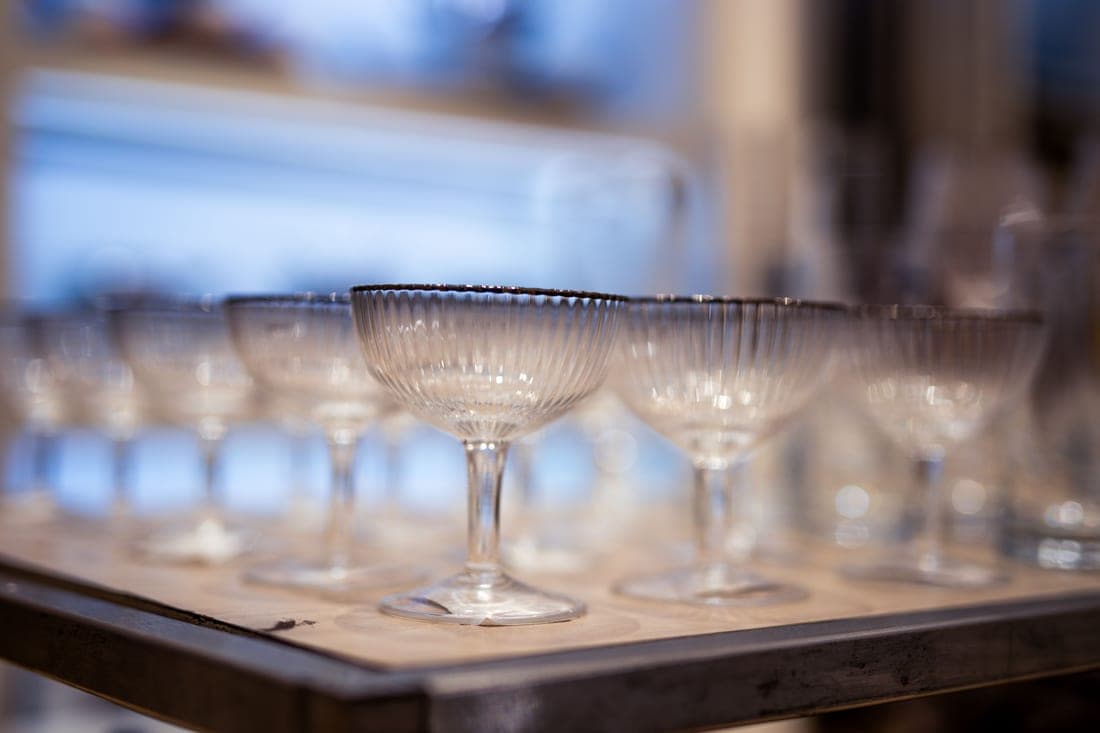 Schott Zwiesel Bar Special Martini Glasses Freezer-tolerant and thin-rimmed | A V bowl you can put in the dishwasher | |
| 2 | Libbey Signature Kentfield Coupe Glasses The pressed coupe you can chill a stack of | Everyday coupe | |
| 3 | 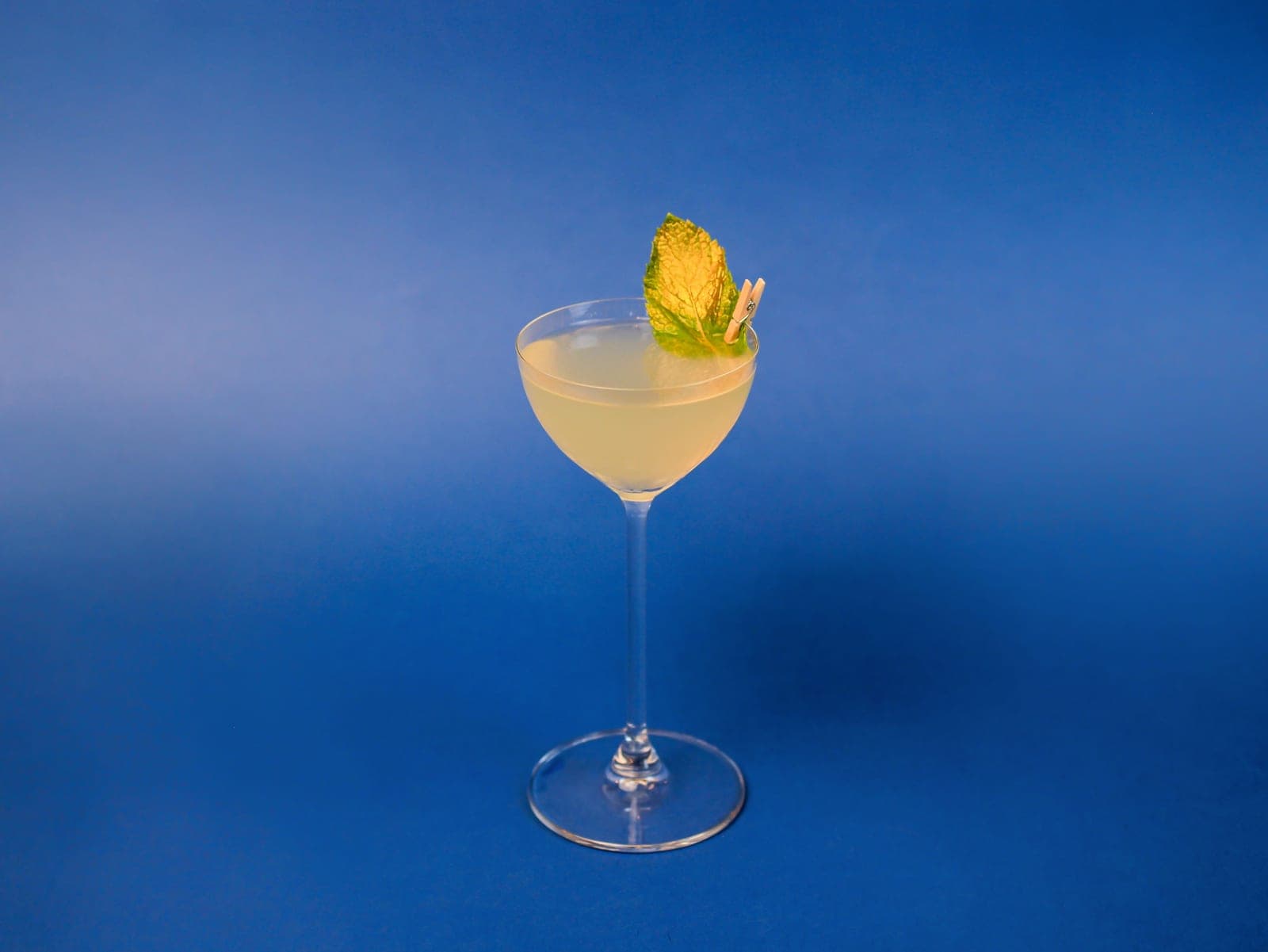 RIEDEL Drink Specific Glassware Nick & Nora Glass Holds a chill longest for its size | Spirit-forward serves |
Scroll the table sideways on a narrow screen. Prices are set by the retailer and change, so every price link opens the current listing rather than quoting a number here.
Why bother
What an unchilled glass actually costs you
A drink served up - a martini, a daiquiri, a Manhattan, an espresso martini - leaves the mixing glass or the shaker at somewhere around minus 2 to 2 C. The moment it is strained, nothing is cooling it any more. Everything from then on is the drink warming up, and the glass is the fastest route for that heat to arrive.
Glass has real thermal mass. A heavy pressed coupe at room temperature holds enough heat to measurably warm two or three ounces of liquid within the first minute, and the warming is front-loaded: the first sip is the one that matters, and it is the one that suffers most. That is why a properly chilled glass is the single highest-value free thing you can do to a cocktail - no equipment, no skill, no cost.
- It keeps the drink cold longer, which is the whole point of serving up.
- It stops condensation from running, because a cold glass frosts evenly rather than sweating into a puddle.
- It changes how the drink reads aromatically - cold suppresses ethanol harshness, so an under-chilled martini smells more alcoholic than a cold one of identical strength.
- It is visible. A frosted glass arriving at a table tells the drinker something before they taste it.
The methods
Four ways, with how long each takes
| Method | Time | Best for | Catch |
|---|---|---|---|
| Freezer | 10 to 15 min | Any glass, planned ahead | Needs freezer space and notice |
| Freezer, quick version | 5 min | One drink, mid-evening | Noticeably less cold, still worth it |
| Ice and cold water | 2 to 3 min | No notice, any number of glasses | You must dump and shake out the drops |
| Ice and water with a swirl | 60 to 90 sec | Service speed | Needs active swirling to work |
| Ice alone | Barely works | Nothing | Too little contact area - always add water |
| Crushed ice packed in | 2 min | Wide bowls | Melts into the glass; dump thoroughly |
The ice-and-water method is the one worth learning properly, because it works anywhere and it is fast. Fill the glass most of the way with ice, top it with cold water, and give it a swirl so the water moves against the walls. Moving water transfers heat far faster than still water, which is the same reason a stirred drink chills quicker than one left sitting on ice.
Leave it there while you measure and build. By the time the drink is stirred, the glass is cold and beaded on the outside. Dump the ice and water, give the glass one sharp flick to clear the drops, and strain. Those drops are the only real failure mode of this method: two teaspoons of meltwater in the bottom of a coupe is dilution you did not account for.
By material
How long different glasses take, and how long they hold
Two properties fight each other. Thin glass has little thermal mass, so it chills quickly and warms quickly. Thick glass takes longer to chill and then holds the cold. Which you want depends on whether you are making one drink or six.
- Thin crystal (coupe, Nick & Nora, martini): fast to chill, fast to lose it. Chill it last, serve immediately.
- Heavy pressed glass: slow to chill, holds longest. Put these in the freezer first when you are serving a round.
- Tritan and reinforced glass: chills like thin glass and survives freezer handling better than crystal. The best of both for a working home bar.
- Double-walled glass: do not freezer-chill. The sealed cavity is an insulator by design, which is the opposite of what you want, and thermal cycling is hard on a two-wall structure.
- Stemmed glasses in general: the stem is the point - it keeps your hand off the bowl, which undoes a chill faster than the room does.
Shape matters as much as material once the drink is in. A wide shallow coupe has a lot of liquid surface exposed to the room, so it warms faster than a narrow bell bowl holding the same volume. That is the real argument for a Nick & Nora over a coupe for spirit-forward drinks - Nick and Nora vs coupe covers it in full.
Mistakes
Five ways people get this wrong
- Ice with no water. A few cubes rattling in a bowl touch almost none of the glass. Add cold water and it becomes a heat exchanger instead of an ornament.
- Leaving meltwater in the glass. Dump it and flick the glass out. Otherwise you have added a quarter ounce of water to a carefully balanced three-ounce drink.
- Hot glass straight from a dishwasher. A glass at 50 C does not chill in five minutes and the thermal shock of a freezer on hot glass is a genuine risk. Let it come to room temperature first - see how to clean bar tools.
- Chilling a glass for a drink served over ice. A Negroni or an old fashioned has a large cube doing the work; chilling the glass is a small bonus rather than the main event. Spend the effort on glasses for drinks served up.
- Holding the bowl. All of this is undone by a warm palm wrapped round the outside. Hold stems by the stem, and tumblers low.
A freezer that frosts glasses white is not a problem - that is condensed humidity on a cold surface and it looks right. A freezer that leaves glasses smelling of the freezer is a problem: cover them or store them rim-down on a clean tray.
Hosting
Chilling six glasses when you have one freezer
The constraint at a party is never time, it is freezer volume. Stemmed glasses do not stack and a freezer shelf holds fewer coupes than you think. Two approaches work.
First, rotate. Put four glasses in at the start, pull two as you serve, and replace them. Fifteen minutes is plenty, and glasses coming out of a freezer at intervals is easier to manage than six glasses coming out at once anyway. Second, use a bus tub or a deep roasting tray: fill it with ice and water and stand the glasses rim-down in it. That chills the bowl, which is the part that matters, takes no freezer room and handles any number of glasses.
If you are batching the drink too, you have solved the whole problem - a pre-batched Manhattan in the fridge plus glasses chilling in a tray of ice water means service is a pour. Best glassware sets for a home bar covers owning enough glasses for that to be possible, and best ice buckets covers keeping the ice you need in reach.
The picks in full
Every pick, and who each one is for
01 · Freezer-tolerant and thin-rimmed
Schott Zwiesel Bar Special Martini Glasses
Schott Zwiesel · Mid tier
Tritan crystal in the restaurant shape, sold by the six and rated for repeated dishwasher cycles - the V glass to buy if you intend to use it rather than display it.
Titanium-reinforced Tritan, built for commercial dishwashing and robust enough to live in a freezer without the anxiety a crystal stem brings. A thin rim that survives real use is the hardest combination to find.
The specs that decide it
- Capacity:
- about 9 oz
- Height:
- about 7 in
- Material:
- Tritan crystal, titanium and zirconium reinforced
- Sold as:
- set of 6 (a set of 4 also exists)
- Made in:
- Germany
- Dishwasher:
- rated for repeated cycles
Who it is for
- Tritan survives a dishwasher rack, which no thin-rimmed crystal martini glass reliably does
- 9 oz is large enough for a garnish and small enough that the drink is still cold at the bottom
- Sold by the six, so it is a stocking purchase rather than a display pair
Where it gives ground
- Plainly styled to the point of anonymous - this is a bar glass, not a centerpiece
- The stem is short by martini standards, so your hand sits closer to the bowl than on a tall-stemmed glass
Skip this one if you want the glass to be the first thing a guest notices. Buy cut crystal and hand-wash it.
02 · The pressed coupe you can chill a stack of
Libbey Signature Kentfield Coupe Glasses
Libbey · Entry tier
A pulled stem and a 9 oz bowl - the sane size for a coupe, at a price that survives a dropped one.
Sold in sets, cheap enough that four live in the freezer during a party. Heavier glass takes longer to chill and holds the cold longer, which is the right trade for serving several drinks at once.
The specs that decide it
- Capacity:
- 9 oz
- Stem:
- pulled, not joined
- Bowl:
- classic rounded coupe
- Set:
- 4
Who it is for
- A pulled stem has no join to snap, which is where cheap stemware fails
- 9 oz holds a shaken drink plus foam without a full-to-the-rim carry
- US-made and consistently available, so you can replace one in a set
Where it gives ground
- Wide mouth means a shaken drink warms quickly - drink it briskly
- Plain bowl next to a cut or vintage coupe
Skip this one if you want a small 5 oz coupe for spirit-forward serves. This bowl is generous.
03 · Holds a chill longest for its size
RIEDEL Drink Specific Glassware Nick & Nora Glass
RIEDEL · The one worth stretching for
The bell bowl that made this shape mainstream again, and the safest carry of any stemmed cocktail glass.
A small bell bowl with a narrow mouth. Less surface area per ounce of drink than a coupe, which means a chilled Nick & Nora keeps a stirred cocktail cold to the last mouthful rather than the third.
The specs that decide it
- Shape:
- bell bowl, small mouth
- Capacity:
- small, spirit-forward serve size
- Line:
- Drink Specific Glassware
- Sold as:
- pairs
Who it is for
- The narrow mouth is why you can carry a full one across a room without a sacrificial sip
- Small bowl keeps a stirred drink cold to the last mouthful
- Holds aroma much better than a wide coupe
Where it gives ground
- Too small for anything long, shaken and foamy
- Machine-made crystal at a real price step over Libbey
Skip this one if your regular drink is a 6 oz shaken sour. It will not fit.
Honest limits
What we could not verify
Times here are practical service ranges rather than instrumented measurements - we have not logged glass surface temperatures against clock time. The thermal reasoning is standard, but how long your freezer takes depends on its temperature, how full it is and the glass's mass, all of which vary. We make no claim about a specific temperature any method reaches.
We do not run a test lab and we have not personally used every product here. Where a judgment rests on published specifications or on what owners report rather than on our own hands, we say so. Read the full method.
Questions
Related questions
- How long does it take to chill a cocktail glass in the freezer?
- Ten to fifteen minutes chills a coupe or martini glass properly. Five minutes is noticeably less cold but still clearly better than room temperature. Heavy pressed glass takes longer than thin crystal and then holds the chill longer, so put the heavy glasses in first.
- How do you chill a martini glass quickly?
- Fill it with ice, top with cold water, and swirl it so the water moves against the walls. Sixty to ninety seconds of active swirling, or two to three minutes standing, does most of the work. Then dump the ice and water and flick the glass out before you strain.
- Can you chill a glass with just ice?
- Barely. Dry cubes touch only a few points of the glass, so almost no heat moves. Adding cold water fills the gaps and turns the glass into a heat exchanger, which is why every bar does it that way rather than with ice alone.
- Why do you chill a cocktail glass?
- Because a drink served up has nothing else keeping it cold. Once it leaves the shaker or mixing glass, the only thing happening is warming, and a room-temperature glass is the fastest route for that heat. A cold glass also suppresses ethanol harshness and frosts evenly instead of sweating.
- Should you chill a rocks glass for an old fashioned?
- It helps a little, but far less than for a drink served up, because a large cube is doing the cooling for the next twenty minutes. If you are short of freezer space, prioritize the glasses for drinks served with no ice in them.
- Can you put crystal glasses in the freezer?
- Yes, as long as they go in at room temperature rather than hot from a dishwasher - thermal shock, not cold, is what cracks glass. Stems and thin rims are vulnerable to knocks in a crowded freezer, so stand them clear of everything else rather than wedging them in.
Read next
Related reading
- Coupes, rocks glasses and the rest
Rocks glasses, coupes and Nick and Noras - the vessel decides temperature, aroma and carry.
- Best martini glasses
The V bowl, bought properly: why 7 to 9 oz is the band that matters and four sets that hit it.
- Best coupe glasses
Bowl size, stem construction and the one thing a coupe is genuinely bad at.
- Nick and Nora vs coupe
Small bell against wide bowl - aroma, temperature and why foam decides it.
- What glass for a Negroni?
A ten to twelve ounce rocks glass over one big cube - and the coupe version that is a different drink entirely.
- How to shake a cocktail
Sealing, the shake itself, when to stop, and breaking the seal in one motion - plus dry shake and whip.