Roundup
Best ice buckets for a home bar
If your clear ice takes twenty-four hours to make, the bucket is what decides whether it survives to the second round. Most buckets are not built for that.
By Michael W. · Published October 2026
The short answer
The OXO Steel Ice Bucket and Tong Set is the pick if you make good ice and want it to stay good: 4 quarts of double-wall stainless with a channeled grid in the base that keeps cubes out of their own meltwater, plus a one-handed flip lid. That grid is the feature almost every other bucket skips, and it is the reason stored cubes fuse into a block. The Oggi double-wall bucket is the sensible first purchase at roughly three quarts with a lid and tongs in the box, and the Viski insulated bucket is the one that earns its place on an open cart. None of them is a freezer, and the correct expectation for any of them is hours, not an evening.
We earn a commission if you buy through the links on this page, at no extra cost to you. It never changes which product we pick. How we are funded.
Quick picks
| # | Product | Best for | Price |
|---|---|---|---|
| 1 | OXO Steel Ice Bucket and Tong Set Best overall | Keeping a batch of good ice solid | |
| 2 |  Oggi Double Wall Stainless Steel Ice Bucket with Tongs Best value | The honest first insulated bucket | |
| 3 | Viski Insulated Ice Bucket with Tongs Best on an open cart | Serving a round | |
| 4 | 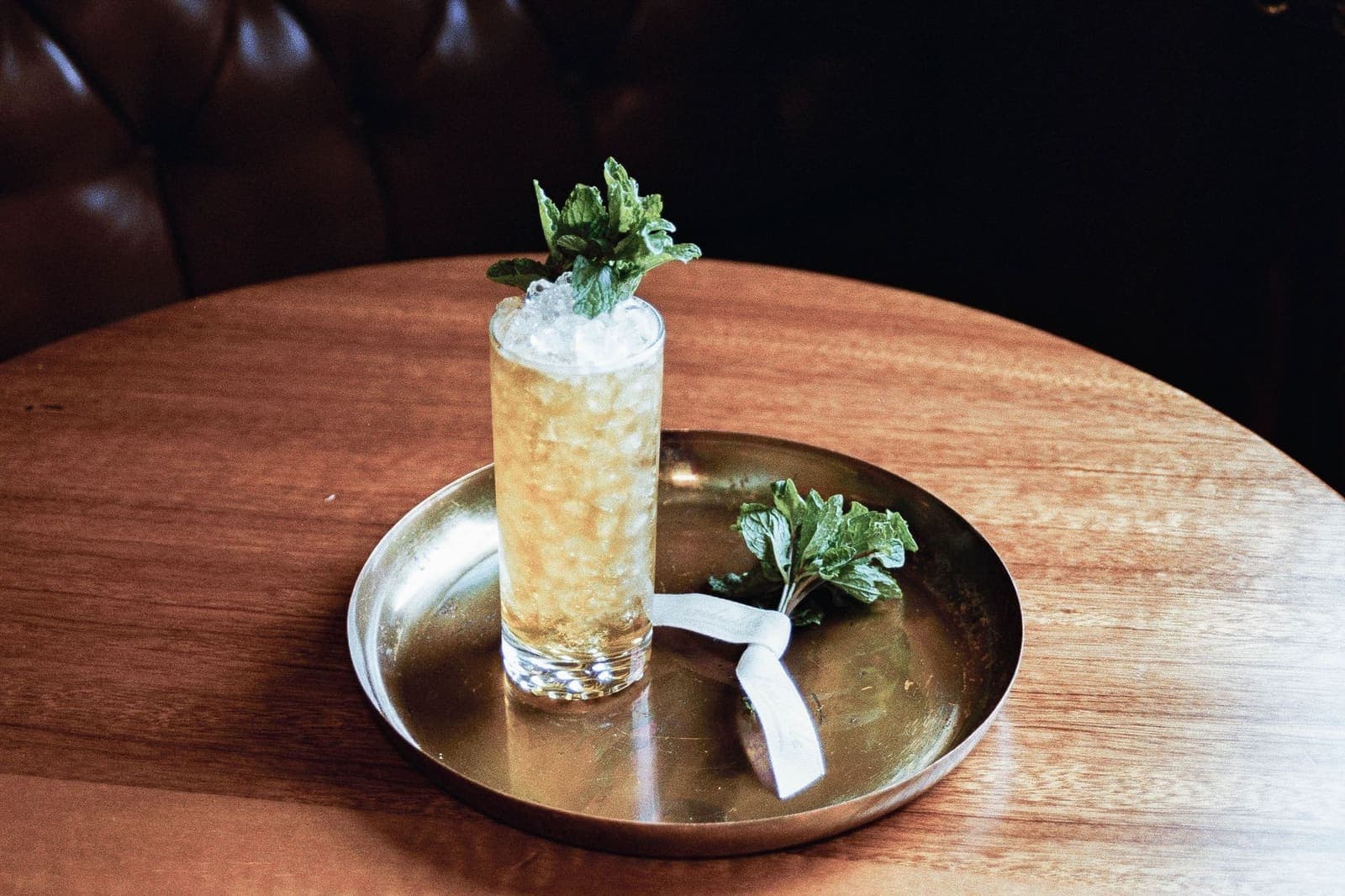 Barfly Wood Ice Mallet with Lewis Canvas Bag If what you need is crushed, not stored | Dry crushed ice at home |
Scroll the table sideways on a narrow screen. Prices are set by the retailer and change, so every price link opens the current listing rather than quoting a number here.
The problem
Why stored ice goes bad, and what a bucket can do about it
Ice in a bucket fails in three distinct ways, and the buckets on the market address them unevenly. Knowing which failure you are actually trying to prevent is the whole buying decision.
- Heat from outside. A single-wall bucket conducts room temperature straight into the ice and sweats on the outside while doing it. Double-wall construction is the fix, and it is the one feature every bucket in this list has.
- Meltwater underneath. This is the failure almost nobody designs for. Cubes sitting in a pool of water melt from the bottom, round off, and then refreeze against each other into a single block. A raised grid or a removable strainer base solves it completely.
- Warm air across the top. An open bucket loses ice far faster than a covered one. A lid is cheap, and most decorative buckets do not have one.
The reason this matters more on this site than on most is that the ice is the expensive part. If you spent twenty-four hours making four clear two-inch cubes with a directional-freezing mold, storing them in an uninsulated open bowl undoes the whole exercise. How to make clear ice is the method; this page is about keeping it.
How we picked
How we picked these
Selections on published construction and specification rather than on test results. We have not timed meltwater volume in each of these over an evening. How we pick sets out the method and what we never claim.
- Double-wall construction, non-negotiable. A single-wall bucket is a decorative object. Everything here is double-walled.
- Drainage. Whether the design lifts cubes clear of meltwater - a channeled base, a raised grid or a removable strainer. This is the criterion that separates the picks most sharply.
- A lid, and whether it works one-handed. A lid you have to put down your glass to open gets left off, which makes it worthless.
- Capacity against real use. Three quarts serves a round of tall drinks. Four is a hosting bucket. Anything smaller is a table-service vessel, not storage.
- Exterior condensation. A bucket that sweats needs a mat under it, which is an extra purchase and an extra thing to forget.
- Tongs included, and where they live. Hands in a shared ice bucket is the one hygiene failure guests notice.
What we did not weight: vacuum-flask claims measured in hours. Those numbers come from sealed-lid laboratory conditions with the lid never opened, which is not how an ice bucket is used at a party.
Buying guide
Size: three quarts or four
Capacity is the decision people get wrong in both directions. A bucket too small means a second trip to the freezer mid-round, which is exactly the interruption you bought the bucket to avoid. A bucket too big is a large steel object you have to find a cupboard for eleven months a year.
| Capacity | Roughly holds | Right for | Where it falls down |
|---|---|---|---|
| 1 to 2 qt | A few large cubes | Table service for two, or a single spirit on the rocks | Too small to be storage; you will refill it constantly |
| 3 qt | A round of tall drinks, or 8 to 10 two-inch cubes | The default home bucket - four to six people, one round at a time | Runs out if you host eight and everyone drinks tall |
| 4 qt and up | Two rounds, or a full tray of large format cubes | Hosting, or anyone whose ice comes from a 24-hour mold | Big to store, and heavy once loaded |
A useful rule: if your ice comes out of a countertop machine on demand, buy 3 qt and refill it. If your ice comes out of a mold that takes a day, buy 4 qt, because the whole point is to get all of it out of the freezer at once and not open the freezer again. Clear ice molds vs ice machines is the decision behind that.
Buying guide
The drainage grid is the feature to look for
If you take one thing from this page, take this. Double-wall insulation is now standard and nearly every bucket has it. Drainage is not standard, and it is the feature that decides whether your cubes are still separate cubes an hour later.
The mechanism is simple. Ice melts from its contact surface. A cube sitting in a shallow pool of 32-degree water loses its edges first, which rounds it and brings it into closer contact with its neighbors. The water between two touching cubes then refreezes against the colder mass, and you get a fused block you have to break with a tool. A grid that holds the cubes a quarter inch above the water stops the entire sequence.
The OXO is the pick here because the channeled base is part of the bucket rather than an accessory. Some buckets use a removable strainer basket instead, which works just as well and has the advantage of lifting out so you can pour the water off. Either is fine. Neither is optional if you are storing large-format ice.
A workaround if your bucket has a flat base: put a small folded cooling rack or a stainless trivet in the bottom. It is inelegant and it does most of the job.
Practical
Getting more out of whichever one you buy
- Chill the bucket before the ice goes in. Five minutes in the freezer, or a scoop of sacrificial ice you pour off. A room-temperature steel bucket spends its first ten minutes melting your good cubes.
- Load it full. A full bucket holds cold far better than a half-full one, for the same reason a full glass of ice outlasts a half-full one - the ice chills the ice.
- Keep the lid on between pours. Every minute open is warm air moving across the whole surface.
- Pour off meltwater once, about halfway through the evening. On a bucket without a drainage grid this is the single most effective thing you can do.
- Dry it out fully afterwards. Standing water in a sealed double-wall bucket is how a steel bucket develops a smell, and a lid traps it.
One more that is specific to good ice: do not mix cube formats. Large clear cubes and small freezer cubes in the same bucket means the small ones melt fast, flood the base, and take the large ones down with them. Keep the good ice separate and bring out the cheap stuff for mixers.
Reference
Bucket, cooler or insulated tumbler
Several adjacent products get recommended as ice buckets and are not really substitutes. It is worth being clear about what each one is actually good at.
| Vessel | Holds cold | Serves ice well | Verdict |
|---|---|---|---|
| Double-wall ice bucket | Hours | Yes - wide mouth, tongs, lid | The right tool; this is what the page is about |
| Vacuum-insulated flask or tumbler | Longest of anything here | No - narrow mouth, no tongs access | Excellent at keeping ice, useless at serving it |
| Cooler or ice chest | All day | Awkward - low, deep and on the floor | Right for a garden party, wrong for a bar cart |
| Open bowl or decorative bucket | Under an hour | Yes, briefly | A table prop. Fine for a photo, poor at the job |
The practical combination for hosting at home is a cooler of cheap ice out of sight for mixers and bottles, and a 3 to 4 qt insulated bucket of your good cubes where you are actually building drinks. How to stock a bar cart covers how that fits with the rest of the cart.
Practical
Tongs, scoops and the hygiene question
Tongs or a scoop are not an accessory, they are the reason a shared bucket is acceptable at all. Hands in the ice is the one thing guests notice and remember, and it is also how a bucket of clear ice picks up a flavor.
Tongs are better for large format cubes - a 2-inch cube is a single deliberate pick-up, and sharp-toothed tongs grip a wet cube without squirting it across the counter. A scoop is better for small or nugget ice, where you are moving volume rather than placing a single piece. If your ice comes from a nugget machine, a scoop is the correct tool; see best nugget ice makers.
Wherever the tongs live, they need to live somewhere. Buckets that store tongs on external pegs keep them findable and drip on the shelf; buckets that store them under the lid keep the shelf dry and hide them. Neither is wrong, but a loose pair of tongs ends up in a drawer and then the hands go in the ice.
The honest limit
What no ice bucket can do
An insulated bucket slows melting. It does not stop it, and nothing at this price does. The reasonable expectation for a good double-wall bucket with the lid mostly closed is a few hours of usable ice, not an evening and certainly not overnight. Any marketing claim beyond that is measuring a sealed lid in a cool room.
If what you actually need is ice available all evening without planning, the bucket is the wrong purchase and a countertop machine is the right one. If what you need is four perfect cubes to survive from the freezer to the second drink, the bucket is exactly right - and the drainage grid is what makes it work.
And if your cubes are coming out cloudy in the first place, the bucket is not the problem. Why is my ice cloudy is the page for that, and best clear ice molds is the fix.
The picks in full
Every pick, and who each one is for
01 · Best overall
OXO Steel Ice Bucket and Tong Set
OXO · The step up
Double-wall stainless with a drainage grid in the base and a flip lid - the bucket that actually addresses why stored ice fails.
4 qt, double-wall stainless, flip-top lid that opens one-handed, tongs stored on side pegs, and a grid of deep channels in the base that drains meltwater away from the remaining cubes. That drainage grid is the difference between a bucket of cubes and a bucket of fused ice two hours in. The size is the catch - it is a big object to store.
The specs that decide it
- Capacity:
- 4 qt
- Construction:
- double-wall stainless steel
- Lid:
- flip-top, one-handed
- Base:
- channeled grid that drains meltwater away from the cubes
- Includes:
- tongs, stored on side pegs
Who it is for
- The drainage grid is the feature: cubes sitting in their own meltwater round off and weld together, and this lifts them clear of it
- Double walls keep the outside condensation-free, so it can sit on a wood cart without a mat
- Flip lid opens one-handed while your other hand holds a glass, which is the whole point of a lid
Where it gives ground
- 4 qt is a large object to store when you are not hosting
- Tongs on external pegs look purposeful but they drip on whatever is underneath
Skip this one if you make one drink at a time. An insulated bucket solves a hosting problem, not a drinking one.
02 · Best value
Oggi Double Wall Stainless Steel Ice Bucket with Tongs
Oggi · Entry tier
Double-wall stainless, a lid and tongs in the box, at the price most people should pay for a bucket they use six times a year.
Around 3 qt of double-wall stainless with a lid and tongs included. It does the two things that matter - insulate and cover - and nothing more, which is the right spec for a bucket you use six times a year. No drainage grid, so cubes sit in their own meltwater and will fuse if you leave them long enough.
The specs that decide it
- Capacity:
- about 3 qt (2.8 L)
- Construction:
- double-wall stainless steel
- Includes:
- lid and tongs
- Handle:
- swing or fixed depending on version
Who it is for
- Does the two things that matter - insulates and covers - without charging for a third
- 3 qt is enough for a round of tall drinks and small enough to live in a cupboard
- Stainless inside and out, so nothing to stain and nothing to absorb odor
Where it gives ground
- No drainage grid, so cubes sit in meltwater and will fuse if you leave them long enough
- Oggi sells several versions under similar names - check the capacity and whether tongs or a scoop is included before buying
Skip this one if you are storing 2-inch cubes for a long evening. Without a raised base they will weld into a block.
03 · Best on an open cart
Viski Insulated Ice Bucket with Tongs
Viski · Mid tier
An insulated bucket is what lets your good ice survive from the freezer to the second drink.
Insulated stainless with tongs, in the proportions that look right next to bottles rather than next to a sink. Double walls keep condensation off the outside, which is what protects an unprotected wood shelf. Buy this one because of where it lives, not because it outperforms the OXO.
The specs that decide it
- Construction:
- double-wall insulated stainless
- Includes:
- tongs
- Lid:
- model dependent
- Capacity:
- a round's worth of large cubes
Who it is for
- Double walls genuinely slow the melt, which matters when your ice took 24 hours to make
- Tongs keep hands out of a shared bucket
- Stops the freezer trip mid-round, which is where hosting momentum dies
Where it gives ground
- Even insulated, it is a holding vessel and not a freezer
- Condensation on the outside will mark an unprotected wood shelf
Skip this one if you make one drink at a time and the freezer is six feet away.
04 · If what you need is crushed, not stored
Barfly Wood Ice Mallet with Lewis Canvas Bag
Barfly by Mercer · Entry tier
A canvas bag and a wood mallet make better crushed ice than any blender, because the canvas wicks the meltwater away while you work.
A bucket is the wrong tool for crushed ice - it turns to slush inside twenty minutes. A canvas Lewis bag wicks the meltwater out as you work and gives you dry crushed ice on demand, which is the honest answer for juleps and swizzles.
The specs that decide it
- Bag:
- canvas, around 17.75 x 8.25 in
- Mallet:
- wood, around 13.5 in
- Care:
- bag is machine washable
- Output:
- cracked to flaked, by how long you hit it
Who it is for
- Canvas absorbs meltwater, so the ice leaves the bag dry rather than as slush
- You control the grade - a few strikes for cracked ice, thirty seconds for a julep pack
- Nothing to break, nothing to plug in, and it stores flat in a drawer
Where it gives ground
- It is manual work, and a full julep's worth is a real minute of hitting a bag
- The bag has to dry fully between uses or it will start to smell
Skip this one if you want chewable ice on tap. That is a nugget machine, not a bag and a mallet.
Honest limits
What we could not verify
We have not used all four of these and have not measured melt rates or meltwater volume in any of them. Capacities, construction, lid design and included accessories are as published by OXO, Oggi and Viski or by their retailers. Oggi in particular sells several similar buckets under closely related names with different capacities and either tongs or a scoop included - check the listing before you buy. Melt-time expectations in this page are general thermodynamics, not a measurement of these specific products.
We do not run a test lab and we have not personally used every product here. Where a judgment rests on published specifications or on what owners report rather than on our own hands, we say so. Read the full method.
Questions
Related questions
- How long does ice last in an insulated ice bucket?
- A few hours of usable ice with the lid mostly closed, not an evening. Double walls slow conduction from the room; they do not stop melting, and every lid opening resets the clock.
- What size ice bucket do I need for a home bar?
- Three quarts for a round at a time with four to six people. Four quarts if your ice comes from a 24-hour clear-ice mold, because the point is to move all of it out of the freezer in one trip.
- Why does ice in a bucket freeze into one lump?
- Meltwater. Cubes sitting in a shallow pool round off, come into closer contact, and the water between them refreezes against the colder mass. A drainage grid or a removable strainer base that lifts the cubes clear of the water prevents it.
- Does an ice bucket need a lid?
- Yes. Warm air moving across an open surface is the fastest route to meltwater, and a lid is the cheapest feature on the bucket. A lid that opens one-handed is the one that actually gets used.
- Can I keep crushed ice in an ice bucket?
- Badly. Crushed ice has enormous surface area and turns to slush within about twenty minutes in any bucket. Crush it to order in a canvas Lewis bag instead, which also drains the meltwater as you work.
Sources
Read next
Related reading
- Clear ice for the home bar
Molds, machines and presses that make ice dense enough to chill a drink without watering it down.
- Best clear ice molds
Insulated molds compared on yield, piece size and the freezer footprint they actually demand.
- How to make clear ice at home
Directional freezing explained, plus the free cooler method step by step and when to buy a mold instead.
- Why is my ice cloudy
Six causes of cloudy ice in the order they occur, how to read a cube to diagnose it, and the myths that waste your time.
- Best bar cart accessories
The three accessories that change how a cart works, and the popular ones that get used twice.
- Best highball glasses
The tall glass most home bars skip, the 12 oz versus 16 oz decision, and four sets worth owning.