Head to head
Leopold vs Japanese jigger
Two jiggers from the same maker aimed at different priorities: one reads fractions better, the other stays upright on a crowded cart and looks like an object.
By Michael W. · Published September 2026
The short answer
Buy the Japanese jigger if your pours drift and fixing that is why you are shopping. The narrow bore and interior lines are what make a three-quarter-ounce measure repeatable. Buy the Leopold if your jigger lives on an open bar cart, where a low center of gravity and a waisted grip matter more than the last eighth of an ounce - and where a deco object beats a plain cone visually. Both are Cocktail Kingdom, both are well made, and they are optimized for different things.
We earn a commission if you buy through the links on this page, at no extra cost to you. It never changes which product we pick. How we are funded.
Quick picks
| # | Product | Best for | Price |
|---|---|---|---|
| 1 | 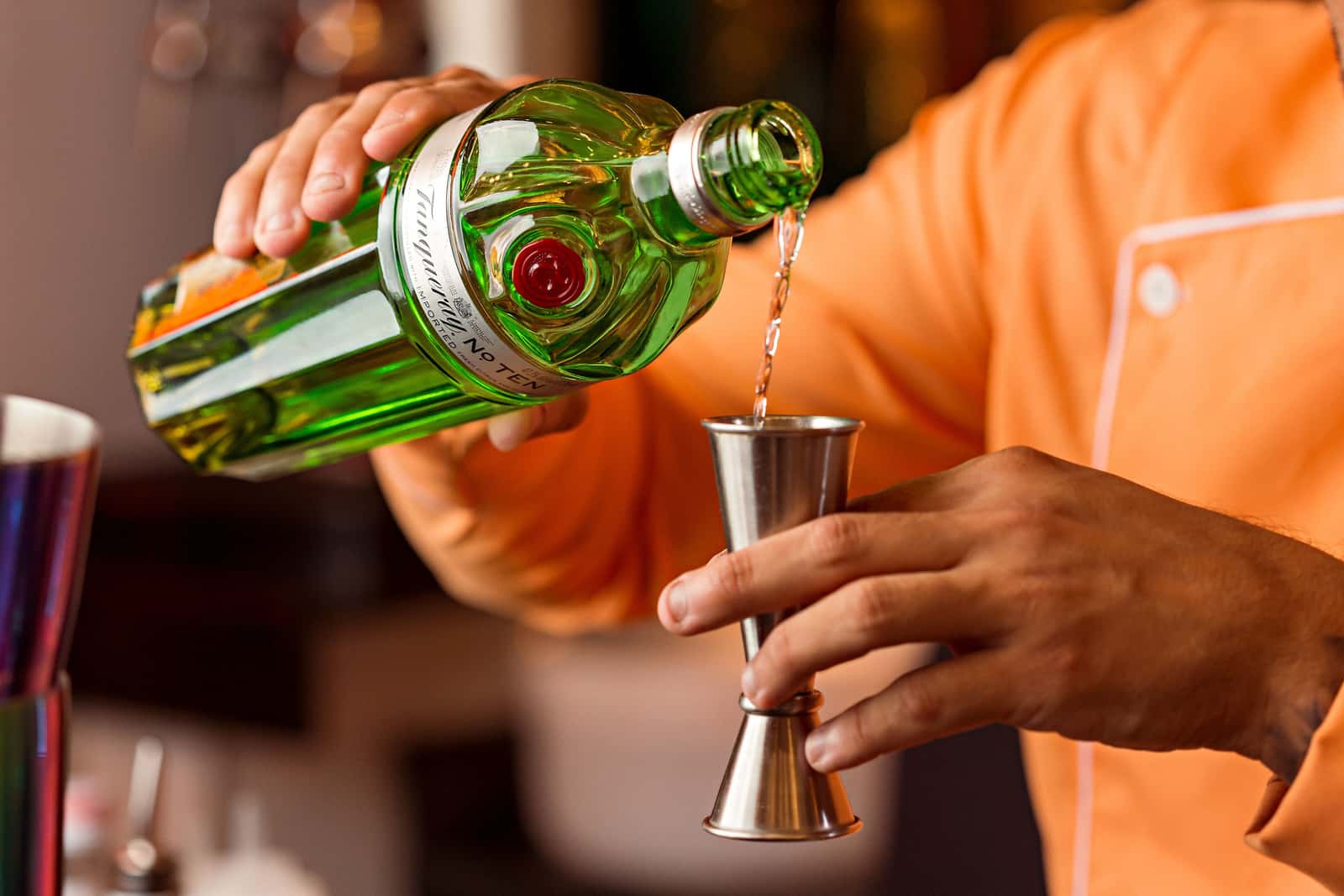 Cocktail Kingdom Japanese Style Jigger The accuracy choice | Accuracy | |
| 2 | Cocktail Kingdom Leopold Jigger The bar cart choice | A jigger that stays put | |
| 3 | 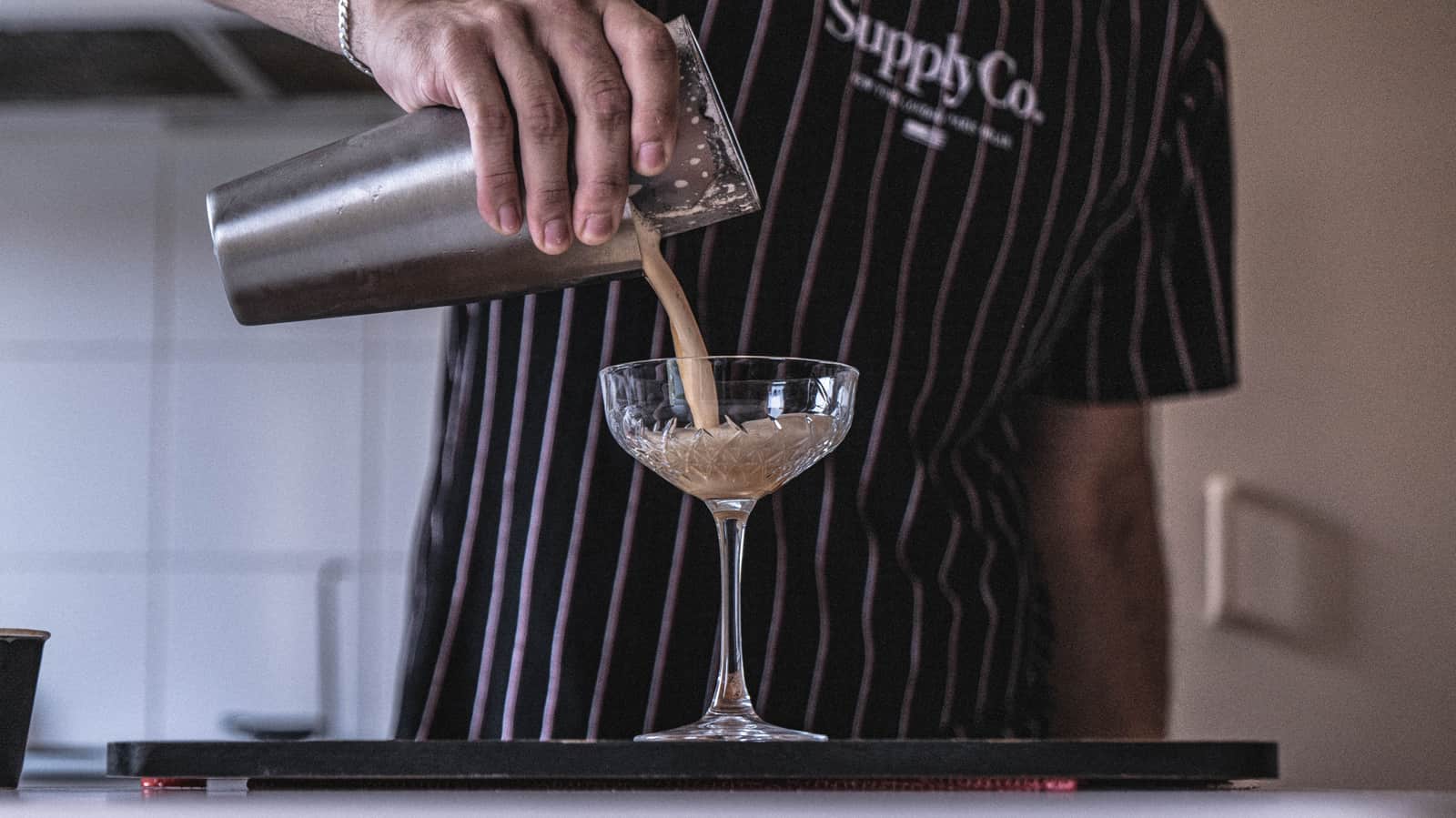 Cocktail Kingdom Leopold Weighted Shaking Tins If you are matching a set | When the tins are on display |
Scroll the table sideways on a narrow screen. Prices are set by the retailer and change, so every price link opens the current listing rather than quoting a number here.
Head to head
What is different
| Japanese Style Jigger | Leopold Jigger | |
|---|---|---|
| Profile | Tall, narrow | Wider, lower |
| Styling | Plain | Art deco fluting |
| Grip | Bare cone | Waisted middle |
| Interior lines | Yes, central to the design | Less useful in a shallow cone |
| Fractional accuracy | Better | Adequate |
| Stability full | Lower | Noticeably higher |
| On display | Reads as equipment | Reads as an object |
Both are stainless, both are from the same maker, and both measure honestly. This is a shape-and-purpose comparison, not a quality one.
Dimension one
The accuracy gap is real but bounded
The Japanese profile is more accurate for a specific reason: a narrow bore turns volume into height, so a small error is visible before you pour. That advantage is largest at fractional measures - three quarters, a half, a quarter - and smallest at the two headline sizes, where you are filling the cone to the brim either way.
So if your recipes are mostly 2oz-and-1oz builds, the gap is nearly irrelevant. If they are full of three-quarter-ounce measures - which most modern sour-family recipes are - the gap shows up in the glass.
Interior lines are the other half of this. They work best in a deep narrow cone where the lines are far apart. In a shallow wide cone they crowd together near the top and become harder to use exactly when you most need them.
Dimension two
The waist is a real grip
A jigger is held one-handed while your other hand pours from a bottle, and your hands are frequently wet and cold. A bare cone offers nothing for your fingers to locate against; you are holding it by friction.
The Leopold's waist gives you a positive grip that your fingers find without looking, and the fluting adds texture on top of that. It is one of the cases where deco detailing genuinely does something, rather than being styling with a story attached.
It is also the reason the Leopold is harder to knock over - the wider base and the lower fill height put the center of gravity somewhere sensible. If you have ever lost a full ounce of gin to an elbow, that is the feature you are buying.
Dimension three
Where it lives decides this
The same argument that applies to shaking tins applies here. A bar cart is a permanent display: everything on it is visible whether or not you are making a drink, and a plain cone reads as a piece of kitchen equipment that wandered in.
A drawer is not a display, and a finish you see for four seconds is money spent on nothing. If your tools live in a drawer and come out to work, buy the tool that works better.
If you are furnishing a cart, how to stock a bar cart covers what belongs on it, and matching deco pieces are a coherent way to do it - see also Koriko vs Leopold for the same decision on tins.
A third option
Buy both, honestly
Jiggers are among the cheapest tools in a bar. Owning a Japanese jigger for accuracy and a Leopold for the cart is not an extravagance, and having a second jigger means you can measure a spirit and a syrup without rinsing between them - which is a genuine speed improvement when you are building four drinks.
If you would rather own one, the wider field including the wide-based angled-marking option is in best Japanese jiggers, and the profile argument in general is in Japanese vs American jigger.
The picks in full
Every pick, and who each one is for
01 · The accuracy choice
Cocktail Kingdom Japanese Style Jigger
Cocktail Kingdom · Mid tier
Tall, narrow and internally marked, which is the combination that makes a half-ounce pour repeatable.
Tall narrow cones in 1oz and 2oz with interior lines for fractional pours. The narrow bore makes a small error visible as a height difference rather than invisible as a depth difference, which is the entire reason this profile is the professional default.
The specs that decide it
- Sizes:
- 1 oz / 2 oz
- Profile:
- tall and narrow
- Markings:
- interior lines for fractional pours
- Material:
- stainless steel
Who it is for
- A narrow cone makes a given volume a taller column, so a small error is visible before you pour it
- Interior lines mean you are not guessing at three quarters of an ounce
- Balanced enough to hold one-handed while the other hand pours
Where it gives ground
- Tall profile tips more easily on a crowded counter
- No handle, so it gets cold and slippery when you work fast
Skip this one if you free-pour by count and are happy with the results. This tool exists to fix a problem you do not have.
02 · The bar cart choice
Cocktail Kingdom Leopold Jigger
Cocktail Kingdom · The step up
A lower, wider cone with a deco waist - less precise than the tall Japanese profile and much harder to knock over.
A wider, lower cone with an art deco fluted waist. Far more stable set down full, with a waist that gives wet fingers real grip, and it reads as an object rather than as equipment when it is sitting out. Wider bore makes fractional pours harder to eyeball.
The specs that decide it
- Profile:
- wider, lower center of gravity
- Styling:
- art deco fluting
- Grip:
- waisted middle
- Material:
- stainless steel
Who it is for
- Far more stable set down full than a tall Japanese jigger
- The waist is a real grip, not decoration - it finds your fingers wet
- Reads as an object rather than as equipment on an open cart
Where it gives ground
- Wider bore makes a fractional pour harder to eyeball precisely
- Interior markings are less useful in a shallow cone
Skip this one if your pours drift and you are buying a jigger to fix that. The tall profile does that job better.
03 · If you are matching a set
Cocktail Kingdom Leopold Weighted Shaking Tins
Cocktail Kingdom · The step up
The same working geometry as the Koriko in an art deco dress, for a bar where the tools sit out.
The Leopold jigger exists partly so a deco bar cart can look coherent. The matching weighted shaking tins are the other half of that, with the same fluted pattern and the same working geometry as the plain Koriko pair.
The specs that decide it
- Set:
- 18 oz and 28 oz
- Capacity:
- about 2 drinks
- Base:
- weighted
- Styling:
- fluted deco pattern drawn from 1920s-30s pieces
Who it is for
- Looks like something rather than like equipment, which matters on an open bar cart
- Fluting gives a grippier hold with wet hands than a smooth tin
- Seals and breaks the same way the plain tins do
Where it gives ground
- The pattern traps a little more residue, so it wants a brush rather than a rinse
- You pay for the styling, not for performance
Skip this one if your tins live in a drawer. You will be paying for a finish nobody sees.
Honest limits
What we could not verify
We have not measured either jigger's marked volumes or compared them by pour. The readability argument rests on bore geometry rather than on a test we ran, and comments on grip reflect the physical form and what owners report. Dimensions and materials are as published by Cocktail Kingdom.
We do not run a test lab and we have not personally used every product here. Where a judgment rests on published specifications or on what owners report rather than on our own hands, we say so. Read the full method.
Questions
Related questions
- Is the Leopold jigger accurate?
- It measures its marked volumes honestly. It is harder to read fractional pours in, because a wider bore makes a small error a smaller height difference - which is a readability limitation rather than a calibration one.
- Why does the Leopold jigger have a waist?
- Grip. A bare cone is held by friction with wet, cold hands; the waist gives your fingers something positive to locate against, and the fluting adds texture on top.
- Which jigger should I buy first?
- The Japanese profile, if your reason for buying a jigger is that your pours drift. Buy the Leopold first only if the jigger is going to live on display.
Sources
Read next
Related reading
- Jiggers, bar spoons and mixing glasses
Jiggers, spoons and mixing glasses - the half of the bar that decides whether a drink is repeatable.
- Best Japanese jiggers
Why a narrow bore reads more accurately, which size pairing to buy, and the precision-stability trade-off.
- Japanese vs American jigger
Narrow against wide on accuracy, stability and speed - and the middle option that recovers both.
- Koriko vs Leopold
Same maker, same capacities, different surface. Which finish earns the premium and where.
- How to use a jigger
Fill to the brim, hold it low, pour once - and the measuring order that means you rarely rinse.