Roundup
Best cocktail shaker for an espresso martini
An espresso martini is the hardest thing a home shaker is asked to do: it has to aerate hard enough to build a crema and then strain fine enough to keep the grounds out.
By Michael W. · Published October 2026
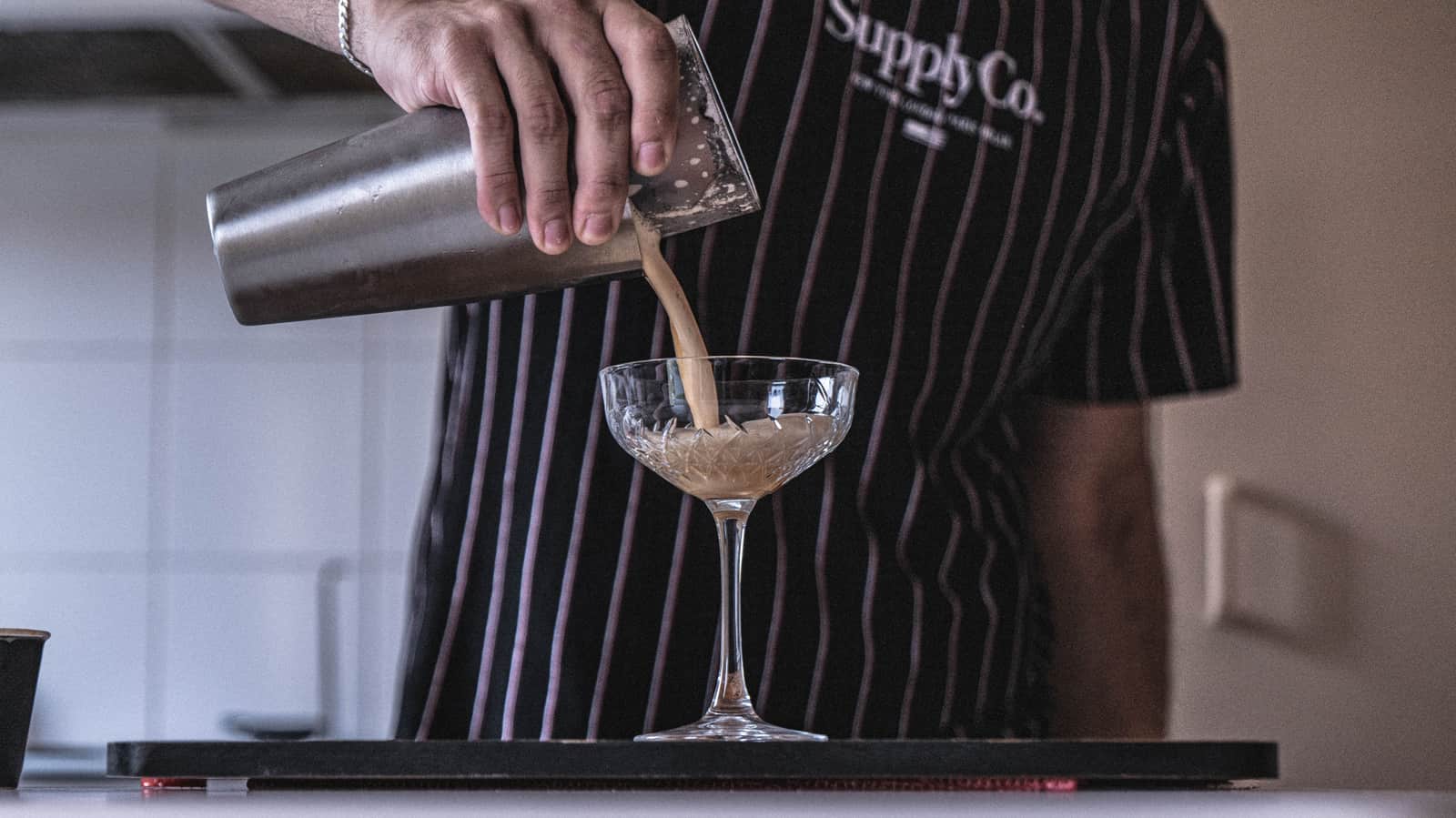
The short answer
For espresso martinis, buy the Cocktail Kingdom Koriko Weighted Shaking Tins. The 18 oz and 28 oz pair gives you the headroom a hard aerating shake needs, the weighted bases let you shake far harder than you can with a cobbler, and the seal does not creep under pressure from carbonation-free but very frothy liquid. The Barfly Cocktail Shaker Tin Set does the same job in a wider choice of finishes if the tins live on display. The OXO Steel Cocktail Shaker is the pick if you want one shaker for everything and will accept a thinner crema, because its built-in lid strainer saves a step. Whichever you choose, the pick that most changes the drink is the Barfly Fine Mesh Strainer: a thick crema and a gritty mouthful arrive together unless you double strain.
We earn a commission if you buy through the links on this page, at no extra cost to you. It never changes which product we pick. How we are funded.
Quick picks
| # | Product | Best for | Price |
|---|---|---|---|
| 1 | 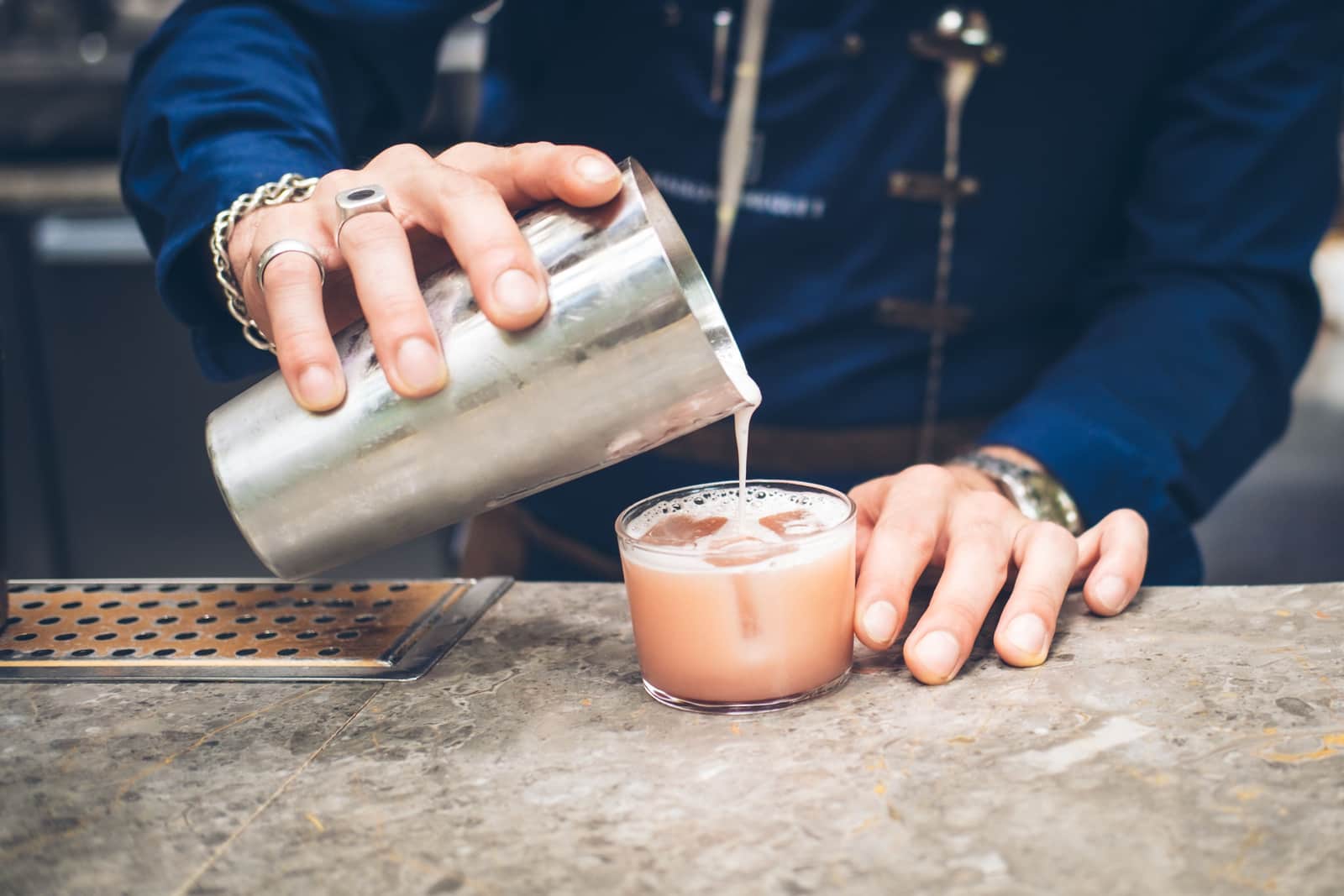 Cocktail Kingdom Koriko Weighted Shaking Tins Best overall for crema | The default upgrade | |
| 2 |  Barfly Cocktail Shaker Tin Set Best alternative, and the finish options | Finish options | |
| 3 |  Barfly Fine Mesh Strainer The pick that actually fixes the drink | Double straining | |
| 4 | 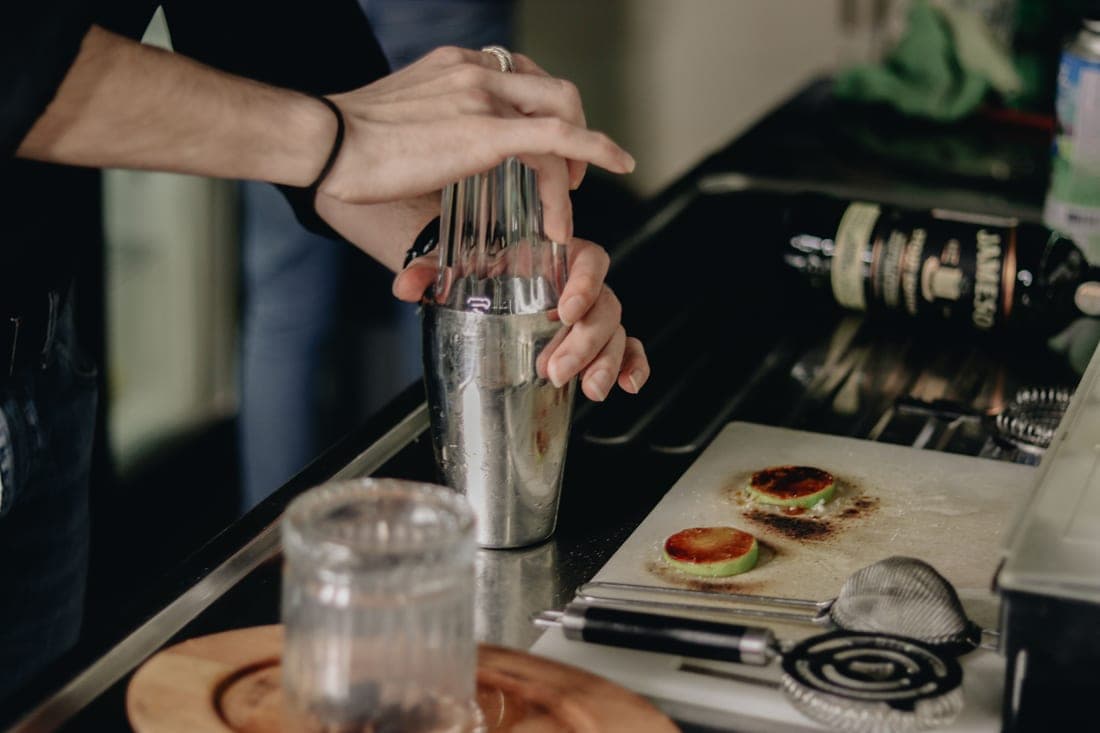 OXO Steel Cocktail Shaker Best if you want one shaker for everything | Handing to a guest |
Scroll the table sideways on a narrow screen. Prices are set by the retailer and change, so every price link opens the current listing rather than quoting a number here.
Why this drink is different
An espresso martini is an emulsion, not just a cold drink
Most shaken drinks want one thing from the shake: heat exchange. Get the liquid cold, get the dilution right, strain. An espresso martini wants that plus aeration, because the head of crema on top is not decoration - it is a foam of air, coffee oils and the soluble proteins and melanoidins that espresso carries.
Foam needs three things: fresh espresso with its own oils still intact, enough air in the tin to whip in, and a shake violent enough to emulsify. The first is on you and your coffee. The second and third are what the shaker decides, and it is the reason a two-tin set beats a cobbler on this particular drink.
There is also a reason the crema fails that has nothing to do with the shaker: coffee that has been sitting. Espresso loses the oils that build a crema within a couple of minutes of extraction. If the drink comes out flat, pull the shot into the tin rather than into a cup first.
What to look for
The four features that matter for a frothy shake
- Headroom. A 28 oz large tin on an 18 oz small tin leaves real air space above the liquid and ice. Air space is the raw material of a crema; a shaker filled to the brim cannot build one.
- A weighted base. Mass in the bottom of the tin lets you shake hard without the set working itself apart. The harder you can shake, the finer the bubble structure.
- Stainless steel, cold-tolerant. Steel chills fast and takes a counter-edge tap without complaint. A glass-bottomed shaker in a hard espresso-martini shake is a bad combination.
- A fine mesh strainer alongside the Hawthorne. Coffee carries fine sediment. A Hawthorne spring catches ice; it does not catch grounds. Double straining is the step that makes the drink feel professional.
| Weighted tins (18 + 28 oz) | Cobbler shaker | |
|---|---|---|
| Headroom for aeration | Good | Limited |
| How hard you can shake | Very hard | Moderate - the cap is the limit |
| Crema thickness | Thick | Thinner |
| Straining | Needs a Hawthorne, plus mesh | Lid strainer, mesh still advised |
| Pieces to wash | 2 tins + strainers | 3 pieces |
| Seizing risk | Seal taps open | Cap can freeze into the tin |
Technique
How to get a thick crema from the shaker you own
- Pull the espresso last and pour it hot into the tin. The oils that build the foam do not survive sitting in a cup.
- Fill the large tin with ice, not a handful. Cold shock plus mechanical agitation is what emulsifies the oils. A half-empty tin warms up and whips nothing.
- Shake hard for twelve to fifteen seconds. Longer than a daiquiri. You are listening for the sound to change as the ice breaks down and the liquid thickens.
- Double strain through Hawthorne and fine mesh. Straight into a chilled coupe or Nick & Nora. Grounds and ice shards both get caught here.
- Pour in one continuous motion. Stopping and restarting breaks the head. Let it settle for fifteen seconds before the three coffee beans go on.
A warm glass kills a crema faster than a bad shake does. Chill the glass in the freezer while you pull the shot - and note that an espresso martini is served up, so the glass choice matters: see cocktail glassware types and best coupe glasses.
Ice
Why your ice is probably the problem
A hard, long shake destroys weak ice. Hollow, wet cubes from a plastic freezer tray shatter into slush in the first four seconds, which over-dilutes the drink and leaves fine shards that slip past a Hawthorne and sit on top of your crema. Dense, dry cubes survive the shake and chill harder while doing it.
This is the cheapest upgrade available to anybody making this drink regularly, and it does not require buying a machine - see what size ice for a cocktail shaker for the sizing, and how to make clear ice for denser cubes out of the freezer you already have.
The honest ranking
If you only buy one thing on this page
Buy the fine mesh strainer. It is the least expensive item here and it changes the drink more than swapping shakers does, because grit is the failure mode people actually notice. A perfectly shaken espresso martini served through a Hawthorne alone still has sediment in it.
If you are buying a shaker from scratch and this drink is a regular, buy the Koriko tins. If you want one shaker for everything on the bar and will take a thinner head, the OXO cobbler is the honest compromise - and best cocktail shakers covers the wider field. Best cocktail strainers covers the straining half in full.
The picks in full
Every pick, and who each one is for
01 · Best overall for crema
Cocktail Kingdom Koriko Weighted Shaking Tins
Cocktail Kingdom · Mid tier
The tins most working bartenders reach for, and the shortest path out of a shaker that sticks.
Weighted bases mean you can shake genuinely hard without the set opening on you, and hard shaking is what emulsifies coffee oils into foam. The 18/28 oz pairing leaves the air space a frothy shake needs - the real reason tins beat a cobbler here.
The specs that decide it
- Set:
- 18 oz and 28 oz
- Capacity:
- about 2 drinks
- Base:
- weighted
- Material:
- stainless steel
Who it is for
- The taper is cut so the pair seals with a tap and breaks with a palm strike, every time
- Weighted bases keep an empty tin from skating across the counter
- Cheap enough to own two pairs, which is how you actually make four drinks
Where it gives ground
- The seal is tight by design and feels alarming for the first week
- Bare steel shows fingerprints immediately
Skip this one if you want a one-piece shaker you can hand to a guest. Tins are a two-handed tool and they reward practice.
02 · Best alternative, and the finish options
Barfly Cocktail Shaker Tin Set
Barfly by Mercer · Mid tier
Heavy-gauge tins with the widest range of finishes, and the easiest pair to match to a bar that is already a color.
The same 18/28 oz weighted format in steel, copper, gold and black among others. If the shaker is part of the bar's look rather than something kept in a drawer, this is the set that matches a cart without giving anything up.
The specs that decide it
- Set:
- 18 oz and 28 oz
- Material:
- 18/8 stainless steel
- Base:
- capped and weighted
- Finishes:
- steel, copper, gold and black among others
Who it is for
- Heavy-gauge steel feels more substantial in the hand than the price suggests
- The finish range is genuinely useful if your bar has a metal theme already
- Satin interior wears well rather than scratching to a dull gray
Where it gives ground
- Plated finishes are a wear item - they will mark with heavy use
- Seal feel varies a little more pair to pair than the Cocktail Kingdom tins
Skip this one if you want the single most predictable seal available. Plain Koriko tins are the safer default.
03 · The pick that actually fixes the drink
Barfly Fine Mesh Strainer
Barfly by Mercer · Entry tier
The second strainer that turns a gritty home shaken drink into a silky one, for very little money.
A conical fine mesh about 3.5 in across, held under the pour alongside the Hawthorne. It catches the fine coffee sediment and ice shards a Hawthorne lets through, which is the difference between a silky espresso martini and a slightly gritty one.
The specs that decide it
- Type:
- fine mesh, conical bowl
- Diameter:
- about 3.5 in
- Material:
- stainless steel
- Used with:
- held under the pour, alongside a Hawthorne
Who it is for
- Catches the ice fines and citrus pulp a Hawthorne spring lets through - the single biggest texture upgrade in a shaken drink
- A conical bowl drains faster than a flat one and does not trap liquid in the corners
- Small enough to hold in one hand while you pour with the other
Where it gives ground
- It is a second object and a second thing to wash, every single drink
- Mesh clogs with muddled herbs and wants rinsing immediately rather than later
Skip this one if you only stir. There is nothing in a stirred drink for a fine mesh to catch, and the extra step chills nothing.
04 · Best if you want one shaker for everything
OXO Steel Cocktail Shaker
OXO · Entry tier
A cobbler that seals and pours without a fight, for the times when the person shaking is not you.
A three-piece cobbler with the strainer in the lid - fewer pieces, no seal to learn, and a single shaker that handles the rest of your bar too. The crema will be thinner than from tins, and that is the honest trade.
The specs that decide it
- Type:
- cobbler, three-piece
- Strainer:
- built into the lid
- Material:
- stainless steel
- Capacity:
- single to double drink
Who it is for
- Built-in strainer means one object, not three, which is what makes it guest-proof
- Seals reliably - the failure mode of cheap cobblers is a lid that freezes on, and this is not one
- Dishwasher tolerant
Where it gives ground
- Built-in strainer is coarser than a real Hawthorne
- Capacity caps out well below a 28 oz tin
Skip this one if you are the only person who ever makes drinks in your house. Tins are faster, hold more and strain better.
Honest limits
What we could not verify
We have not measured crema thickness or foam stability across these shakers and publish no laboratory figures. Capacities, materials, base construction and strainer dimensions are as published by Cocktail Kingdom, Barfly by Mercer and OXO. The technique described reflects widely documented bartending practice rather than our own instrumented testing. No prices are quoted - this site has no live price data.
We do not run a test lab and we have not personally used every product here. Where a judgment rests on published specifications or on what owners report rather than on our own hands, we say so. Read the full method.
Questions
Related questions
- What shaker is best for an espresso martini?
- A weighted two-tin set - 18 oz over 28 oz, such as the Cocktail Kingdom Koriko tins. The headroom gives the shake air to whip into a crema and the weighted bases let you shake hard enough to emulsify the coffee oils. A cobbler works but gives a thinner head.
- Why does my espresso martini have no foam?
- Usually the coffee rather than the shaker. Espresso loses the oils that build a crema within a couple of minutes, so pull the shot straight into the tin. After that: fill the tin with ice, shake hard for twelve to fifteen seconds, and pour into a chilled glass in one continuous motion.
- Do you need to double strain an espresso martini?
- Yes, if you want it silky. A Hawthorne strainer catches ice but not the fine coffee sediment or the shards a hard shake creates. A conical fine mesh held under the pour catches both, and it is the cheapest upgrade on this page.
- How long do you shake an espresso martini?
- Twelve to fifteen seconds, harder than a citrus drink. You are doing two jobs at once - chilling and aerating - and the aeration is what takes the extra time. Listen for the liquid to thicken rather than counting alone.
- Can you make an espresso martini in a cobbler shaker?
- Yes, with a thinner crema. A cobbler has less air space above the ice and the cap limits how hard you can shake, and both of those work against foam. The strainer in the lid saves a step, but you should still double strain through a fine mesh.
Sources
Read next
Related reading
- Shakers and strainers
Weighted tins, cobblers and strainers, ranked on the thing that actually matters: whether the seal behaves.
- Best cocktail shakers
Tins against cobblers on seal, capacity and chilling - and which one suits who is actually shaking.
- Best cocktail strainers
Hawthorne, julep and fine mesh compared on spring density, fit and gate control - and what double straining fixes.
- How to shake a cocktail
Sealing, the shake itself, when to stop, and breaking the seal in one motion - plus dry shake and whip.
- What size ice for a cocktail shaker?
One to one and a quarter inch cubes, three-quarters of the large tin, and dry - the ice rules for a shaken drink.
- Best coupe glasses
Bowl size, stem construction and the one thing a coupe is genuinely bad at.