Guide
How to muddle mint and fruit
Muddling is pressure, not grinding. Four to six firm presses on mint and a quarter turn is the whole technique - and the reason most home mojitos taste bitter is that they got thirty.
By Michael W. · Published October 2026
The short answer
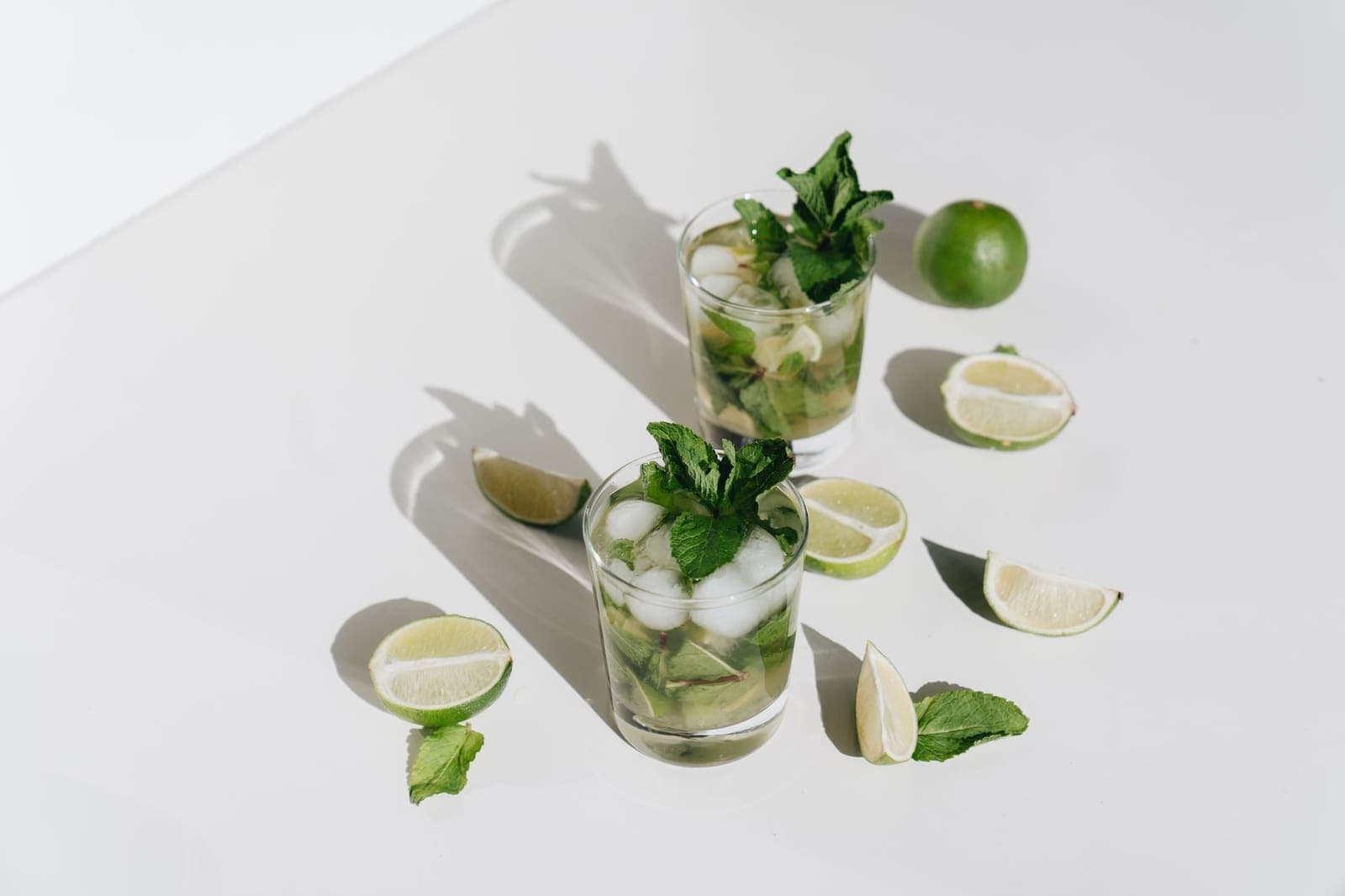
For mint: lay the leaves flat in the bottom of the glass, press straight down four to six times with a quarter-turn twist, and stop as soon as you can smell it across the counter. That is it. For citrus and firm fruit: three or four heavy presses, mass over speed, because every extra press works more bitter pith into the drink. The mistake behind almost every bitter home mojito is treating muddling as grinding - the aromatic oil sits on the surface of a mint leaf, so breaking the leaf open gains you nothing and loses you the drink.
We earn a commission if you buy through the links on this page, at no extra cost to you. It never changes which product we pick. How we are funded.
Quick picks
| # | Product | Best for | Price |
|---|---|---|---|
| 1 | Barfly Deluxe Wood Muddler, 12 in Best for mint | Mint and tall glasses | |
| 2 | 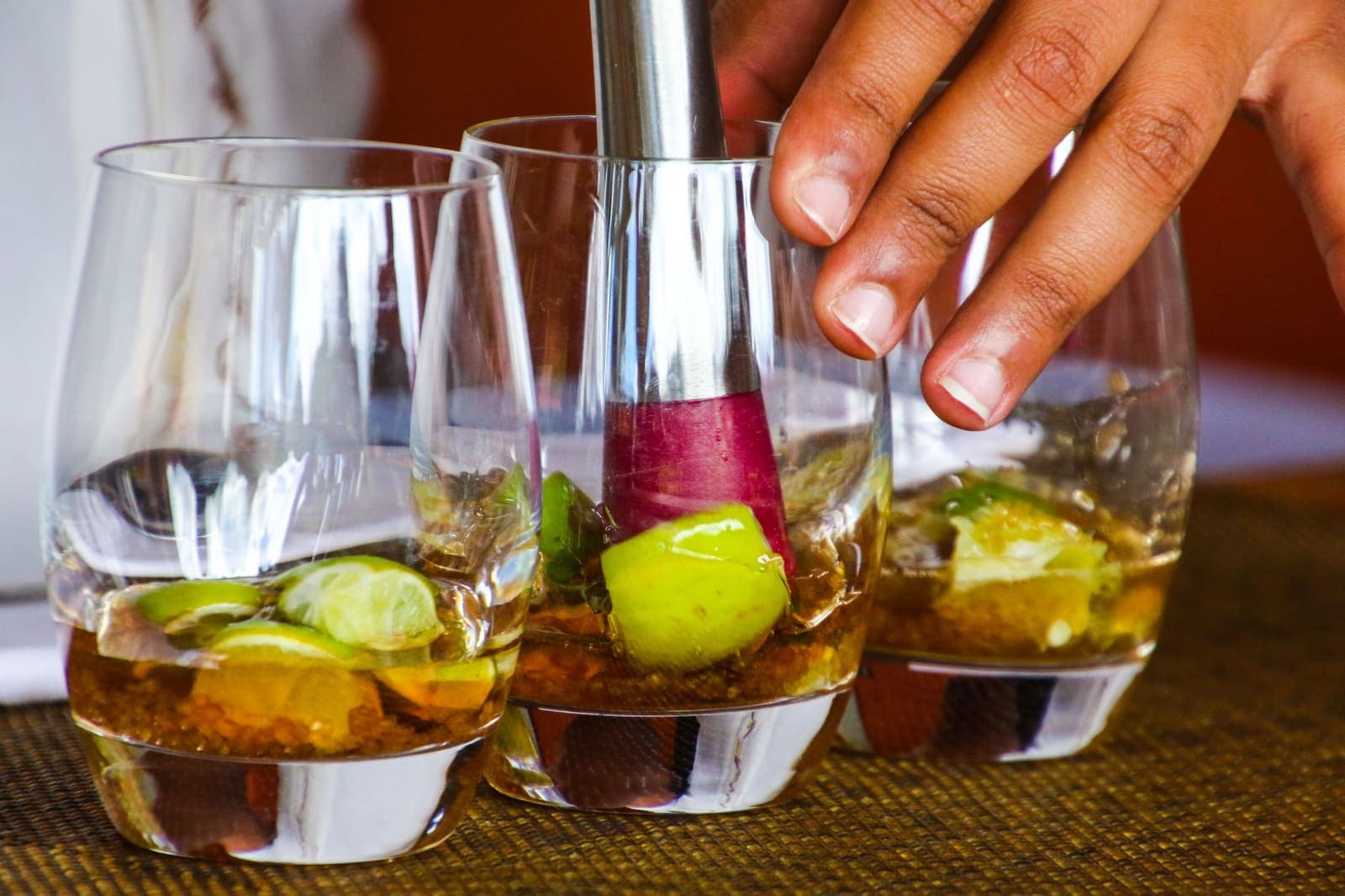 OXO SteeL Cocktail Muddler Best all-rounder | A first muddler you will not replace | |
| 3 | Cocktail Kingdom French Press Muddler Best for firm fruit | Crushing, not bruising |
Scroll the table sideways on a narrow screen. Prices are set by the retailer and change, so every price link opens the current listing rather than quoting a number here.
The principle
Why grinding ruins mint
Mint's aroma is in oil glands on the leaf surface. Press the leaf and those glands rupture and the oil goes into the drink, which is the whole objective. Keep going and you break the leaf structure itself, releasing chlorophyll and the vegetal compounds behind it - and those taste green, bitter and faintly like cut grass.
That is why the test for mint is smell, not appearance. A properly muddled mint drink has leaves that still look like leaves and a glass you can smell from arm's length. A badly muddled one has dark, shredded flecks and a flat herbal bitterness that no amount of sugar hides.
Fruit works on the opposite logic. Juice and peel oil take real force to release, and there is no damage you can do to a lime wheel by pressing it hard - only by pressing it often, which drags the white pith into the liquid. Heavy and few beats light and many.
Mint
How to muddle mint, in six presses
- Use whole leaves, not a sprig. Strip the leaves off the stem. Stems are bitter and they do not carry aroma, so muddling them is pure downside.
- Clap the leaves first. Put them in your palm and slap them once with the other hand. That alone ruptures a surprising amount of the surface oil before any muddler touches them, and it means you need fewer presses afterward.
- Lay them flat in the bottom of the glass. A heap of leaves muddles unevenly - the ones underneath get destroyed and the ones on top get nothing.
- Add the sugar or syrup first, not the spirit. Granulated sugar gives the leaves something slightly abrasive to work against, which gets more oil out at lower pressure. Add the spirit after.
- Press straight down, four to six times, with a quarter turn. Weight through the muddler, not a twisting grind. Straight down and a small rotation.
- Stop when you can smell it. That is the finish line. If the leaves have gone dark and ragged you have gone past it.
If a mojito still comes out bitter after all of that, the usual remaining culprit is the mint itself - old supermarket mint that has been refrigerated for a week has lost most of its surface oil, so people compensate by muddling harder and get bitterness instead of aroma.
Citrus and fruit
How to muddle citrus and firm fruit
Here you want force and few repetitions, and you want to think about what part of the fruit is in the glass.
- Lime and lemon wheels: three or four heavy presses, no twisting. Press the flesh side, not the peel side, if you can see which is which.
- Orange slices for an old fashioned: one or two presses with a sugar cube and a dash of bitters, then stop. The traditional fruit-salad old fashioned is a muddled drink, but the modern version barely muddles at all.
- Berries: two or three light presses. They need almost nothing and they go to pulp instantly, which then clogs your strainer. Best cocktail strainers covers the double-straining habit that fixes it.
- Cucumber: press, do not grind. Cucumber skin turns bitter with abuse exactly the way mint does.
A general rule that has saved a lot of drinks: whatever you are muddling, if you find yourself pressing more than about six times, the tool is wrong for the ingredient rather than your arm being insufficient.
No muddler
How to muddle without a muddler
In rough order of how well each one works:
- The handle end of a wooden spoon. The closest substitute there is. Wood, roughly the right diameter, and the flat end of the handle is about as wide as a muddler face. Check it is actually flat and not tapered to a point.
- A rolling pin end. Works, and the mass helps with fruit. Awkward in anything narrower than a rocks glass.
- The back of a bar spoon. Fine for pressing a sugar cube and a dash of bitters, which is most of what an old fashioned needs. Useless on mint - the bowl is too small to press a leaf flat.
- Your hand, for mint only. Clapping the leaves between your palms genuinely gets a lot of the surface oil out. For a mojito in a pinch, clapped mint plus a hard stir is closer to the real thing than badly ground mint is.
What not to use: a pestle, which grinds by design and will shred herbs; a fork, which punctures leaves rather than pressing them; and anything metal in thin glassware, which is how a rocks glass gets a chipped base. If you are ready to buy the right tool, best muddlers covers the three that matter.
After
What happens after you muddle
Two practical points that decide whether the muddling was worth doing.
First, build in the glass you muddled in wherever you can. Transferring a muddled base leaves oil and pulp behind on the walls of the tin - which is most of what you just worked for. A mojito is built in the glass for that reason, not for theatre.
Second, if the drink is shaken rather than built, muddle in the tin and then double strain it. A Hawthorne spring will let mint flecks and berry pulp straight through, and the texture difference between a single-strained and a double-strained shaken drink is larger than most people expect. Hawthorne vs julep strainer explains which strainer belongs on which vessel, and how to shake a cocktail covers the shake itself.
Finally: muddled drinks are nearly always served over crushed or cracked ice rather than one large cube, because the dilution is part of the design. How to make crushed ice covers getting that right with a bag and a mallet.
The picks in full
Every pick, and who each one is for
01 · Best for mint
Barfly Deluxe Wood Muddler, 12 in
Barfly by Mercer · Mid tier
Twelve inches of wood answers the two things that beat short steel muddlers: a collins glass, and mint that shreds.
Wood grips the leaf rather than sliding across it, which means the press ruptures the oil glands without you having to lean on it. The 12-inch length is what lets you work in the bottom of a collins glass, which is where a mojito is built.
The specs that decide it
- Length:
- about 12 in
- Material:
- wood
- Head:
- smooth wood face
- Care:
- hand wash, dry immediately
Who it is for
- Length reaches the bottom of a tall glass without your knuckles going in with it
- Wood grips leaves instead of sliding off them, so a press bruises rather than tears
- A smooth face is safe in a glass that cost more than the muddler
Where it gives ground
- Hand wash and dry immediately or it will dry out and check along the grain
- Untreated wood picks up strong aromatics over time - one for herbs, not for everything
Skip this one if you want one tool for ice and herbs. Wood is not the tool for breaking ice.
02 · Best all-rounder
OXO SteeL Cocktail Muddler
OXO · Entry tier
Nine inches of stainless with a non-scratch nylon head and a grip that stays put wet - the muddler to own if you only own one.
A non-scratch nylon head means you can muddle in the glass the drink is served in, which is the normal way this happens at home. Dishwasher safe, and the grip holds when your hands are wet and sticky - which, by the third drink, they are.
The specs that decide it
- Length:
- about 9 in
- Head:
- non-scratch nylon
- Body:
- stainless steel
- Care:
- dishwasher safe
Who it is for
- A nylon head is the difference between muddling in your good glass and muddling in a glass you do not mind scarring
- The soft non-slip grip is the feature you notice on the fourth mojito, not the first
- Dishwasher safe, which no wooden muddler can claim
Where it gives ground
- Nylon has no bite on mint, so it bruises by pressure rather than by grip
- Nine inches is short for a tall collins glass
Skip this one if you muddle mostly mint. A textured wood head grips leaves better and is gentler about it.
03 · Best for firm fruit
Cocktail Kingdom French Press Muddler
Cocktail Kingdom · Mid tier
A heavyweight stainless shaft with a thick flat press head, built for ice and hard fruit where mass does the work instead of your forearm.
Mass is what gets juice out of a lime wheel in three presses rather than fifteen, and fewer presses is exactly how you keep the pith out of the drink. Use it in a tin rather than in thin glassware.
The specs that decide it
- Head:
- flat stainless press
- Shaft:
- heavyweight stainless, about 7 in
- Grip:
- soft-touch silicone
- Care:
- hand wash recommended
Who it is for
- Mass means fewer strokes, and fewer strokes is what keeps a muddled drink from going bitter
- A flat steel face breaks ice and firm citrus in a way a nylon dome cannot
- The silicone grip absorbs the shock that makes a long muddling session unpleasant
Where it gives ground
- Steel on glass is unforgiving - use a tin or a thick-walled glass, not your crystal
- Too aggressive for mint if you are not paying attention
Skip this one if your muddling is herbs and soft berries. This is the wrong amount of force for both.
Questions
Related questions
- How many times should you muddle mint?
- Four to six firm presses, with a quarter-turn twist on each. The finish line is aroma: when you can smell the mint across the counter, stop. Thirty presses is the single most common cause of a bitter home mojito.
- Why does my mojito taste bitter?
- Almost always over-muddled mint. The aroma sits in oil glands on the leaf surface, so once those have ruptured there is nothing left to gain - and breaking the leaf itself releases chlorophyll and vegetal bitterness. Muddling the stems adds to it.
- How do you muddle without a muddler?
- The flat handle end of a wooden spoon is the closest substitute, and for mint specifically, clapping the leaves between your palms gets a lot of the surface oil out on its own. Avoid a pestle, which grinds by design, and avoid anything metal in thin glassware.
- Do you muddle before or after adding the spirit?
- Before. Muddle the herbs or fruit with the sugar or syrup first - sugar gives the leaves something slightly abrasive to work against - then add the spirit and the ice.
- Should you strain a muddled drink?
- If it is shaken, yes - double strain it through a fine mesh, because a Hawthorne spring lets mint flecks and berry pulp straight through. If it is built in the glass, like a mojito, the muddled ingredients stay in and that is part of the drink.
Read next
Related reading
- Shakers and strainers
Weighted tins, cobblers and strainers, ranked on the thing that actually matters: whether the seal behaves.
- Best muddlers for cocktails
Nylon, wood and flat steel heads compared - which muddler bruises mint and which one breaks ice.
- Best cocktail strainers
Hawthorne, julep and fine mesh compared on spring density, fit and gate control - and what double straining fixes.
- How to shake a cocktail
Sealing, the shake itself, when to stop, and breaking the seal in one motion - plus dry shake and whip.
- How to make crushed ice at home
A canvas bag, a wood mallet and forty seconds make drier, better-packing crushed ice than any blender.
- Rocks glass size guide
Single against double old fashioned, and the capacity arithmetic once your ice gets an upgrade.