Roundup
Best whiskey glasses for neat pours
A neat pour is a 2oz measure with nothing to hide behind, so the glass is doing real work. Four shapes compared on what they do to aroma, to ethanol and to the temperature of the pour.
By Michael W. · Published October 2026
The short answer
For most people drinking whiskey neat, the Norlan Whisky Glass is the best buy: the inner tulip concentrates aroma the way a nosing glass does while the outer wall keeps it looking and feeling like a tumbler, so it works in company rather than only at a tasting. If you are comparing bottles seriously and want the reference shape, the Glencairn is the glass the industry actually uses and it costs very little. If you drink older, softer spirits and want to warm the pour in your hand, the Libbey Embassy snifter is the traditional answer. And if you want one glass for neat pours and for an old fashioned, a heavy 12oz rocks glass is the honest compromise - you give up some aroma and you gain a glass you will use every day.
We earn a commission if you buy through the links on this page, at no extra cost to you. It never changes which product we pick. How we are funded.
Quick picks
| # | Product | Best for | Price |
|---|---|---|---|
| 1 |  Norlan Whisky Glass Best overall | Neat whisky | |
| 2 | Glencairn Whisky Glass Best for comparing bottles | Nosing and comparing | |
| 3 | 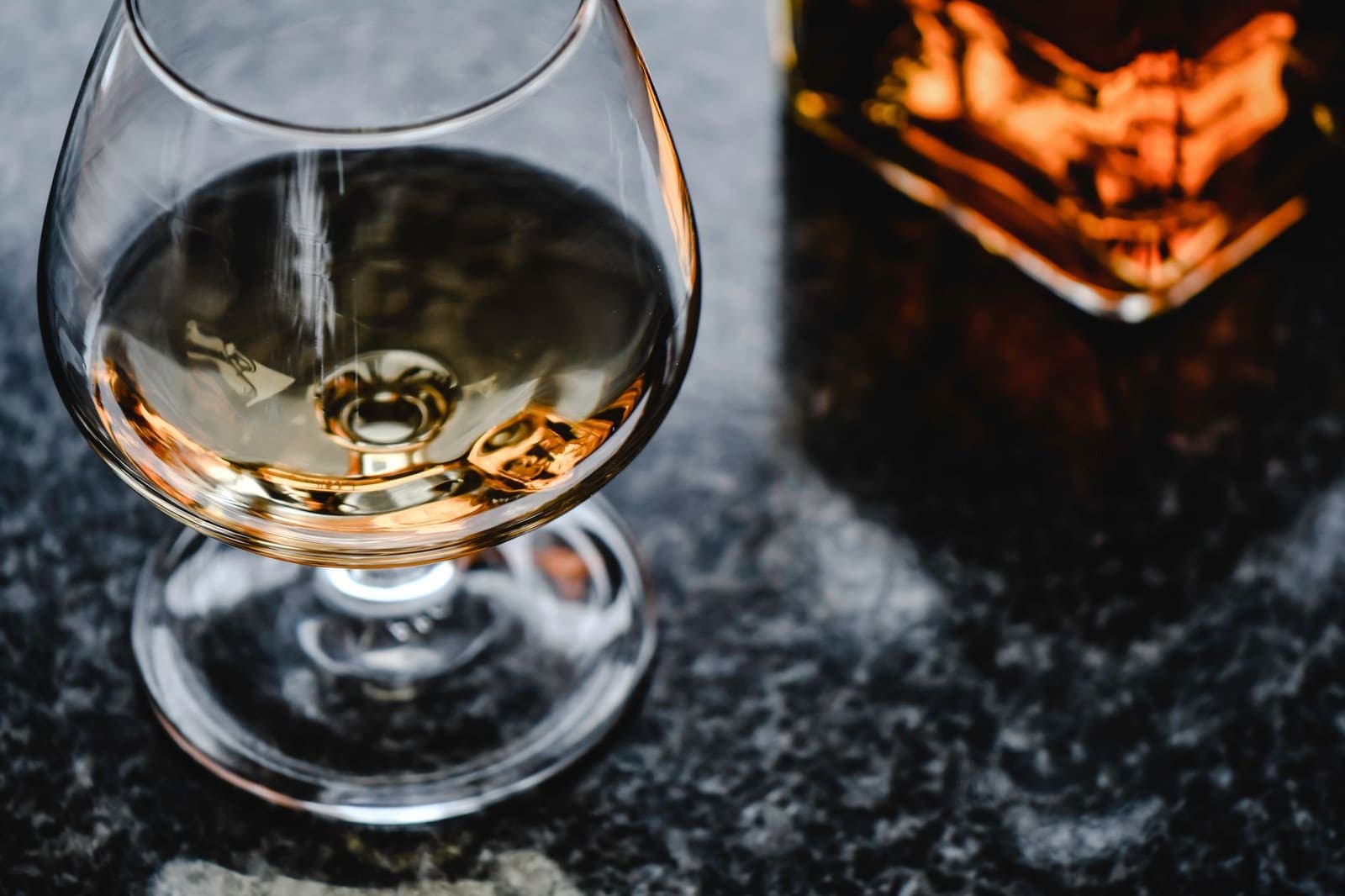 Libbey Embassy Brandy Snifter, 9.25 oz Best for aged spirits you want to warm | Aged spirits you want to warm | |
| 4 |  Schott Zwiesel Tritan Crystal Tumbler Best tumbler that does both jobs | Crystal that survives a dishwasher |
Scroll the table sideways on a narrow screen. Prices are set by the retailer and change, so every price link opens the current listing rather than quoting a number here.
The mechanism
What a glass does to a neat pour
Three things, and they pull against each other. The width of the bowl sets how much liquid surface is exposed, which decides how much aroma evaporates in the first place. The taper at the mouth decides how much of that aroma is funnelled toward your nose rather than dispersed. And the ratio between the two decides how much ethanol arrives with it.
That last point is the one most glassware writing skips. Ethanol is volatile and it carries the aromatic compounds with it, so a glass that concentrates aroma also concentrates alcohol vapour. On a 40% bottle that is a straightforward win. On a 60% cask-strength bottle a tightly tapered glass can deliver a nose that is mostly nail polish, and the fix is either a wider mouth or a few drops of water.
Which is why there is no single best shape, only a best shape for a given bottle and a given purpose. A tasting glass and a drinking glass are different objects, and the double-walled compromise exists because most people want one glass that is tolerable at both.
How we picked
How we picked these
We do not run a test lab, and this page is a selection rather than a blind tasting. We compared published specification, bowl and mouth geometry, material, and what owners and published tasting practice consistently report. In weighted order:
- Bowl-to-mouth ratio. The functional specification of a nosing glass, and the one that is almost never published as a number - it has to be read off the shape.
- How it handles high proof. A glass that is superb at 40% and punishing at 60% is a narrower recommendation than it looks.
- Whether it is a glass you will actually use. A tasting glass that feels like laboratory equipment gets used twice.
- Material and durability. Pressed glass, crystal and double-walled borosilicate wear very differently and wash very differently.
- Whether it takes ice. Not all of these can. It matters if you only want one glass.
Our full method, including what we deliberately do not claim, is on how we pick.
Buying guide
The four shapes side by side
| Shape | Aroma | High proof | Takes ice | Best for |
|---|---|---|---|---|
| Tulip nosing glass | Highest | Can be harsh | No | Comparing bottles |
| Double-walled tulip | High | Manageable | No | Drinking neat in company |
| Brandy snifter | High | Harsh | No | Older, softer spirits you warm |
| Heavy tumbler | Low | Easiest | Yes | One glass for everything |
Read down the high-proof column and the pattern is clear: the better a glass is at delivering aroma, the less forgiving it is of alcohol. If most of your shelf is 46% and above, start with the double-walled glass or the tumbler rather than the tightest taper you can find.
If you own a Glencairn and a cask-strength bottle reads as pure ethanol, you have not bought the wrong glass. Add three or four drops of water, wait a minute, and smell again - the glass is doing exactly what it is designed to do, and the pour was too strong for it undiluted.
Buying guide
The stem question, and why it is not decoration
A nosing glass has a short stem for a functional reason: it keeps your hand off the bowl, so the spirit stays at the temperature you poured it at. A snifter has a short stem for the opposite reason - the bowl is meant to rest in your palm and warm.
That is a real difference in use, not a styling choice, and it maps onto what you are drinking. A young, bright spirit shows better cool. An older, heavier, well-integrated spirit opens up with a few degrees of warmth. If you only ever drink one or the other, the shape follows from that.
A tumbler, of course, splits the difference badly in both directions - your hand is around the glass and the glass is thick enough not to transmit much. Which, for an everyday glass, is fine. It is also why a tumbler is the only shape here that works with a large ice cube; rocks glass size guide covers what size to buy once ice is involved.
Buying guide
How many to buy, and in what order
The order that works for most people, and it is not the order the marketing suggests:
- Four Glencairns first. They cost almost nothing, and the point of a tasting glass is having two filled at once. One nosing glass is a curiosity; four is a tool.
- Then two of the glass you will actually drink out of. Double-walled or tumbler, depending on whether aroma or ice matters more to you.
- Then a snifter, if your shelf justifies it. This is a specialist for aged, soft spirits. It is a lovely thing and it is the last purchase, not the first.
What to skip: the heavy, deeply cut, decorative whiskey tumbler sold in pairs in a presentation box. The cut pattern is on the outside where it does nothing for the drink, the weight is in the base rather than the walls, and the wide straight mouth is the worst possible geometry for a neat pour. If you want cut glass for an old fashioned, best rocks glasses covers the versions that are actually well made.
And if the neat pour is only half of what you drink, read what glass for a Manhattan next - stirred drinks served up want a different shape again.
The picks in full
Every pick, and who each one is for
01 · Best overall
Norlan Whisky Glass
Norlan · The one worth stretching for
A double-walled glass that behaves like a tasting copita inside and a tumbler outside - and it is not a rocks glass.
A double-walled glass with a tulip-shaped inner vessel - so it does the aroma-concentrating job of a nosing glass while reading from the outside as a tumbler. The internal protrusions break the surface of the liquid when you swirl, which increases the evaporating area, and the double wall insulates your hand from the pour. It is lighter than it looks, and the shape takes some getting used to.
The specs that decide it
- Construction:
- double walled, hand blown borosilicate
- Interior:
- tapered tasting profile
- Ice:
- not designed for large cubes
- Sold as:
- pairs
Who it is for
- The interior taper concentrates aroma the way a copita does, without looking like lab glass
- Double wall keeps your hand off the spirit, so a neat pour stays where you poured it
- Genuinely light, which changes how a long neat drink feels
Where it gives ground
- Not a cube glass - the interior profile fights a 2-inch block
- Hand-blown borosilicate is a careful-washing object
Skip this one if you drink whiskey on a big rock. This glass is built for the opposite habit.
02 · Best for comparing bottles
Glencairn Whisky Glass
Glencairn · Entry tier
The standard nosing glass, and the cheapest way to find out how much of a whisky you have been missing.
The reference glass. A wide bowl to give the spirit surface area, a narrow mouth to funnel the aroma, and a short stem so your hand is not in the bowl - this is the shape distilleries and tasting panels standardised on, and it costs a fraction of everything else here. Buy four rather than one, because its real use is tasting two things side by side.
The specs that decide it
- Shape:
- tulip with a tapered mouth
- Use:
- neat tasting and comparison
- Ice:
- none - the bowl is too narrow
- Sets:
- 2, 4 and 6
Who it is for
- The taper genuinely concentrates aroma, which is most of flavor
- Cheap enough to own six and pour side by side
- Short stem keeps your palm off the bowl
Where it gives ground
- It is a tasting glass, not a drinking glass - nobody wants a two-hour Manhattan in one
- Tips easily on a soft surface
Skip this one if you want one glass for everything. This does one job extremely well and nothing else.
03 · Best for aged spirits you want to warm
Libbey Embassy Brandy Snifter, 9.25 oz
Libbey · Entry tier
The classic wide-bowl, narrow-mouth snifter: it concentrates aroma, and the bowl sits in your palm so your hand opens the spirit up.
The classic wide-bowl snifter with a short stem, meant to sit in your palm so body heat opens the spirit up. On an older, gentler whiskey or a cognac that is a real improvement. On anything at cask strength the enormous evaporating surface sends ethanol straight up at you, which is the trade-off and the reason it is not the overall pick.
The specs that decide it
- Capacity:
- 9.25 oz
- Shape:
- wide bowl, tapered mouth
- Stem:
- short
- Material:
- pressed glass
Who it is for
- A wide bowl gives a large evaporating surface, so there is more aroma to collect at the taper
- The short stem is deliberate - the bowl is meant to rest in the hand and warm the pour
- Cheap enough to own four, which is the point of a tasting glass
Where it gives ground
- That same wide surface releases ethanol vapour quickly, so a cask-strength pour can read hot
- Not a cocktail glass by any reading - this has exactly one job
Skip this one if you drink mostly unaged or high-proof spirits neat. A narrower copita or tulip handles ethanol better.
04 · Best tumbler that does both jobs
Schott Zwiesel Tritan Crystal Tumbler
Schott Zwiesel · The one worth stretching for
Titanium-reinforced crystal: the look of fine glassware with break and chip resistance that fine glassware does not have.
If you want one glass rather than a shelf of specialists, a good crystal tumbler is the compromise worth making. You lose the aroma funnel entirely - a straight-sided glass lets everything escape - but you gain a glass that takes a large ice cube for an old fashioned and survives a dishwasher. Tritan crystal is the part that makes this honest rather than a downgrade.
The specs that decide it
- Material:
- Tritan crystal
- Reinforcement:
- titanium and zirconium in the melt
- Dishwasher:
- rated for repeated cycles
- Lead:
- lead free
Who it is for
- Genuinely dishwasher durable, which almost no crystal is
- Clarity and ring are crystal, not pressed glass
- Rims resist chipping, which is where glasses actually die
Where it gives ground
- Costs several times a Libbey tumbler
- Still glass - durable is not indestructible
Skip this one if you are buying eight glasses for a party. Buy Libbey and keep these for the pour that matters.
Honest limits
What we could not verify
We have not poured the same whiskey into all four of these and assessed them blind, so the aroma judgments rest on the published geometry of each shape, on standard tasting practice, and on consistent owner reports - not on our own controlled comparison. Capacities and materials are as published by each maker. We quote no prices and no scores.
We do not run a test lab and we have not personally used every product here. Where a judgment rests on published specifications or on what owners report rather than on our own hands, we say so. Read the full method.
Questions
Related questions
- What is the best glass for drinking whiskey neat?
- A tulip-shaped glass with a wide bowl and a narrow mouth. The bowl gives the spirit surface area to evaporate from and the taper funnels that aroma to your nose. A Glencairn is the reference version and costs very little; a double-walled tulip like the Norlan does the same job in a glass that looks like a tumbler.
- Is a Glencairn glass worth it?
- For comparing bottles, yes, and it is inexpensive enough that the question barely arises. Its weakness is high proof: the same taper that concentrates aroma concentrates ethanol vapour, so a cask-strength pour can read hot. A few drops of water fixes that.
- Can you drink whiskey neat from a rocks glass?
- Yes. You lose most of the aroma because a straight-sided glass lets it disperse, but you gain a glass that takes a large ice cube and gets used every day. If you only want one whiskey glass, a heavy 12oz tumbler is the honest compromise.
- What is the difference between a nosing glass and a snifter?
- A nosing glass has a narrow tapered mouth and a short stem meant to keep your hand off the bowl, so the spirit stays cool. A snifter has a wider bowl and is meant to sit in your palm so body heat warms the pour. One is built for assessing a spirit, the other for enjoying an aged one.
- Should whiskey glasses go in the dishwasher?
- Pressed glass and Tritan crystal tumblers are fine. Double-walled glasses and thin-stemmed nosing glasses are better hand washed - the double wall can trap water between layers and thin stems break against racks.
Sources
Read next
Related reading
- Coupes, rocks glasses and the rest
Rocks glasses, coupes and Nick and Noras - the vessel decides temperature, aroma and carry.
- Glencairn vs snifter
One glass holds the pour as served, the other warms it in your palm - and cask strength is where they split.
- Norlan whisky glass review
What the double wall buys you, why it is not a rocks glass, and the cheaper nosing alternative.
- Best rocks glasses
Capacity, rim and wall thickness compared - starting with whether your ice actually fits.
- Rocks glass size guide
Single against double old fashioned, and the capacity arithmetic once your ice gets an upgrade.
- Best ice for whiskey
Size, shape and clarity ranked by how much each actually changes a whiskey pour - including when to skip the ice.