Review
Glencairn glass review
The most widely used whisky glass in the world, and the one most people buy without asking what it is for. What the shape actually does, and the three jobs it is wrong for.
By Michael W. · Published November 2026
The short answer
The Glencairn is the right first whisky glass for almost anyone who drinks whisky neat, and it is the wrong glass for ice, for a long drink and for a dinner table. Everything good about it comes from one design decision - a wide bowl that tapers to a narrow mouth, derived from the nosing copitas used in Scottish blending labs - which concentrates aroma above the liquid instead of letting it escape. Everything bad about it comes from the same decision: there is no room for a large cube, the squat stemless foot is unstable on a crowded table, and the whole object looks like tasting equipment, because that is what it is. It is sold in sets, it is inexpensive relative to anything else in the whisky glass category, and it has a stronger claim to being a standard than any competitor - it took a Queen's Award for Innovation in 2006 and the Scotch Whisky Association endorsed it. Buy it, own four, and buy a rocks glass as well.
We earn a commission if you buy through the links on this page, at no extra cost to you. It never changes which product we pick. How we are funded.
Quick picks
| # | Product | Best for | Price |
|---|---|---|---|
| 1 | 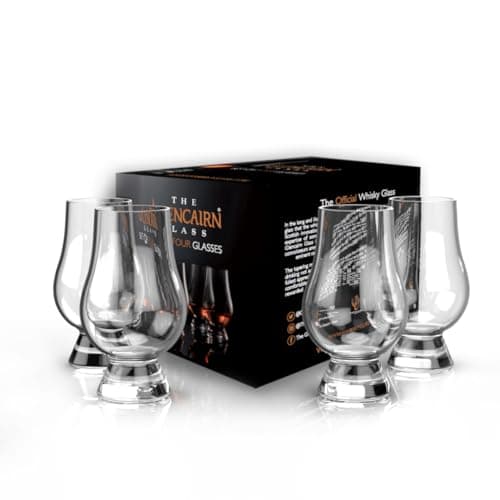 Glencairn Whisky Glass The glass under review | Nosing and comparing | $29.90 View on Amazon #ad how we are funded - price as of November 3, 2026 |
| 2 | 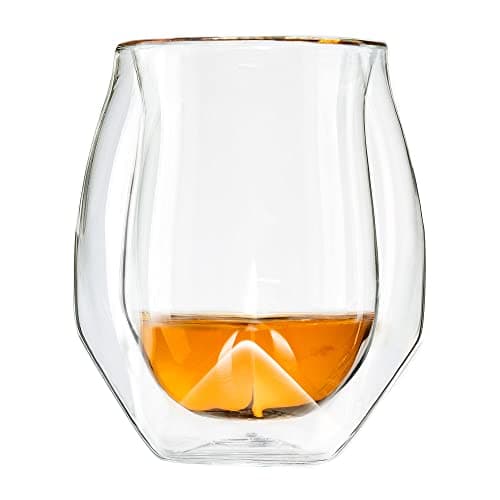 Norlan Whisky Glass If you want the same effect without the lab look | Neat whisky | $32.00 View on Amazon #ad how we are funded - price as of November 3, 2026 |
| 3 | 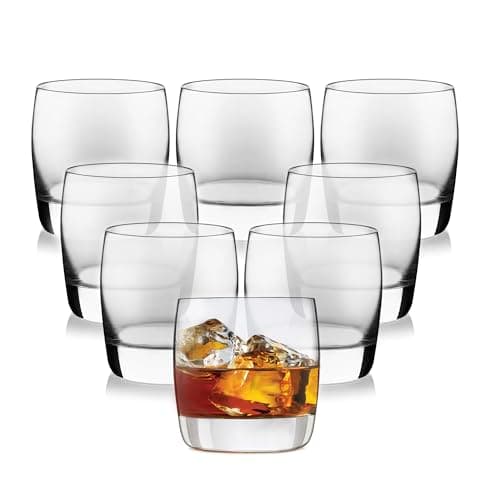 Libbey Signature Kentfield Rocks Glasses What to buy alongside it | Everyday rocks glass | |
| 4 | 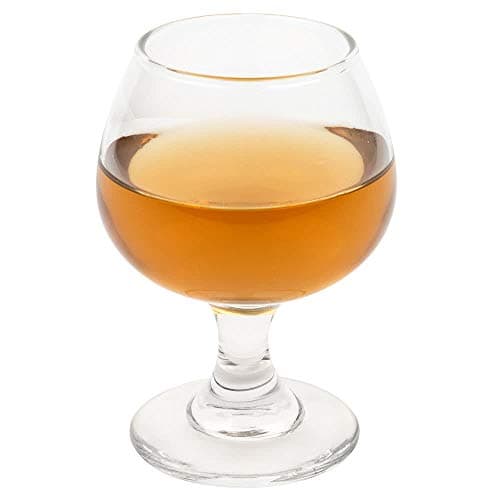 Libbey Embassy Brandy Snifter, 5.5 oz The cheaper nosing alternative | Aged spirits you want to warm | $22.92 View on Amazon #ad how we are funded - price as of November 3, 2026 |
Scroll the table sideways on a narrow screen. Every price in this table comes from Amazon’s own product data, is refreshed daily, and is stamped with the date it was read - and the button opens the current listing, which is always the final word.
Before anything else
This is a research-based review
We have not run a blind tasting panel across this glass and a control. What follows comes from the published history and specification, from the physical mechanism the shape uses, and from what the glass is demonstrably used for across the industry. Where a judgment rests on one of those rather than our own hands, this page says so.
It is worth stating plainly on this glass in particular, because a lot of Glencairn coverage is written as sensory testimony by people who tasted one dram once. How we pick sets out the method we actually use.
What it is
Where the shape came from
Glencairn Crystal is a family business in East Kilbride, near Glasgow, and has been producing glassware since 1981. This glass came into production in 2001. The form is not an invention so much as a formalization: it is derived from the nosing copitas already used in whisky laboratories around Scotland, and master blenders from five of the largest Scotch companies were involved in selecting the design.
That origin is the single most useful fact about the glass, because it tells you what it optimizes for. A blending lab is not trying to make a pour pleasant to nurse for an hour. It is trying to get the maximum amount of aroma information out of a small measure, repeatably, across a bench of samples. Everything the glass does well and everything it does badly follows from being built for that job and then sold for a different one.
The claims to standard status are real and they are unusually well documented for a drinking vessel. The glass took a Queen's Award for Innovation in 2006, and it was the first whisky glass style endorsed by the Scotch Whisky Association. That endorsement is why you meet the same glass at distillery tastings on both sides of the Irish Sea, which in turn is why it has become the default in a way no competitor has managed.
Materially, the glass has been made in three variations - 24% lead crystal, lead-free crystal, and soda-lime glass, the last of which was discontinued in 2008. The glasses in general circulation, including the set this page links to, are lead-free crystal.
The mechanism
What the shape actually does
A tapered bowl works on aroma in two ways at once, and both are worth understanding because they tell you how to hold the glass.
First, surface area. A wide bowl gives the whisky a large liquid surface, and volatile aroma compounds leave that surface continuously. More surface means more aroma released per second than you would get from the same measure in a narrow tube.
Second, the narrowing mouth. Those released compounds then have to leave through a restricted opening, so they accumulate in the headspace above the liquid rather than dispersing. When you put your nose to the rim, you are not sampling the air above a drink - you are sampling a concentrated column. A straight-sided tumbler does the first part and actively undoes the second, which is why the same whisky genuinely smells of less in a rocks glass.
Two practical consequences follow. One: a small pour works better than a large one, because the bowl needs headspace to collect anything - the glass is designed around roughly a 50 ml measure in an approximately 175 ml bowl, and filling it halfway defeats it. Two: your hand is on the bowl, because the base is short and there is no stem, so a long slow drink does warm from your palm. If that bothers you, the double-walled Norlan exists specifically to solve it. Best whiskey glasses for neat pours ranks the whole category on this mechanism.
Glencairn does not publish a capacity or height figure on its retail product page, and retailer listings vary between about 170 ml and 200 ml. The approximately 175 ml total and approximately 115 mm height used here are the figures recorded for the standard glass in general reference, not a manufacturer specification, and the glass is best understood by its intended 50 ml measure rather than by its brim capacity.
Who it is for
Who should buy one, and how many
- Anyone who drinks whisky neat and wants to taste more of it. This is the glass's designed job and it does it better per dollar than anything else in the category.
- Anyone comparing two whiskies. This is the strongest case of all, and it is the reason to buy four rather than one. Two drams in two identical glasses side by side will teach you more in ten minutes than a year of drinking the same whisky out of a tumbler.
- Anyone building a whisky shelf from nothing. It is the cheapest serious piece of equipment on that shelf, and the one that changes the most about what you can perceive.
- Anyone who hosts tastings. It is the glass the industry uses, it stacks into a cupboard, and breaking one is an inconvenience rather than an event.
And who should not: anyone whose whisky habit involves ice, anyone who wants one impressive glass rather than four working ones, and anyone who will be irritated that it looks like a piece of lab apparatus on a dinner table. Those are not small objections and the next section takes them seriously.
Trade-offs
The three things it is genuinely bad at
1. Ice
This is the big one. The bowl tapers inward from a point low down, so a 2-inch cube either does not clear the mouth or sits wedged in the taper with the pour around it, and a handful of small cubes fills the bowl and eliminates the headspace the design depends on. There is no technique that fixes this - it is the shape. If your whisky habit is a large clear cube and a generous pour, buy a 12 oz rocks glass and keep the Glencairn for the bottles you drink neat. Best ice for whiskey covers the ice side of that decision, and rocks glass size guide covers the glass.
2. Stability and the dinner table
The short squat foot is deliberate - it keeps the glass stackable and cheap to ship, and it survives being set down firmly on a bench. On a crowded table among plates and stems it is less forgiving than it looks, because the center of mass sits high in the bowl relative to that small base. It also means your hand is always on the bowl, with the warming that implies.
3. It looks like what it is
A Glencairn signals analysis. In a tasting that is exactly right and part of the pleasure; handed to a guest who wanted a drink rather than an examination, it lands differently. This is a genuine reason some people prefer the Norlan, and it is not a snobbish one - a glass is part of how a drink is received. The honest framing is that the Glencairn is equipment and a tumbler is hospitality, and most home bars want both.
A fourth, smaller note: dishwasher guidance for this glass is inconsistent across sellers, with some listings describing it as dishwasher safe and others specifying hand wash. Glencairn does not state it on the retail product page. Given it is lead-free crystal with a thin rim, we would hand wash it regardless of what the listing says - the rim is where the risk is and the glass is too cheap to make a dishwasher cycle worth the gamble. Are crystal glasses dishwasher safe has the full rules by material.
The alternatives
What else does this job, and when to prefer it
Three glasses compete with the Glencairn for the same place on a shelf, and each wins a specific argument.
| Glass | Aroma concentration | Stem or hand on bowl | Takes a large cube | When to prefer it |
|---|---|---|---|---|
| Glencairn | Strong - narrow mouth over a wide bowl | Hand on bowl, short base | No | Tasting, comparing, building a whisky shelf cheaply |
| Norlan | Strong - internal taper | Double wall insulates the hand | No | You want the tasting effect without the lab appearance |
| Brandy snifter | Good - wider bowl, faster release | Stem, hand off the bowl | No | You already own them, or you want a stem |
| Rocks glass, 12 oz | Poor - open mouth disperses aroma | Hand on bowl, wide base | Yes | Ice, old fashioneds, anything long |
Read that table as a two-glass answer rather than a competition. The whisky side of a home bar is a nosing glass plus a rocks glass, and the Glencairn is the cheapest good answer to the first half. The comparisons in full: Norlan vs Glencairn on the double wall, Glencairn vs snifter on the stem, and best rocks glasses for the other half of the pair.
One last practical point in the glass's favor that rarely gets mentioned: because it is the industry default, it is the glass your reference points were formed in. Tasting notes on a bottle, at a distillery, in a review - most of them were written by someone nosing out of this shape. Using the same glass is the cheapest way to make other people's notes mean something when you read them.
The picks in full
Every pick, and who each one is for
01 · The glass under review
Glencairn Whisky Glass
Glencairn · Entry tier
#ad how we are funded - price as of November 3, 2026
The standard nosing glass, and the cheapest way to find out how much of a whisky you have been missing.
The standard Glencairn, sold as a set of four. A tapering tulip bowl on a short squat base, approximately 115 mm tall, holding approximately 175 ml to the brim and designed around a measure of roughly 50 ml. Lead-free crystal for the glasses in general circulation. The set of four is the right quantity, because the thing this glass is best at is pouring two whiskies side by side.
The specs that decide it
- Shape:
- tulip with a tapered mouth
- Use:
- neat tasting and comparison
- Ice:
- none - the bowl is too narrow
- Sets:
- 2, 4 and 6
Who it is for
- The taper genuinely concentrates aroma, which is most of flavor
- Cheap enough to own six and pour side by side
- Short stem keeps your palm off the bowl
Where it gives ground
- It is a tasting glass, not a drinking glass - nobody wants a two-hour Manhattan in one
- Tips easily on a soft surface
Skip this one if you want one glass for everything. This does one job extremely well and nothing else.
02 · If you want the same effect without the lab look
Norlan Whisky Glass
Norlan · The one worth stretching for
#ad how we are funded - price as of November 3, 2026
A double-walled glass that gives you a nosing profile on the inside and a tumbler in the hand on the outside.
A double-walled glass with a tasting taper inside and a tumbler profile outside, so it concentrates aroma like a Glencairn while reading as something you are happy to hold in company. It is several times the price per glass and it is sold one at a time, which is the trade. Our [Norlan whisky glass review](/glassware/norlan-whisky-glass-review) has the full argument.
The specs that decide it
- Construction:
- double walled, hand blown borosilicate
- Capacity:
- 5.9 oz
- Ice:
- not designed for large cubes
- Sold as:
- single glass with a polishing cloth
Who it is for
- The inner wall is a tasting shape, so the aroma behaves like a copita rather than a tumbler
- The outer wall keeps your hand off the spirit, which is the opposite of a snifter's argument and better for cask strength
- Borosilicate is thin where it matters and still survives normal handling
Where it gives ground
- Sold one at a time, so a pair is two orders
- The double wall makes it awkward to dry and it is not a dishwasher glass
Skip this one if you drink whisky over a big cube. The bowl is not built for 2-inch ice and the glass makes no sense without the shape.
03 · What to buy alongside it
Libbey Signature Kentfield Rocks Glasses
Libbey · Entry tier
Thin-walled, laser-cut rim, US-made and cheap enough to own eight - the sensible default rocks glass.
The Glencairn cannot take a 2-inch cube, and pretending otherwise is the main way people end up disappointed with it. A 12 oz straight-sided rocks glass handles the ice, the old fashioned and the highball-adjacent pours, and between the two you have the whisky side of a home bar covered.
The specs that decide it
- Capacity:
- 12 oz (also sold 9 oz)
- Glass:
- Libbey ClearFire composition
- Rim:
- laser cut, chip resistant
- Sets:
- 4 and 8
Who it is for
- 12 oz is the size that actually fits a 2-inch cube with room for the pour
- Laser-cut rim survives a dishwasher far better than a rolled rim
- Cheap enough that breaking one is an annoyance, not an event
Where it gives ground
- Thin walls warm a neat pour faster than heavy crystal
- Plain enough to be forgettable next to a cut glass
Skip this one if your rocks glass is the centerpiece of the drink. A heavier cut or crystal glass reads better in the hand.
04 · The cheaper nosing alternative
Libbey Embassy Brandy Snifter, 5.5 oz
Libbey · Entry tier
#ad how we are funded - price as of November 3, 2026
The classic wide-bowl, narrow-mouth snifter: it concentrates aroma, and the bowl sits in your palm so your hand opens the spirit up.
A classic snifter concentrates aroma by the same mechanism with a wider bowl and a proper stem, so your hand is off the glass. It is less specific to whisky and the wide bowl releases aroma faster, but if you already own snifters you are not starting from nothing. [Glencairn vs snifter](/glassware/glencairn-vs-snifter) is the head-to-head.
The specs that decide it
- Capacity:
- 5.5 oz
- Shape:
- wide bowl, tapered mouth
- Stem:
- short
- Sold as:
- set of 2
Who it is for
- A wide bowl gives a large evaporating surface, so there is more aroma to collect at the taper
- The short stem is deliberate - the bowl is meant to rest in the hand and warm the pour
- Cheap enough to own several, which is the point of a tasting glass
Where it gives ground
- That same wide surface releases ethanol vapour quickly, so a cask-strength pour can read hot
- 5.5 oz is a small bowl - a generous pour fills more of it than a snifter wants
Skip this one if you drink mostly unaged or high-proof spirits neat. A narrower copita or tulip handles ethanol better.
Honest limits
What we could not verify
We have not run a blind tasting panel with this glass against a control, and no claim here rests on our own sensory testing. Glencairn publishes no capacity, height, material or dishwasher guidance on its retail product page, so the approximately 175 ml capacity, approximately 115 mm height and lead-free crystal material are the figures generally recorded for the standard glass rather than a manufacturer specification - retailer listings vary between about 170 ml and 200 ml. Dishwasher guidance is inconsistent between sellers; our hand-wash recommendation is our own judgment from the material and rim, not a manufacturer instruction.
We do not run a test lab and we have not personally used every product here. Where a judgment rests on published specifications or on what owners report rather than on our own hands, we say so. Read the full method.
Questions
Related questions
- Is the Glencairn glass worth it?
- For neat whisky, yes - it is the cheapest piece of equipment that measurably changes what you can perceive, because the tapering bowl collects aroma in the headspace instead of letting it disperse. It is not worth it if your whisky habit involves a large ice cube, because the taper has no room for one.
- How much does a Glencairn glass hold?
- Approximately 175 ml to the brim by the figures generally recorded for the standard glass, and it is designed around a measure of roughly 50 ml. Glencairn does not publish a capacity on its retail product page and retailer listings range from about 170 ml to 200 ml. The intended measure matters more than the brim figure, because the glass needs headspace to work.
- Can you put ice in a Glencairn glass?
- Not usefully. The bowl tapers inward low down, so a 2-inch cube will not clear the mouth or sits wedged in the taper, and small cubes fill the headspace the design depends on. Use a 12 oz straight-sided rocks glass for anything with ice and keep the Glencairn for neat pours.
- Why is the Glencairn glass shaped like that?
- It is derived from the nosing copitas used in Scottish whisky laboratories, and master blenders from five large Scotch companies helped select the design. The wide bowl releases aroma from a large liquid surface and the narrow mouth concentrates it above the whisky instead of letting it disperse.
- Is the Glencairn glass dishwasher safe?
- Sellers disagree and Glencairn does not state it on the retail product page - some listings say dishwasher safe, others specify hand wash. It is lead-free crystal with a thin rim, so we would hand wash it regardless. The rim is where dishwasher damage shows first.
- Glencairn or Norlan?
- Glencairn if you want the tasting effect cheaply and in quantity, and you do not mind that it looks like equipment. Norlan if you want much the same aroma concentration in a glass that reads as a tumbler and keeps your hand's heat out of the spirit - at several times the price, sold one at a time.
- Has the Glencairn glass won any awards?
- Yes. It received a Queen's Award for Innovation in 2006, and it was the first style of whisky glass endorsed by the Scotch Whisky Association - which is a large part of why it has become the default glass at distillery tastings.
- How many Glencairn glasses should I buy?
- Four. The glass's strongest use is pouring two whiskies side by side in identical glasses, which you cannot do with one, and a set of four costs little more per glass than a pair. Four also covers a small tasting with friends without borrowing stems from elsewhere.
Sources
Read next
Related reading
- Coupes, rocks glasses and the rest
Rocks glasses, coupes and Nick and Noras - the vessel decides temperature, aroma and carry.
- Norlan vs Glencairn
A tasting tulip against a double-walled tumbler - and the rocks glass that beats both for the way most people actually drink.
- Glencairn vs snifter
One glass holds the pour as served, the other warms it in your palm - and cask strength is where they split.
- Best whiskey glasses for neat pours
Nosing glasses, snifters and tumblers compared on aroma, ethanol and whether they take ice.
- Best rocks glasses
Capacity, rim and wall thickness compared - starting with whether your ice actually fits.
- Best ice for whiskey
Size, shape and clarity ranked by how much each actually changes a whiskey pour - including when to skip the ice.