Head to head
Glencairn vs snifter
Both concentrate aroma and they do it for different reasons. One is built to keep a spirit at the temperature you poured it; the other is built to warm it in your hand.
By Michael W. · Published October 2026
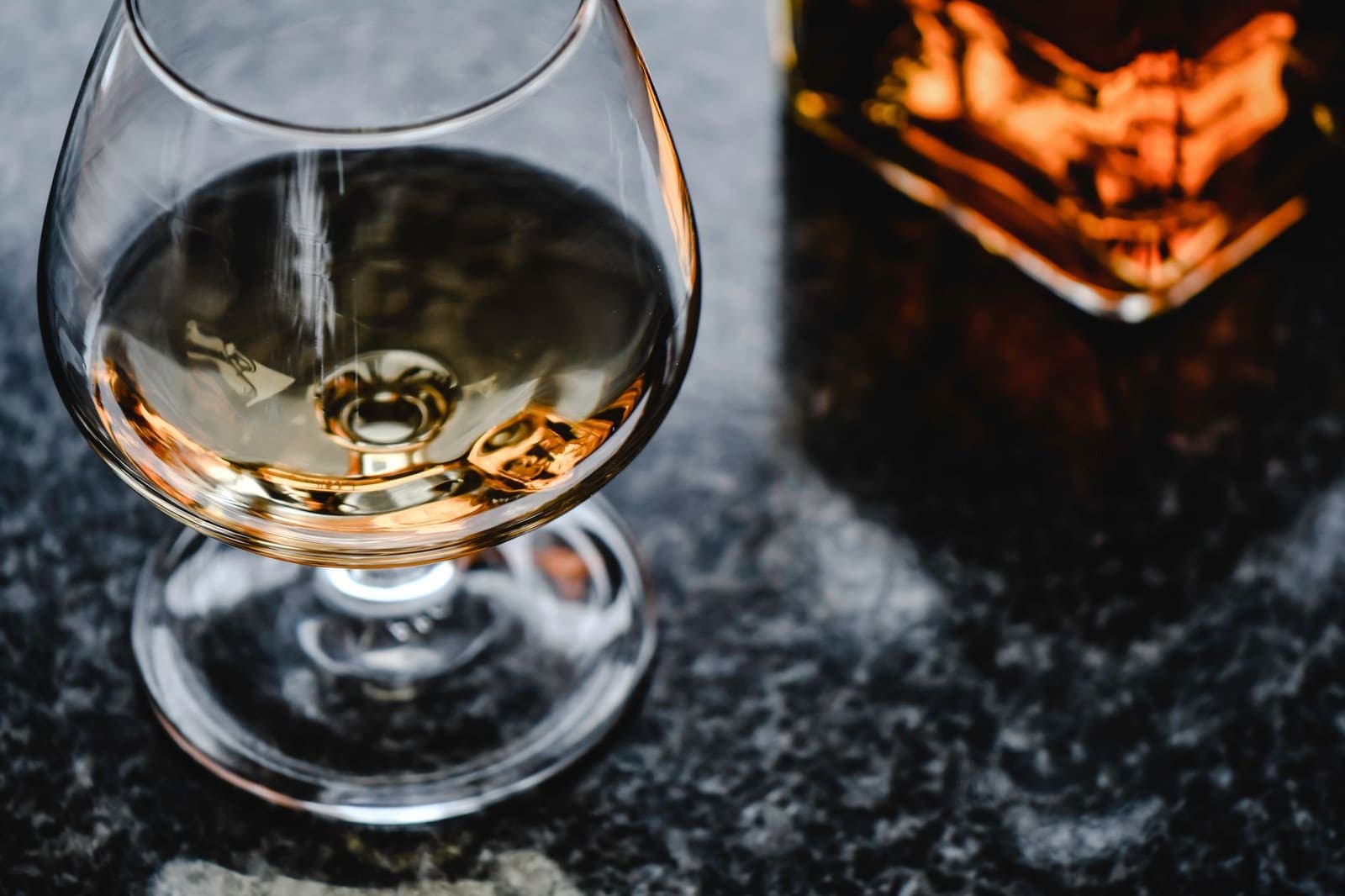
The short answer
Buy the Glencairn if you want to assess what is in the bottle: the tight taper and the short stem are designed to deliver aroma while keeping your hand off the bowl, and it is the glass the whisky industry actually standardised on. Buy a snifter if you drink older, softer, well-integrated spirits and you want to warm them - the wide bowl sits in your palm and a few degrees of warmth genuinely opens an aged cognac or a 21-year scotch. For cask-strength bourbon, neither is ideal and the Glencairn is the lesser evil with a few drops of water in it. If you only buy one, buy the Glencairn: it is a fraction of the price, it is the reference shape, and four of them cost less than one good tumbler.
We earn a commission if you buy through the links on this page, at no extra cost to you. It never changes which product we pick. How we are funded.
Quick picks
| # | Product | Best for | Price |
|---|---|---|---|
| 1 | 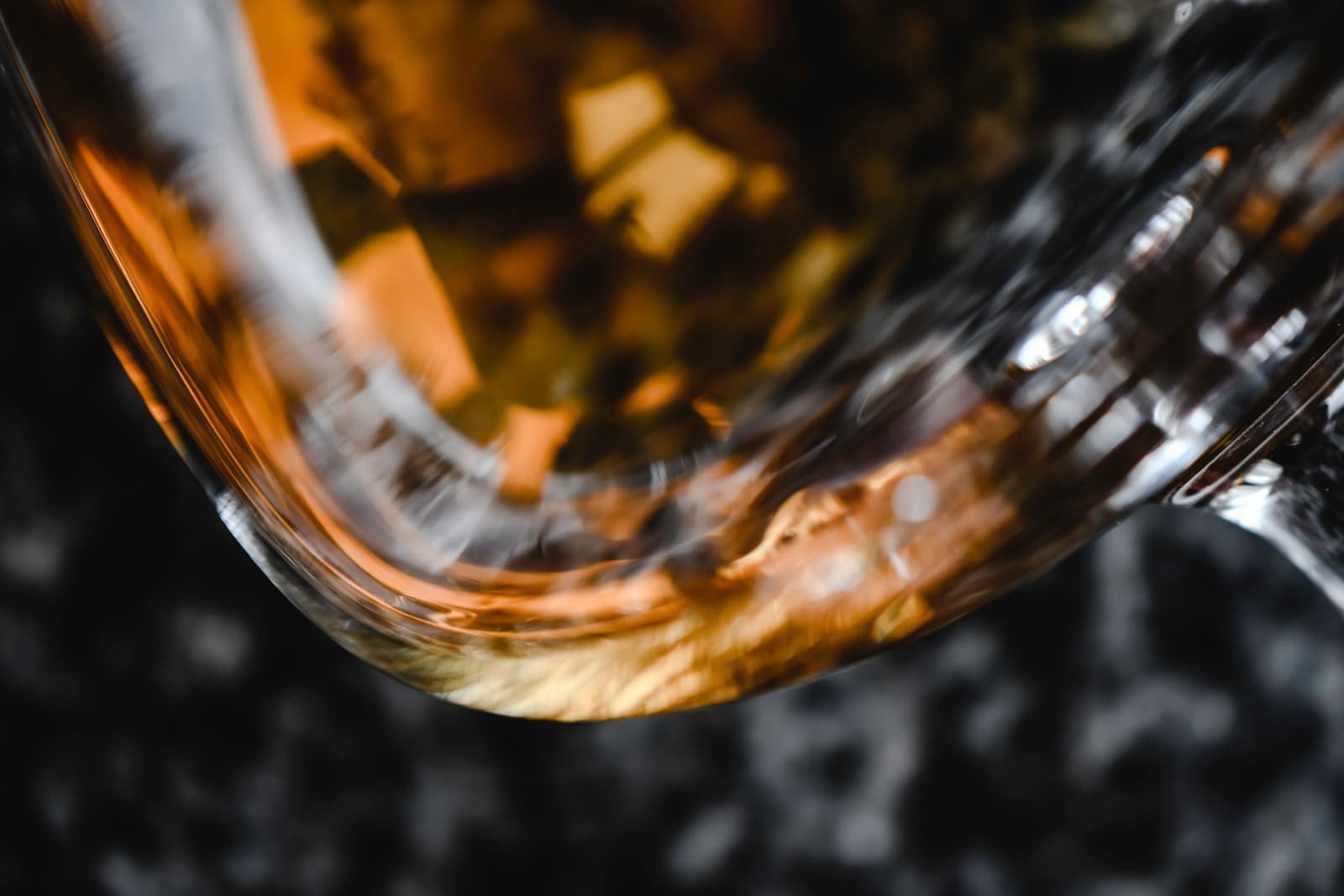 Glencairn Whisky Glass Buy this for assessing whisky | Nosing and comparing | |
| 2 | Libbey Embassy Brandy Snifter, 9.25 oz Buy this for aged spirits you warm | Aged spirits you want to warm | |
| 3 | 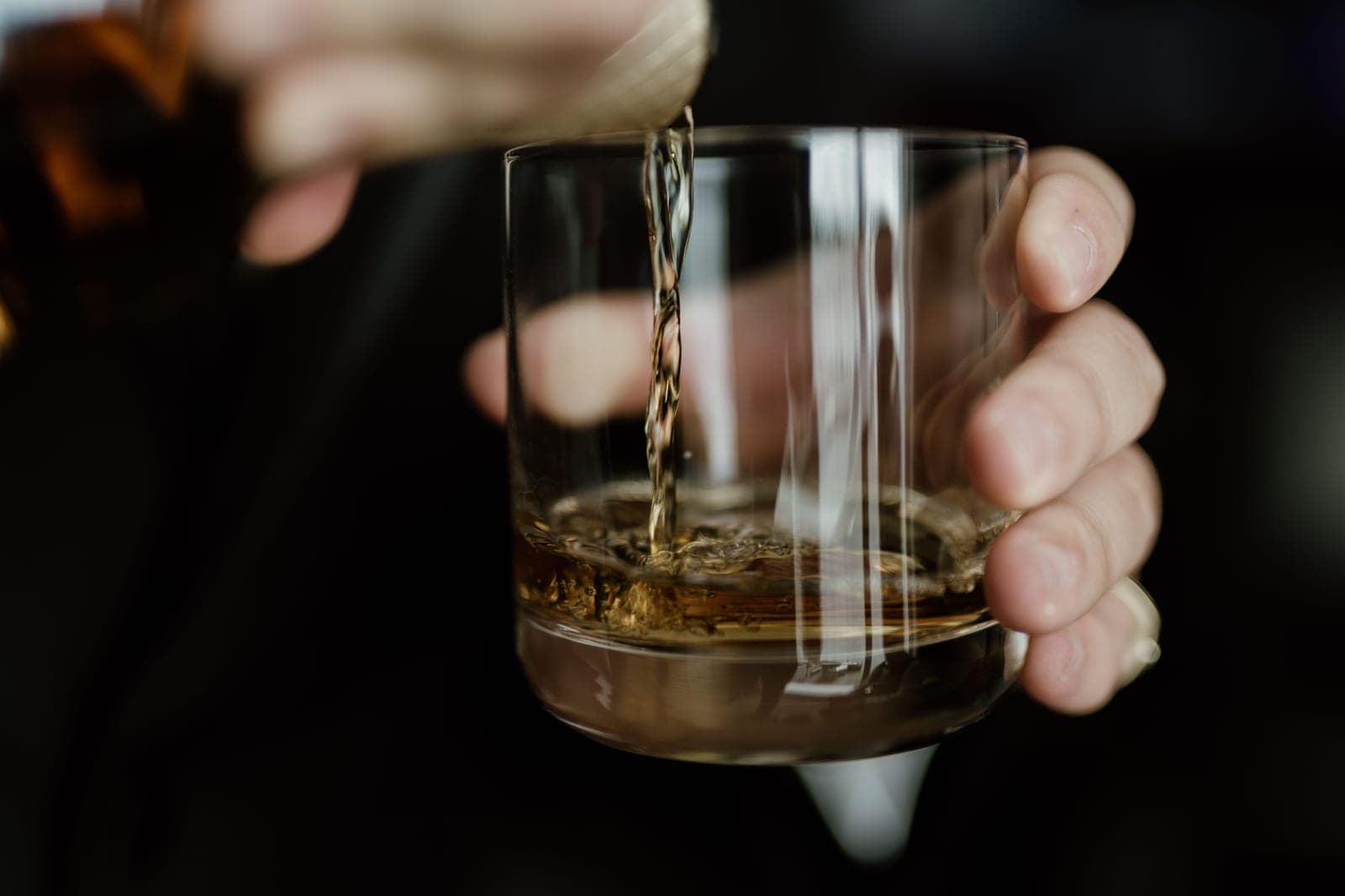 Norlan Whisky Glass The glass that splits the difference | Neat whisky |
Scroll the table sideways on a narrow screen. Prices are set by the retailer and change, so every price link opens the current listing rather than quoting a number here.
Side by side
The comparison in one table
| Glencairn | Brandy snifter | |
|---|---|---|
| Bowl | Narrow, tall, tulip | Wide, shallow, round |
| Mouth | Tight taper | Moderate taper |
| Stem | Short - keeps hand off bowl | Short - bowl rests in palm |
| Temperature intent | Hold the pour as served | Warm the pour by hand |
| Aroma delivery | Highest, most focused | High, broader |
| Cask strength | Hot without water | Hot, and harder to fix |
| Takes ice | No | No |
| Typical use | Tasting and comparing | Aged spirits after dinner |
The row that decides this for most people is temperature intent. These two glasses have opposite designs on what should happen to the pour while you drink it, and everything else follows from that.
Geometry
Why the bowl shapes point in different directions
A Glencairn's bowl is tall and relatively narrow, so a 2oz pour sits deep with a modest surface area, and the sides rise steeply to a tight neck. Aroma collects in the headspace and is funnelled out in a narrow stream. Because the bowl sits above a short stem and a flat base, your hand holds the base rather than the liquid.
A snifter's bowl is wide and shallow, so the same 2oz spreads into a much larger surface area. More surface means more evaporation, which means more aroma available - and the bowl's underside is exposed, so your palm cups it and adds heat, which increases evaporation again.
Both routes end up delivering a lot of aroma. The difference is that the Glencairn gets there by funnelling and the snifter gets there by evaporating. Funnelling is neutral about what it carries. Evaporation is not - it favours the most volatile compounds, and the most volatile compound in whisky is ethanol.
High proof
Cask strength is where they separate
At around 40% to 46%, both glasses are pleasant and the choice is preference. Above roughly 50% they diverge sharply, and this is the single most useful thing to know before buying either.
In a snifter, a cask-strength pour over a wide warm surface sends up a volume of ethanol vapour that flattens everything underneath it. You can smell the alcohol and very little else, and because the mechanism is surface area plus heat, there is no technique that fixes it - setting the glass down to cool helps marginally.
In a Glencairn, the same pour is also hot on the nose, but the cause is concentration rather than volume, and concentration is adjustable. Three or four drops of water, a minute's wait, and the ethanol drops back while the aromatics stay. That is why tasting panels use this glass for high-proof spirits and not a snifter.
Add water a few drops at a time, not a splash. The point is to drop the alcohol by a couple of percent, not to dilute the drink - and you cannot take it back out.
By spirit
Which spirit suits which glass
| Spirit | Better glass | Why |
|---|---|---|
| Cask-strength bourbon | Glencairn, with water | Concentration is adjustable; a snifter's is not |
| Standard-proof scotch | Glencairn | Reference shape, most detail |
| Aged scotch, 18 years and up | Either - snifter if you like it warm | Softer, integrated spirits reward a few degrees |
| Cognac and armagnac | Snifter | The shape it was designed around |
| Peated whisky | Glencairn | Smoke compounds read clearest through a tight taper |
| Anything over ice | Neither | Use a 12oz rocks glass |
The last row is worth saying plainly, because both of these glasses get bought as all-purpose whiskey glasses and neither is one. There is no sensible way to put a 2-inch ice cube in either shape. If one glass has to cover neat pours and an old fashioned, that glass is a heavy tumbler - best whiskey glasses for neat pours covers that compromise, and best ice for whiskey covers getting the ice right once you are using one.
The verdict
What most people should actually buy
Four Glencairns. The price makes the decision almost trivially: a set of four costs less than most single tumblers, and the only way a nosing glass earns its keep is by letting you put two spirits beside each other and notice the difference.
Add a snifter later if your shelf leans old and soft - aged cognac, armagnac, long-matured scotch. It is a genuinely different experience rather than a worse version of the same one, and the hand-warming is the point rather than an affectation.
And if the real objection is that you do not want to drink out of something that looks like laboratory glass in front of guests, that is a legitimate reason to buy neither. The double-walled route exists precisely for that, and the Norlan review covers where it gives ground.
The picks in full
Every pick, and who each one is for
01 · Buy this for assessing whisky
Glencairn Whisky Glass
Glencairn · Entry tier
The standard nosing glass, and the cheapest way to find out how much of a whisky you have been missing.
The reference nosing glass: wide bowl, narrow mouth, short stem that keeps your hand off the spirit. It is the shape used by distilleries and tasting panels, which means your impressions are comparable to everyone else's - and it costs little enough that buying four is the obvious move.
The specs that decide it
- Shape:
- tulip with a tapered mouth
- Use:
- neat tasting and comparison
- Ice:
- none - the bowl is too narrow
- Sets:
- 2, 4 and 6
Who it is for
- The taper genuinely concentrates aroma, which is most of flavor
- Cheap enough to own six and pour side by side
- Short stem keeps your palm off the bowl
Where it gives ground
- It is a tasting glass, not a drinking glass - nobody wants a two-hour Manhattan in one
- Tips easily on a soft surface
Skip this one if you want one glass for everything. This does one job extremely well and nothing else.
02 · Buy this for aged spirits you warm
Libbey Embassy Brandy Snifter, 9.25 oz
Libbey · Entry tier
The classic wide-bowl, narrow-mouth snifter: it concentrates aroma, and the bowl sits in your palm so your hand opens the spirit up.
A wide bowl with a tapered mouth and a short stem meant to rest in the palm. On an older, gentler spirit the hand warmth is a real improvement rather than a ritual. On high proof the large evaporating surface works against you.
The specs that decide it
- Capacity:
- 9.25 oz
- Shape:
- wide bowl, tapered mouth
- Stem:
- short
- Material:
- pressed glass
Who it is for
- A wide bowl gives a large evaporating surface, so there is more aroma to collect at the taper
- The short stem is deliberate - the bowl is meant to rest in the hand and warm the pour
- Cheap enough to own four, which is the point of a tasting glass
Where it gives ground
- That same wide surface releases ethanol vapour quickly, so a cask-strength pour can read hot
- Not a cocktail glass by any reading - this has exactly one job
Skip this one if you drink mostly unaged or high-proof spirits neat. A narrower copita or tulip handles ethanol better.
03 · The glass that splits the difference
Norlan Whisky Glass
Norlan · The one worth stretching for
A double-walled glass that behaves like a tasting copita inside and a tumbler outside - and it is not a rocks glass.
A double-walled tulip: it concentrates aroma like a nosing glass, insulates the pour from your hand like one too, and looks like a tumbler so it does not feel like equipment. If this comparison has made you want one glass rather than two, this is that glass.
The specs that decide it
- Construction:
- double walled, hand blown borosilicate
- Interior:
- tapered tasting profile
- Ice:
- not designed for large cubes
- Sold as:
- pairs
Who it is for
- The interior taper concentrates aroma the way a copita does, without looking like lab glass
- Double wall keeps your hand off the spirit, so a neat pour stays where you poured it
- Genuinely light, which changes how a long neat drink feels
Where it gives ground
- Not a cube glass - the interior profile fights a 2-inch block
- Hand-blown borosilicate is a careful-washing object
Skip this one if you drink whiskey on a big rock. This glass is built for the opposite habit.
Honest limits
What we could not verify
We have not run a blind comparison of the same spirit in both glasses, so the aroma and ethanol judgments here rest on the published geometry of each shape and on standard tasting practice rather than on our own controlled test. Capacities and materials are as published by each maker. There are no scores and no prices on this page.
We do not run a test lab and we have not personally used every product here. Where a judgment rests on published specifications or on what owners report rather than on our own hands, we say so. Read the full method.
Questions
Related questions
- Is a Glencairn better than a snifter for whisky?
- For assessing whisky, yes. The tighter taper and the short stem that keeps your hand off the bowl are designed to deliver aroma without changing the temperature of the pour. A snifter is better for aged, softer spirits you want to warm in your palm.
- Can you drink bourbon from a snifter?
- You can, and at standard proof it is pleasant. At cask strength the wide warm bowl releases enough ethanol vapour to flatten everything underneath it, and unlike a Glencairn there is no simple fix - a few drops of water help less when the problem is surface area rather than concentration.
- Why does a Glencairn have a short stem?
- To keep your hand off the bowl so the spirit stays at the temperature you poured it. A snifter's short stem does the opposite job: the bowl is meant to rest in your palm so body heat opens the spirit up.
- Does a Glencairn glass actually make a difference?
- To aroma, yes, and aroma is most of what people call flavor. A wide bowl gives the spirit surface area to evaporate from and the narrow mouth funnels that to your nose instead of dispersing it. Pour the same whisky into a straight-sided tumbler alongside and the difference is immediate.
- Which glass is right for cognac?
- A snifter. The wide bowl and short stem were designed around aged grape spirit specifically - it is soft enough that warming it in the hand improves it, and it is rarely bottled at a proof high enough for the ethanol to become a problem.
Sources
Read next
Related reading
- Coupes, rocks glasses and the rest
Rocks glasses, coupes and Nick and Noras - the vessel decides temperature, aroma and carry.
- Best whiskey glasses for neat pours
Nosing glasses, snifters and tumblers compared on aroma, ethanol and whether they take ice.
- Norlan whisky glass review
What the double wall buys you, why it is not a rocks glass, and the cheaper nosing alternative.
- Best rocks glasses
Capacity, rim and wall thickness compared - starting with whether your ice actually fits.
- Best ice for whiskey
Size, shape and clarity ranked by how much each actually changes a whiskey pour - including when to skip the ice.
- Cocktail glassware types
Every glass shape in one table, plus the three you actually need and the order to buy them.