Guide
Coupe glass size guide
Coupes are sold anywhere from 5 oz to 12 oz under the same name. The capacity you want depends on one thing: whether your up-serves are citrus drinks or spirit-forward ones.
By Michael W. · Published October 2026
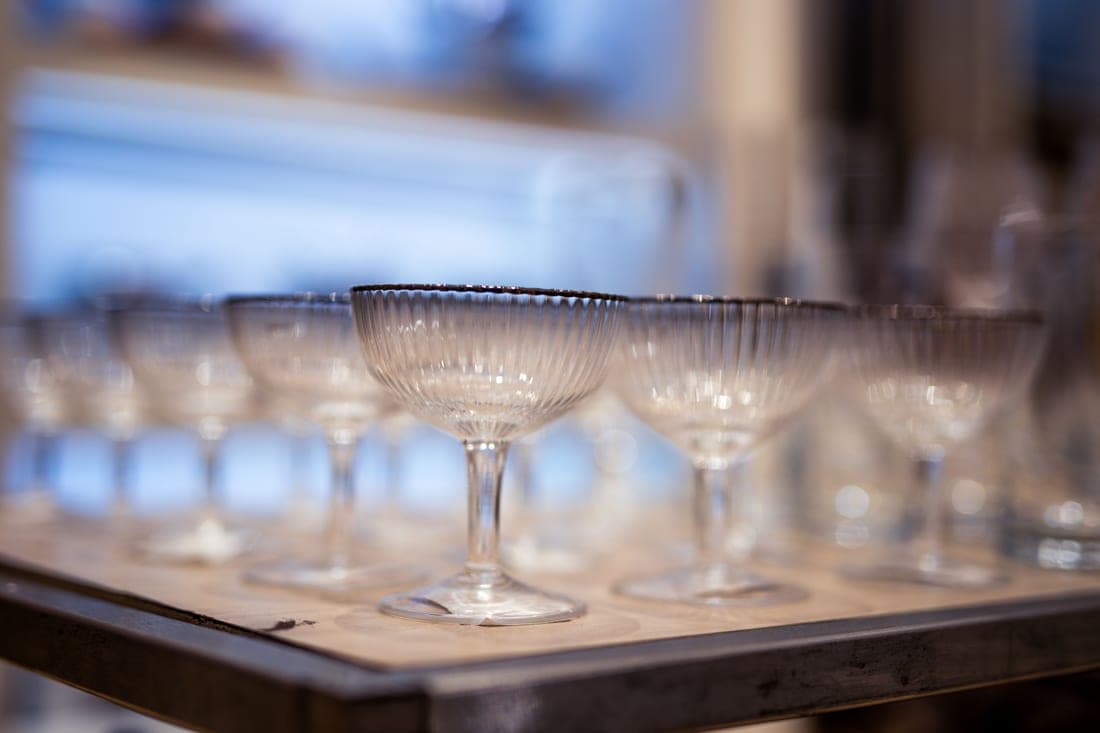
The short answer
Buy a 7 to 9 oz coupe for a home bar, and 9 oz if you are only buying one size. A shaken citrus drink - daiquiri, sidecar, gimlet, sour - finishes at roughly 4 to 5 oz once dilution is in, and the rule for an up-serve is that the glass should be about twice the finished volume so the liquid sits well below the rim and the bowl has room to carry aroma. That puts a daiquiri comfortably in a 9 oz coupe. Go smaller, 5 to 6 oz, only for stirred spirit-forward serves, and at that point a Nick & Nora is the better-shaped glass anyway. Go larger than 9 oz and a normal cocktail starts to look like a sample in a bowl, and the extra surface area warms it faster.
We earn a commission if you buy through the links on this page, at no extra cost to you. It never changes which product we pick. How we are funded.
Quick picks
| # | Product | Best for | Price |
|---|---|---|---|
| 1 | Libbey Signature Kentfield Coupe Glasses The home bar default | Everyday coupe | |
| 2 | 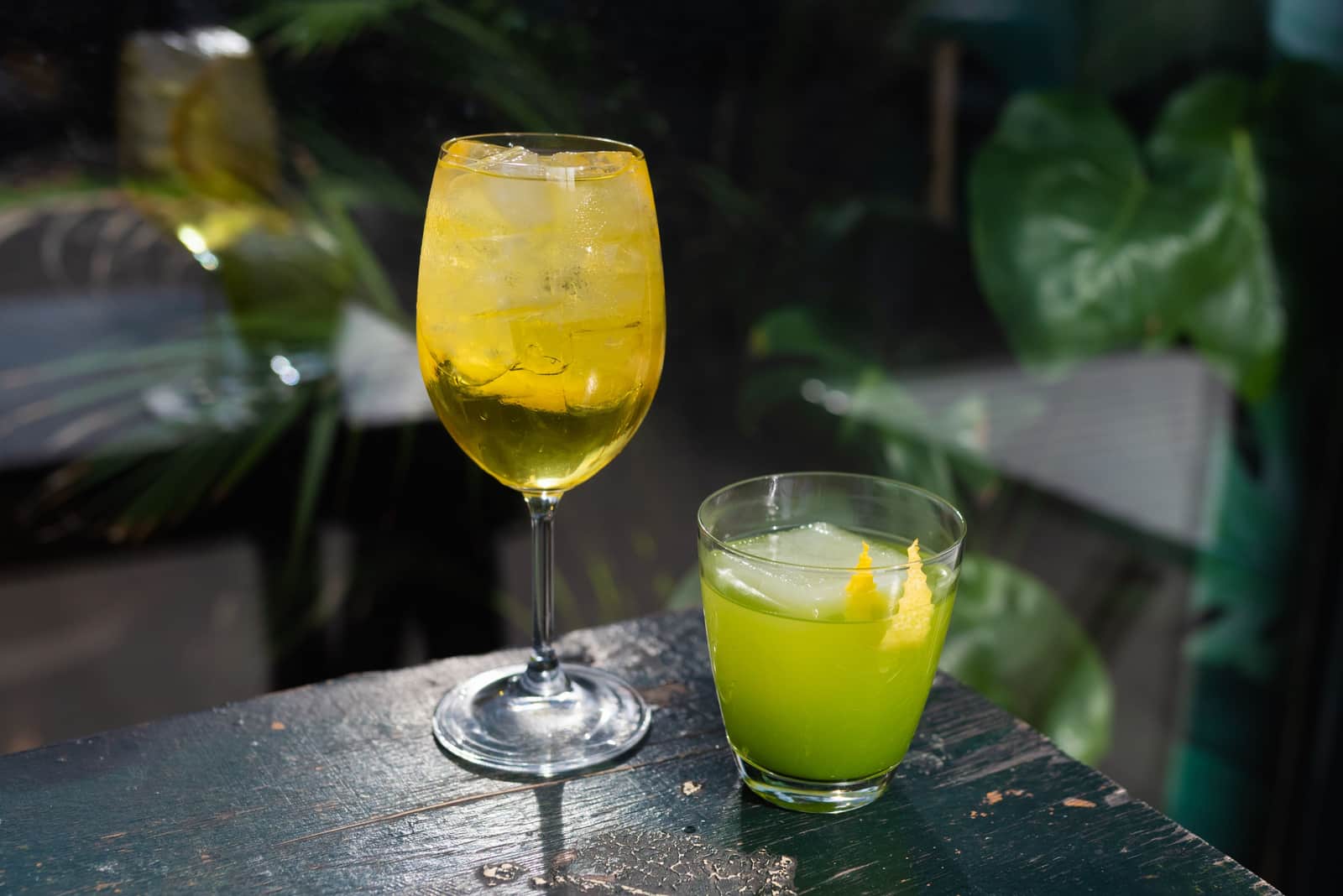 Libbey Nick and Nora Cocktail Glasses The small end, done properly | Nick and Nora on a budget | |
| 3 | 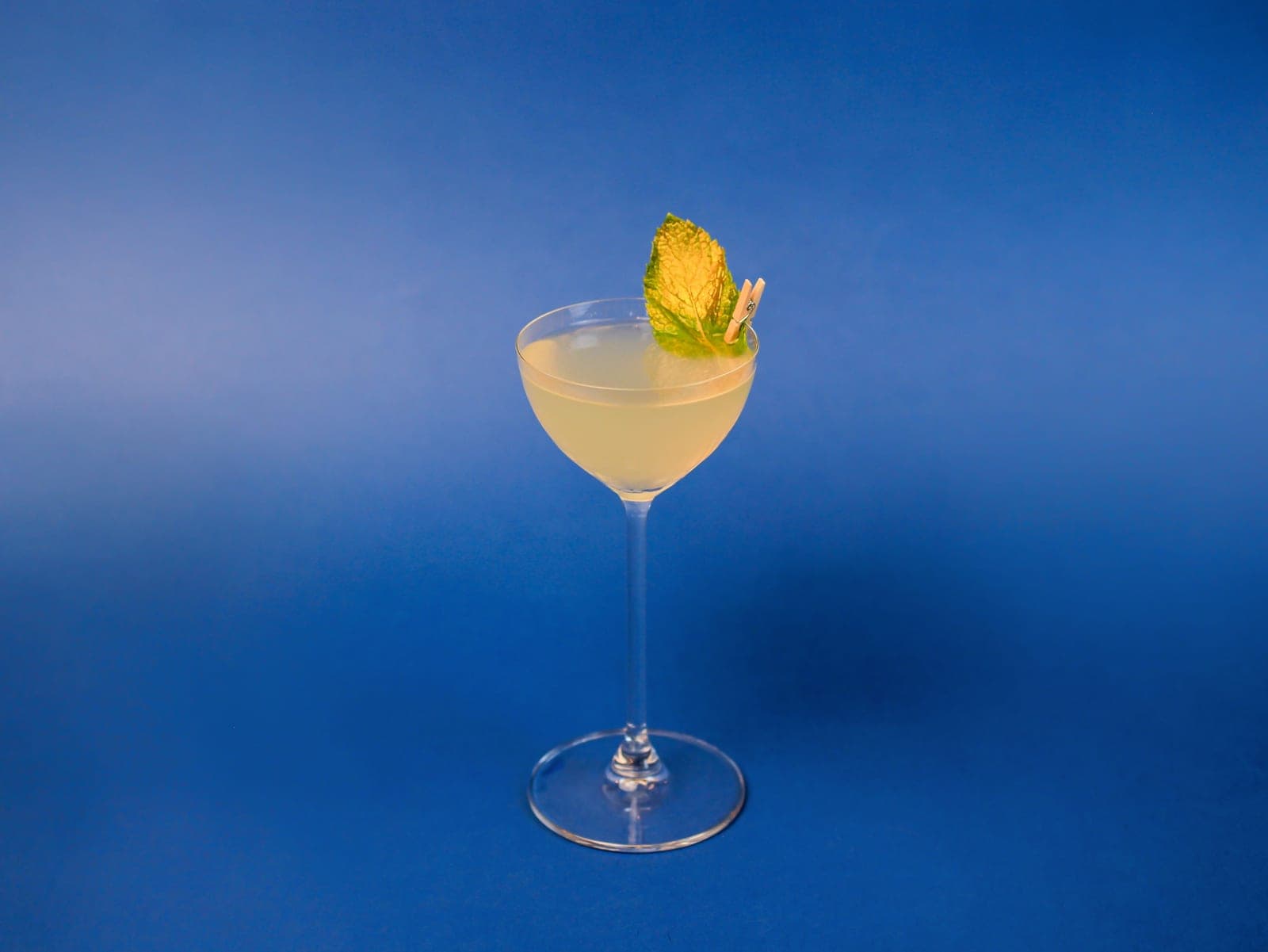 RIEDEL Drink Specific Glassware Nick & Nora Glass The step up for stirred serves | Spirit-forward serves |
Scroll the table sideways on a narrow screen. Prices are set by the retailer and change, so every price link opens the current listing rather than quoting a number here.
The capacities
What each size is actually for
Coupe is a shape, not a size, and manufacturers apply the word across a huge range. Here is what each band suits.
| Capacity | Finished drink it suits | Examples | Verdict |
|---|---|---|---|
| 5 to 6 oz | 2.5 to 3 oz, stirred | Martini, Manhattan | Buy a Nick & Nora instead |
| 7 oz | 3 to 3.5 oz | Small sours, stirred serves | Good second size |
| 9 oz | 4 to 5 oz | Daiquiri, sidecar, espresso martini | The default - buy this |
| 10 to 12 oz | 5 to 6 oz | Large sours, champagne cocktails | Oversized for most drinks |
| Vintage coupes | 4 to 6 oz, varies wildly | Whatever fits | Charming, unpredictable |
The reason 9 oz wins as a single purchase is headroom for foam. A shaken sour or an espresso martini arrives with a head on it, and a glass sized exactly to the liquid has nowhere to put that. Best coupe glasses covers the field at this capacity.
The sizing rule
Twice the finished volume, and why
For any drink served up, aim for a glass of roughly double the finished liquid volume. Three reasons, all practical.
- You can carry it. A coupe filled to within half an inch of the rim will spill on the walk from the bar to the sofa. Half full, it will not.
- Aroma needs air. The volume above the liquid is where the aromatics collect, and the bowl curve is what delivers them to your nose. Fill the bowl and you have removed the feature.
- Foam needs room. A dry-shaken sour or an espresso martini builds a head that occupies real volume. The head is part of the drink, so budget for it.
Work backwards from your recipe. A daiquiri of 2 oz rum, 1 oz lime, 0.75 oz syrup finishes at roughly 4.5 oz after shaking dilution. Doubled, that is a 9 oz glass. A Manhattan of 2 oz rye, 1 oz vermouth finishes nearer 3.5 oz, which argues for 7 oz - or for a Nick & Nora.
Coupe vs the alternatives
Where the shapes overlap
| Coupe | Nick & Nora | Martini (V bowl) | |
|---|---|---|---|
| Bowl | Shallow, rounded, curves in | Bell, small mouth | Wide cone, flares out |
| Typical capacity | 7 to 9 oz | 5 to 6 oz | Often 8 to 10 oz |
| Spill risk walking | Low | Low | High |
| Warms the drink | Moderate | Slowest | Fastest |
| Best for | Shaken citrus, up-serves | Stirred, spirit-forward | Nothing, honestly |
The coupe and the Nick & Nora are the two shapes worth owning, and the split between them is shaken versus stirred more than it is size. Nick and Nora vs coupe works through that in detail, and coupe vs martini glass explains why the V bowl keeps losing.
Construction
Four things to check besides capacity
- Pulled stem versus joined. A pulled stem is drawn from the same piece of glass as the bowl; a joined one is welded on. The join is the usual failure point on a stemmed glass, so pulled is stronger. Libbey publish the Signature Kentfield coupe as pulled stem.
- Bowl depth versus width. A shallow wide bowl looks dramatic and warms the drink faster. A slightly deeper bowl of the same capacity holds temperature better.
- Rim thickness. A thin cut rim feels better. A thicker rolled rim survives more. Pick by whether these are everyday glasses or occasion glasses.
- Dishwasher compatibility. Stemware in a dishwasher is a question of rack design as much as glass quality. If yours go in the machine every day, reinforced crystal is the property that matters - see best glassware sets for a home bar.
Chill the coupe, always. An up-serve has no ice in it, so the glass is the only thing keeping the drink cold after it leaves the shaker. Five minutes in the freezer, or filled with ice and water while you build the drink.
How many
Quantity, and what to do about vintage coupes
Four is the right number for a home bar. It matches most set sizes, covers a dinner party, and stemware takes more cupboard height than you expect. Buy four of one capacity rather than two each of two capacities - a matched set is what makes a home bar look intentional.
Vintage and secondhand coupes are a genuine pleasure and a sizing lottery: many are in the 4 to 6 oz range, because drinks were smaller. If you collect them, treat them as the small end of your glassware and keep a set of modern 9 oz coupes for the drinks that need volume. Cocktail glassware types names every shape you are likely to encounter.
The picks in full
Every pick, and who each one is for
01 · The home bar default
Libbey Signature Kentfield Coupe Glasses
Libbey · Entry tier
A pulled stem and a 9 oz bowl - the sane size for a coupe, at a price that survives a dropped one.
9 oz with a pulled rather than joined stem and a classic rounded bowl, sold in fours. The capacity that handles every shaken up-serve you are likely to make, from a daiquiri to an espresso martini with a head on it.
The specs that decide it
- Capacity:
- 9 oz
- Stem:
- pulled, not joined
- Bowl:
- classic rounded coupe
- Set:
- 4
Who it is for
- A pulled stem has no join to snap, which is where cheap stemware fails
- 9 oz holds a shaken drink plus foam without a full-to-the-rim carry
- US-made and consistently available, so you can replace one in a set
Where it gives ground
- Wide mouth means a shaken drink warms quickly - drink it briskly
- Plain bowl next to a cut or vintage coupe
Skip this one if you want a small 5 oz coupe for spirit-forward serves. This bowl is generous.
02 · The small end, done properly
Libbey Nick and Nora Cocktail Glasses
Libbey · Entry tier
The shape's practical advantages at a price where owning six is reasonable rather than aspirational.
A bell bowl in the 5 to 6 oz class. If what you actually wanted was a small coupe for martinis and Manhattans, this is the shape that does that job - the inward curve holds a small pour better than a shallow coupe bowl.
The specs that decide it
- Shape:
- bell bowl
- Capacity:
- roughly 5 to 6 oz class
- Glass:
- Libbey clear glass
- Sets:
- 4 and larger
Who it is for
- You get the carry-without-spilling benefit for very little money
- Set sizes make a table of six realistic
- Sturdier than crystal for a house with a dishwasher
Where it gives ground
- Thicker rim than crystal, which you notice on the lip
- Less brilliance in the glass under warm light
Skip this one if the glass is the gift and the recipient will notice crystal. Then it is worth the step up.
03 · The step up for stirred serves
RIEDEL Drink Specific Glassware Nick & Nora Glass
RIEDEL · The one worth stretching for
The bell bowl that made this shape mainstream again, and the safest carry of any stemmed cocktail glass.
A bell bowl with a small mouth from Riedel's Drink Specific Glassware line, sold in pairs. Thinner-walled and more precisely shaped than the budget option, for the drinks where the glass is part of the experience.
The specs that decide it
- Shape:
- bell bowl, small mouth
- Capacity:
- small, spirit-forward serve size
- Line:
- Drink Specific Glassware
- Sold as:
- pairs
Who it is for
- The narrow mouth is why you can carry a full one across a room without a sacrificial sip
- Small bowl keeps a stirred drink cold to the last mouthful
- Holds aroma much better than a wide coupe
Where it gives ground
- Too small for anything long, shaken and foamy
- Machine-made crystal at a real price step over Libbey
Skip this one if your regular drink is a 6 oz shaken sour. It will not fit.
Questions
Related questions
- What size coupe glass should I buy?
- 9 oz if you are buying one size for a home bar. A shaken citrus drink finishes around 4 to 5 oz after dilution, and the rule for an up-serve is a glass of roughly twice the finished volume - which keeps the liquid well below the rim and leaves room for a foam head.
- How many oz does a coupe glass hold?
- Commonly 5 to 12 oz, which is why the name alone tells you very little. The home bar sweet spot is 7 to 9 oz. Below 6 oz you are really in Nick & Nora territory; above 10 oz a normal cocktail looks lost in the bowl.
- Is a coupe or a Nick & Nora better?
- They do different jobs. A 9 oz coupe suits shaken citrus drinks and anything with a foam head. A 5 to 6 oz Nick & Nora suits stirred, spirit-forward serves, because the bell bowl and small mouth hold a small pour cold for longer.
- Should a coupe glass be chilled?
- Always. A drink served up has no ice in it, so the glass is the only thing keeping it cold. Five minutes in the freezer, or pack it with ice and water while you shake and dump it just before you strain.
- How many coupe glasses do I need?
- Four. It matches most set sizes, covers a dinner party and fits a normal cupboard. Buy four of one capacity rather than pairs of two different capacities - a matched set is what makes a home bar look deliberate.
Sources
Read next
Related reading
- Coupes, rocks glasses and the rest
Rocks glasses, coupes and Nick and Noras - the vessel decides temperature, aroma and carry.
- Best coupe glasses
Bowl size, stem construction and the one thing a coupe is genuinely bad at.
- Nick and Nora vs coupe
Small bell against wide bowl - aroma, temperature and why foam decides it.
- Coupe vs martini glass
Why the V-shaped glass spills, what it costs you in aroma, and the one thing it still wins on.
- Best glassware sets for a home bar
Three shapes, four of each, and the 12 oz rocks glass first - how to buy glassware once instead of three times.
- Cocktail glassware types
Every glass shape in one table, plus the three you actually need and the order to buy them.