Head to head
Libbey vs Riedel glassware
Six glasses you are not precious about, or two you are. The honest answer for a home bar is both - and the split is not about money, it is about which drinks you pay attention to.
By Michael W. · Published October 2026

The short answer
Buy Libbey for volume and Riedel for the drinks you notice. Libbey sells pressed and blown soda-lime glass in sets of four and six, thick enough at the rim to live in a dishwasher rack and cheap enough that a breakage is not an event - which is exactly what you want for highballs, party glasses and anything a guest is holding near a hard floor. Riedel sells crystal glass, mostly in pairs, with a thinner wall and a finer rim, and in its Drink Specific line with shapes and fill markers developed for particular serves. That buys you a better lip and a glass that reads as intentional, and it costs several times as much per glass. The split most enthusiasts land on is six Libbey of each shape they use daily, and a pair of Riedel in the one or two shapes where the glass is part of the drink.
We earn a commission if you buy through the links on this page, at no extra cost to you. It never changes which product we pick. How we are funded.
Quick picks
| # | Product | Best for | Price |
|---|---|---|---|
| 1 | 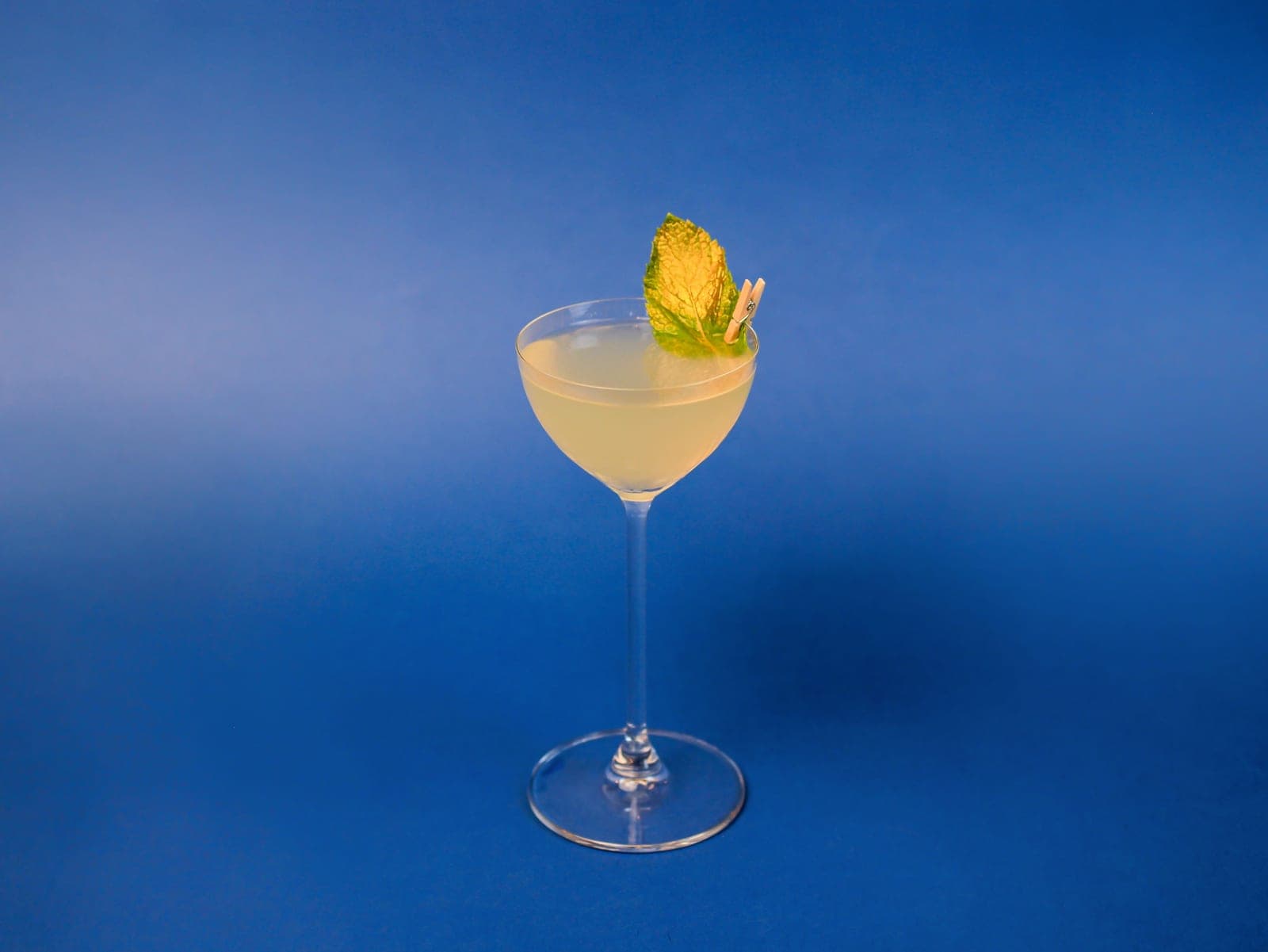 RIEDEL Drink Specific Glassware Nick & Nora Glass The Riedel worth owning first | Spirit-forward serves | |
| 2 |  Libbey Nick and Nora Cocktail Glasses The same shape, by the four | Nick and Nora on a budget | |
| 3 |  RIEDEL Drink Specific Glassware Highball Glass Where Riedel earns it most clearly | The highball you build a Japanese-style drink in | |
| 4 |  Libbey Modern Bar Essentials Highball Glasses Six tall glasses, no anxiety | Six glasses you are not precious about |
Scroll the table sideways on a narrow screen. Prices are set by the retailer and change, so every price link opens the current listing rather than quoting a number here.
The material
Pressed glass and crystal glass are different products
Both brands sell glass. The difference is what is in it and how it is formed, and both of those show up at the rim.
Ordinary drinking glass is soda-lime: silica sand, soda ash and lime. It is strong, cheap, recyclable and completely fit for purpose. Crystal glass replaces some of that with a mineral oxide - historically lead, now typically barium, zinc or titanium in lead-free formulations - which raises the refractive index and, more importantly for a drinker, lets the glass be worked thinner without becoming fragile. That is the real buy: not sparkle, but a wall you can draw thin at the lip.
Forming matters as much as composition. Pressed glass is formed in a mold under pressure, which is fast, repeatable and leaves a thicker rim - usually rounded or rolled. Blown and machine-blown glass can carry a cut rim, which is a sheared edge with no bead on it. That is the thing your lip registers, and it is why a thin-rimmed glass feels different from a thick one with the same drink in it.
- Libbey, in practice: soda-lime, pressed or blown, rounded rim, sets of four to twelve, dishwasher-tolerant.
- Riedel, in practice: crystal glass, machine-made in its volume lines and mouth-blown in its top ones, finer rim, mostly pairs.
- Both, honestly: neither brand sells a bad glass. They sell different answers to how much a single glass should cost you.
Where it shows
The four differences you can feel
1. The rim
This is the one that justifies the money if anything does. A fine cut rim puts almost nothing between your lip and the liquid. A rolled rim puts a bead there. On a long, cold, carbonated drink nobody cares. On two ounces of stirred Manhattan you are sipping for fifteen minutes, it is noticeable every time.
2. Set size, and therefore risk
Libbey's economics are built around sets of six. Riedel's are built around pairs. That is not a detail - it changes how you use the glass. A set of six means you pour for guests without doing arithmetic. A pair means you get it out for a drink you are paying attention to, and you wash it by hand afterwards.
3. Shape specificity
Riedel's Drink Specific Glassware line is the strongest argument in its favor for a home bar, because the shapes were developed against particular serves rather than scaled from a catalogue. The highball carries a molded 2 oz fill line, which is a genuinely useful piece of design: it makes a Japanese-style highball repeatable without reaching for a jigger. Libbey's shapes are good, broad and conventional.
4. What survives a dishwasher
Libbey glasses are specified dishwasher safe and in practice they tolerate racking, hard water and being stacked by someone else. Riedel lists much of its range as dishwasher safe too, but every retailer and most owners recommend hand washing, and a thin rim is exactly the part a rack chips. If the glass is going through a machine twice a week, buy the one designed for that.
The allocation
How to split a glassware budget between them
The mistake is treating this as a brand loyalty question. A home bar needs several shapes in several quantities, and the right brand differs per shape.
| Shape | Buy pressed glass by the six | Buy crystal in a pair |
|---|---|---|
| Highball | Yes - the daily glass | One pair, for the drink you fuss over |
| Rocks / double old fashioned | Yes - heavy pressed is genuinely better here | Optional |
| Nick & Nora | Yes, if you serve four people | Yes - this is where a thin rim shows most |
| Coupe | Yes | Optional |
| Martini | Yes | Only if you drink them often |
| Party / punch glasses | Always | Never |
Note the rocks row. A heavy pressed double old fashioned is not a compromise - mass in the base is part of what makes the glass feel right, and a chisel-cut pressed tumbler does that as well as anything. Best rocks glasses and double old fashioned vs old fashioned glass cover the shape; best glassware sets for a home bar covers stocking in quantity.
The third option
What sits between them
Neither brand is the only answer, and two others are worth knowing. Schott Zwiesel's Tritan range is a borosilicate-family titanium-reinforced glass built explicitly for commercial dishwashing - a thin rim that survives a machine, which is the combination both of these brands make you choose between. And at the top of the stemware market, mouth-blown crystal from specialist houses exists at prices no home bar needs.
For a hub-level view of who makes what, barware brands guide covers the landscape, and cocktail glassware types covers which shapes you actually need before you worry about whose name is on them.
Buy shapes before brands. A correct pressed-glass coupe beats a crystal martini glass for a drink that wants a coupe, every time.
The picks in full
Every pick, and who each one is for
01 · The Riedel worth owning first
RIEDEL Drink Specific Glassware Nick & Nora Glass
RIEDEL · The one worth stretching for
The bell bowl that made this shape mainstream again, and the safest carry of any stemmed cocktail glass.
The bell bowl that brought this shape back. A narrow mouth you can carry full across a room, a small bowl that keeps a stirred drink cold to the last mouthful, and a crystal rim you notice on the lip.
The specs that decide it
- Shape:
- bell bowl, small mouth
- Capacity:
- small, spirit-forward serve size
- Line:
- Drink Specific Glassware
- Sold as:
- pairs
Who it is for
- The narrow mouth is why you can carry a full one across a room without a sacrificial sip
- Small bowl keeps a stirred drink cold to the last mouthful
- Holds aroma much better than a wide coupe
Where it gives ground
- Too small for anything long, shaken and foamy
- Machine-made crystal at a real price step over Libbey
Skip this one if your regular drink is a 6 oz shaken sour. It will not fit.
02 · The same shape, by the four
Libbey Nick and Nora Cocktail Glasses
Libbey · Entry tier
The shape's practical advantages at a price where owning six is reasonable rather than aspirational.
The carry-without-spilling benefit of the bell bowl at a price where a table of six is realistic. Thicker at the rim and less brilliant under warm light, and sturdier for a house with a dishwasher.
The specs that decide it
- Shape:
- bell bowl
- Capacity:
- roughly 5 to 6 oz class
- Glass:
- Libbey clear glass
- Sets:
- 4 and larger
Who it is for
- You get the carry-without-spilling benefit for very little money
- Set sizes make a table of six realistic
- Sturdier than crystal for a house with a dishwasher
Where it gives ground
- Thicker rim than crystal, which you notice on the lip
- Less brilliance in the glass under warm light
Skip this one if the glass is the gift and the recipient will notice crystal. Then it is worth the step up.
03 · Where Riedel earns it most clearly
RIEDEL Drink Specific Glassware Highball Glass
RIEDEL · The one worth stretching for
A crystal column sized and marked for a two-ounce pour over a full ice charge, which is exactly what a highball is supposed to be.
A 10.93 oz crystal column with a molded 2 oz fill marker, developed as part of the Drink Specific line with spirits specialist Zane Harris. The marker turns a free-poured highball into a repeatable one.
The specs that decide it
- Capacity:
- 10.93 oz
- Height:
- 6.06 in
- Material:
- machine-made crystal
- Sold as:
- set of 2
- Detail:
- 2 oz / 60 ml fill marker
Who it is for
- Developed with spirits specialist Zane Harris as part of the Drink Specific line, and sized around ice rather than around the pour
- The molded 2 oz marker turns a free-poured highball into a repeatable one without reaching for a jigger
- Crystal wall is thinner at the lip than any pressed glass at this height
Where it gives ground
- Sold in pairs, so a table of six is three purchases at crystal money
- Riedel lists it as dishwasher safe, but hand washing is what the retailers recommend
Skip this one if you are stocking a party. Buy pressed glass by the six and keep a pair of these for the drink you are paying attention to.
04 · Six tall glasses, no anxiety
Libbey Modern Bar Essentials Highball Glasses
Libbey · Entry tier
The sensible default: an angular 12 oz highball, heavy enough in the base to feel deliberate, cheap enough to own six.
An angular 12 oz highball, weighted in the base, dishwasher safe, sold by the six. The sensible default for the glass people actually use every evening.
The specs that decide it
- Capacity:
- 12 oz
- Dimensions:
- 3.25 in diameter by 5.5 in tall
- Sold as:
- set of 6
- Dishwasher:
- dishwasher safe
Who it is for
- A set of six at pressed-glass money, which is the only honest way to stock a highball glass
- Angular facets and a weighted base read as intentional rather than as a juice glass
- Libbey clarity and a rim that tolerates a dishwasher rack
Where it gives ground
- At 5.5 in it is a short highball - a long ice column plus a 2 oz pour fills it with no headroom
- Thicker at the lip than crystal, which you notice on a sipping drink
Skip this one if you drink tall drinks slowly and want the ice column a 16 oz glass allows. Go up a size instead.
Honest limits
What we could not verify
We could not verify the exact glass composition of individual Libbey or Riedel lines - neither publishes a full formulation per product, and crystal-glass oxide content varies by range and by region. We make no claim about which plant any specific item is made in. The material and forming distinctions here are standard glass-industry definitions applied to each brand's published product descriptions, not laboratory analysis of particular glasses.
We do not run a test lab and we have not personally used every product here. Where a judgment rests on published specifications or on what owners report rather than on our own hands, we say so. Read the full method.
Questions
Related questions
- Is Riedel worth it over Libbey?
- For one or two shapes, yes. Crystal glass can be worked thinner, so the rim is finer and you notice it on a slow sipping drink. For highballs, party glasses and anything that goes through a dishwasher twice a week, Libbey is the better buy - it is sold by the six, specified dishwasher safe, and a breakage is an inconvenience rather than an event.
- What is the difference between Libbey glass and Riedel crystal?
- Libbey's drinking glass is soda-lime, usually pressed or blown with a rounded rim. Riedel's is crystal glass, where a mineral oxide raises the refractive index and allows a thinner wall and a finer cut rim. The feel at the lip is the practical difference; the sparkle is secondary.
- Is Libbey glassware good quality?
- Yes, for what it is. The clarity is good, the shapes are conventional and correct, the bases are weighted on the better lines, and it tolerates real household use. The honest limitation is rim thickness, which you notice on a small, slow, spirit-forward drink and not at all on a tall cold one.
- Can Riedel glasses go in the dishwasher?
- Riedel lists much of its range as dishwasher safe, but retailers and owners overwhelmingly recommend hand washing, and a thin rim is exactly what a rack chips. If a glass is going through a machine routinely, buy pressed glass for that job and keep the crystal for hand washing.
- How should I split my glassware budget?
- Six pressed-glass highballs and six rocks glasses first, because those are the glasses you use daily. Then one pair of crystal in the shape where a thin rim matters most to you - usually a Nick & Nora or a highball you build carefully. Shapes before brands, always.
Sources
Read next
Related reading
- Coupes, rocks glasses and the rest
Rocks glasses, coupes and Nick and Noras - the vessel decides temperature, aroma and carry.
- Best glassware sets for a home bar
Three shapes, four of each, and the 12 oz rocks glass first - how to buy glassware once instead of three times.
- Cocktail glassware types
Every glass shape in one table, plus the three you actually need and the order to buy them.
- Best Nick and Nora glasses
The bell shape that holds aroma, stays cold and survives the walk from the kitchen.
- Best highball glasses
The tall glass most home bars skip, the 12 oz versus 16 oz decision, and four sets worth owning.
- Barware brands guide
Who makes what, at what tier, and how to tell a real specification from a storefront name.