Guide
Types of barware
Four groups, not forty products. Once you can see which group a piece belongs to, the buying order stops being a guess.
By Michael W. · Published October 2026
The short answer
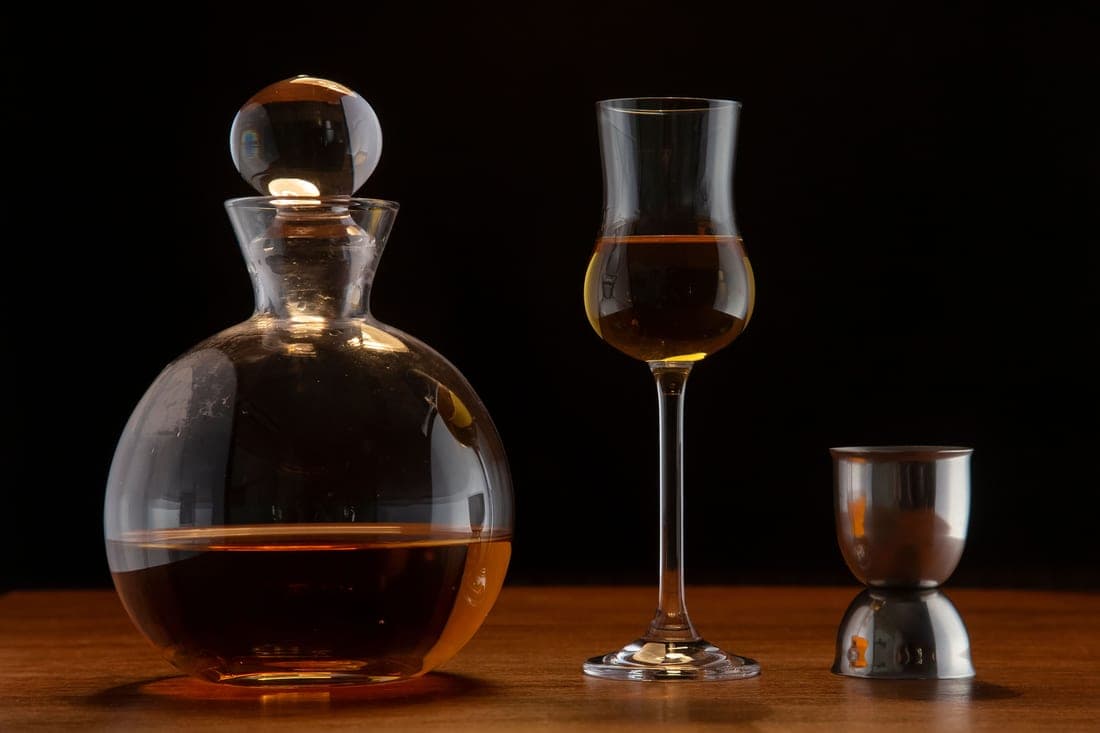
Barware divides into four functional groups, and almost every product you will ever see belongs to one of them. Measuring and mixing covers jiggers, shaking tins, cobbler shakers, mixing glasses and bar spoons - the tools that decide a drink's balance, temperature and dilution. Straining covers Hawthorne, julep and fine mesh strainers, which decide what reaches the glass. Ice equipment covers molds, presses, countertop machines, buckets and a Lewis bag, which decide the largest ingredient in most drinks by volume. Glassware covers rocks, highball, coupe, Nick and Nora, martini and nosing glasses, which decide how the drink is served and how fast it warms. Storage - carts, cabinets, mats and coasters - is a fifth group that improves no drink but decides whether the other four get used. If you are buying in order, the sequence that works is: jigger, then a shaker, then a strainer, then better ice, then three glass shapes, and only then a surface to keep it all on. A bar cart first is the most common and most expensive mistake in home barware.
We earn a commission if you buy through the links on this page, at no extra cost to you. It never changes which product we pick. How we are funded.
Quick picks
| # | Product | Best for | Price |
|---|---|---|---|
| 1 | 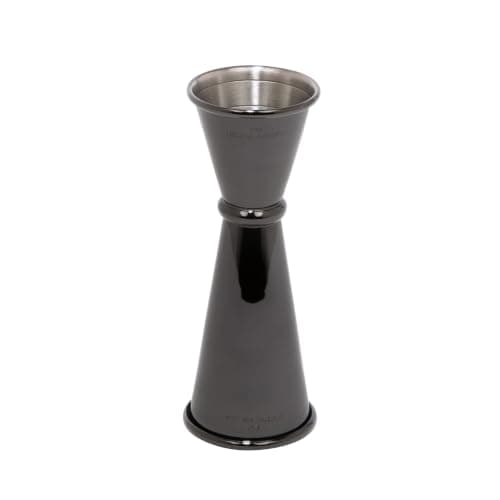 Cocktail Kingdom Japanese Style Jigger, 1oz/2oz Measuring - buy this first | Accuracy | $32.99 View on Amazon #ad how we are funded - price as of October 29, 2026 |
| 2 | 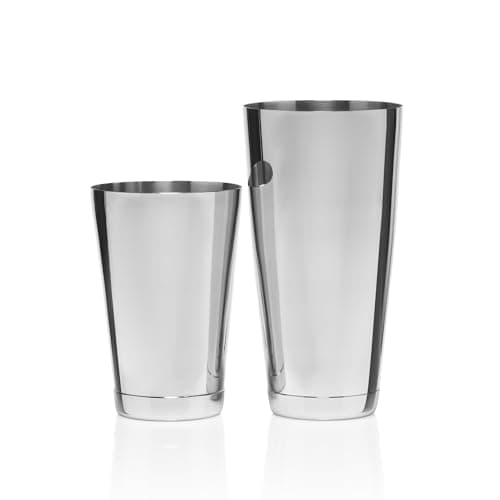 Cocktail Kingdom Koriko Weighted Shaking Tins Mixing - the shaken half | The default upgrade | $26.98 View on Amazon #ad how we are funded - price as of October 29, 2026 |
| 3 | 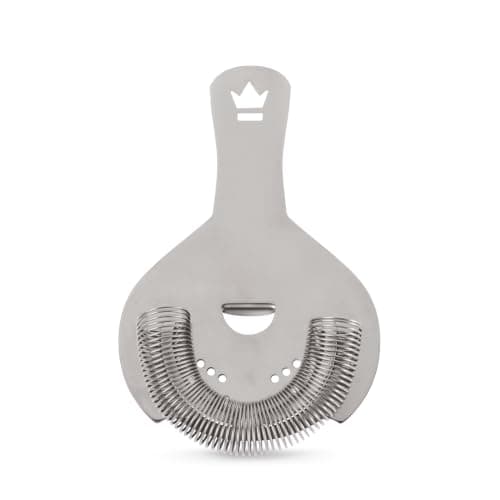 Cocktail Kingdom Koriko Hawthorne Strainer Straining - the one you actually need | Shaken drinks | $24.99 View on Amazon #ad how we are funded - price as of October 29, 2026 |
| 4 | 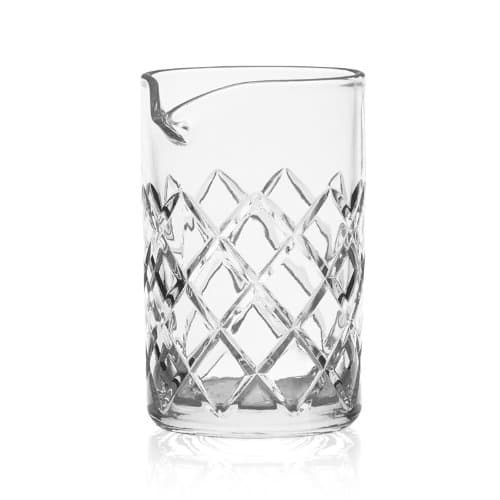 Cocktail Kingdom Yarai Mixing Glass 500ml Mixing - the stirred half | The default mixing glass | $36.49 View on Amazon #ad how we are funded - price as of October 29, 2026 |
| 5 | 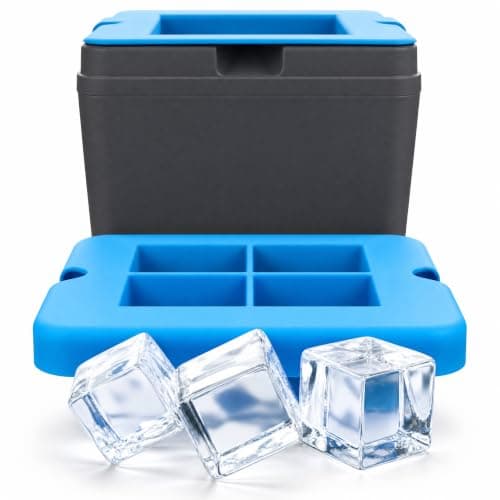 True Cubes Clear Ice Cube Maker Ice - the first real upgrade | First clear-ice upgrade | $40.99 View on Amazon #ad how we are funded - price as of October 29, 2026 |
| 6 | 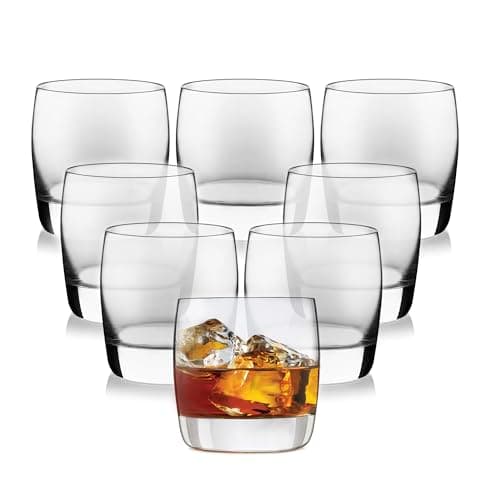 Libbey Signature Kentfield Rocks Glasses Glassware - the one shape to own first | Everyday rocks glass | $36.99 View on Amazon #ad how we are funded - price as of October 29, 2026 |
Scroll the table sideways on a narrow screen. Every price in this table comes from Amazon’s own product data, is refreshed daily, and is stamped with the date it was read - and the button opens the current listing, which is always the final word.
The four groups
Every piece of barware belongs to one of these
Barware looks like an enormous category because it is sold as one. Every retailer lists forty objects side by side with no indication of which are essential, which are variations on each other and which exist only to fill a gift box. Sorted by what each piece actually does to the drink, the whole category collapses into four groups plus storage.
| Group | What it decides | The pieces in it |
|---|---|---|
| Measuring and mixing | Balance, temperature and dilution | Jiggers, shaking tins, cobbler shakers, mixing glasses, bar spoons, muddlers, citrus juicers |
| Straining | What reaches the glass | Hawthorne strainers, julep strainers, fine mesh strainers |
| Ice | The largest ingredient by volume in most drinks | Clear ice molds, sphere molds, ice presses, countertop machines, ice buckets, Lewis bag and mallet |
| Glassware | How the drink is served and how fast it warms | Rocks, double old fashioned, highball, collins, coupe, Nick and Nora, martini, nosing glasses, decanters |
| Storage and surface | Whether the other four get used | Bar carts, bar cabinets, service mats, coasters, bottle storage |
That last row is deliberately separated. A cart, a mat and a set of coasters improve no drink in any measurable way - they change whether making a drink is a thing that happens in your living room or a thing that happens over a kitchen sink with your back to the company. That is a real benefit, and it is a different kind of benefit from the other four groups.
A note on what is NOT barware: glass-type names you see on every product page - martini, coupe, Nick and Nora - describe shapes, not categories. Cocktail glassware types is the shape-by-shape breakdown; this page is about the groups those shapes sit inside.
Group one
Measuring and mixing - the tools that change the drink
A jigger is the measuring tool and the one place where a cheap purchase costs you most. The specification that matters is the profile: a tall narrow body with interior markings lets you hit a half ounce or a quarter ounce repeatably, while a wide shallow stamped jigger is only accurate at its two printed volumes and only when held perfectly level. Jigger sizes explained covers the common volumes and Japanese vs American jigger covers why the shape decides the accuracy.
Shakers split into two families that are not interchangeable. A Boston set is two tins - usually 18 oz and 28 oz - that seal against each other, and it is faster, holds more and strains better. A cobbler is a three-piece shaker with a built-in strainer that needs no technique at all and is slower in every other respect. Boston vs cobbler shaker is that whole argument, and is a cocktail shaker necessary answers the prior question of whether you need one.
A mixing glass is the stirred-drink equivalent and the piece most people skip. You can stir in a tin, and you will not be able to see what the drink is doing - which matters, because stirring is judged by sight and by the frost on the outside of the glass. Pair it with a bar spoon long enough for the glass: the spoon's length is the specification, not its brand. Best mixing glasses and bar spoon length guide cover both.
Muddlers and citrus juicers round out the group and are genuinely optional in a way the first three are not. A muddler matters if you make juleps, mojitos or anything with fruit in the bottom of the glass; a juicer matters the moment you accept that bottled lime juice is the single biggest flavor compromise in home bartending. Best muddlers and best citrus juicers for cocktails are the categories.
Groups two and three
Straining and ice - the two most underbought groups
Straining is the smallest group and the easiest to get right. A Hawthorne has a coiled spring and holds back ice chips and citrus pulp from a shaken drink; the tightness of that coil is the one specification worth comparing. A julep is a perforated bowl with no spring, for stirred drinks poured from a mixing glass. A fine mesh is held under the pour as a second strain, which is what gives a sour a smooth head. Hawthorne vs julep strainer and when to double strain a cocktail cover which to use when.
Ice is the group most buyers skip entirely and the one with the largest effect on a finished drink. In a rocks pour, ice is the biggest ingredient by volume, and cloudy freezer-tray ice is full of trapped air and dissolved minerals that melt fast and taste of the freezer. The fix is directional freezing - insulating a tray so it freezes from the top down and pushes the cloud into a sacrificial base. How to make clear ice is the method and why is my ice cloudy is the diagnosis.
Within the ice group, the ladder runs from a silicone mold at the bottom to a countertop machine at the top, with sphere molds and aluminum presses in between. The distinction worth understanding before you spend is that a press does not make ice - it reshapes a block you already froze. Ice ball press vs mold covers that difference and why are ice presses so expensive covers what the aluminum is actually costing you.
Buckets and a Lewis bag are the two accessories in this group that earn their place. An insulated bucket with a drainage grid keeps a batch of good ice from welding into a block in its own meltwater; a canvas bag and a mallet is the only way to get genuinely dry crushed ice at home. Best ice buckets and best ice crushers are the categories.
Group four
Glassware - the shapes, and how many you need
Glass shapes look like a long list and reduce to four jobs: short drinks served over ice, long drinks served over a column of ice, drinks served up with no ice at all, and spirits drunk neat. A rocks or double old fashioned glass does the first. A highball, collins or cooler does the second. A coupe, Nick and Nora or martini glass does the third. A tapered nosing glass does the fourth.
| Shape | What it is for | Typical capacity on the listings we link |
|---|---|---|
| Rocks / old fashioned | Short drinks over one large cube; neat pours with ice | 9 to 12 oz |
| Double old fashioned | The same, with room for a 2 in cube and a stir | 12 oz and up |
| Highball / collins / cooler | Long drinks over a full ice column | 12 to 16 oz |
| Coupe | Shaken and stirred drinks served up | About 9 oz |
| Nick and Nora | Spirit-forward drinks served up, with a safer carry | About 6.7 oz |
| Martini (V bowl) | The classic up serve, at the cost of spillage | About 9 to 9.5 oz |
| Nosing glass | Whisky drunk neat, where aroma is the point | About 5.5 to 6 oz |
Three shapes cover a home bar honestly: a rocks glass, a tall glass and one stemmed glass. Everything beyond that is specialization, and specialization is fine once the first three exist. The material question is separate from the shape question and matters more than most buyers expect - crystal vs glass drinkware explains what pressed glass, tempered glass and crystal each buy you, and best glassware sets for a home bar covers how many of each to buy.
One rule that saves money across the whole group: buy cheap by the six and expensive by the pair. The glass you hand to a guest, fill with soda water and put through a dishwasher twice a week is equipment and should be replaceable; the glass you spend twenty minutes with deserves a thin rim. Best everyday drinking glasses is the first category and best rocks glasses is the second.
The order
What to buy first, and what to buy last
- A jigger. Cheapest object in the category, largest effect on whether a drink is repeatable.
- A shaker - tins if you expect to keep going, a cobbler if you want no technique to learn.
- A Hawthorne strainer, matched to the tins you just bought.
- Better ice - a directional-freezing mold before any machine.
- Three glass shapes: a rocks glass, a tall glass, one stemmed glass.
- A mixing glass and a long bar spoon, once you notice you are drinking more stirred than shaken.
- A surface: a service mat, then coasters, then a cart or cabinet if the room has space for one.
The most common sequencing mistake is buying the cart first. A bar cart is the most visible piece of barware and the only group member that changes nothing about the drink, so it is also the easiest thing to buy before the tools that would have made the drinks worth displaying. How to build a home bar on a budget works through the same order with the compromises spelled out.
The second mistake is buying a set to skip the sequence. Sets bundle the pieces you wanted with the pieces you did not, and almost every set omits the two groups that matter most - ice and glassware. Best barware sets is honest about when a set is the right call, and barware brands guide covers who makes what at which tier once you know which pieces you are actually shopping for.
If you already own all of this and something still annoys you, the useful move is to diagnose the symptom rather than shop the category. The home bar upgrade guide is organized that way: melting ice, sticking tins, drifting pours, cloudy stirred drinks, warm glasses, no station.
The picks in full
Every pick, and who each one is for
01 · Measuring - buy this first
Cocktail Kingdom Japanese Style Jigger, 1oz/2oz
Cocktail Kingdom · Mid tier
#ad how we are funded - price as of October 29, 2026
Tall, narrow and internally marked, which is the combination that makes a half-ounce pour repeatable.
1 oz / 2 oz, tall and narrow, with interior lines for fractional pours. The cheapest object in any of these groups and the one with the largest effect on whether a drink tastes the same twice. Free-pouring drifts by a quarter ounce in either direction, which in a three-ingredient drink is the whole balance. Skip it only if you free-pour by count and are genuinely happy with the results.
The specs that decide it
- Sizes:
- 1 oz / 2 oz
- Profile:
- tall and narrow
- Markings:
- interior lines for fractional pours
- Material:
- stainless steel, gunmetal black finish
Who it is for
- A narrow cone makes a given volume a taller column, so a small error is visible before you pour it
- Interior lines mean you are not guessing at three quarters of an ounce
- Balanced enough to hold one-handed while the other hand pours
Where it gives ground
- Tall profile tips more easily on a crowded counter
- No handle, so it gets cold and slippery when you work fast
Skip this one if you free-pour by count and are happy with the results. This tool exists to fix a problem you do not have.
02 · Mixing - the shaken half
Cocktail Kingdom Koriko Weighted Shaking Tins
Cocktail Kingdom · Mid tier
#ad how we are funded - price as of October 29, 2026
The tins most working bartenders reach for, and the shortest path out of a shaker that sticks.
An 18 oz and 28 oz weighted tin set holding about two drinks. Tins are faster than a cobbler, hold more and strain better, and they ask for a two-handed technique in return. The weighted base keeps the tin still while you seat the seal. Skip it if you want a one-piece shaker you can hand to a guest.
The specs that decide it
- Set:
- 18 oz and 28 oz
- Capacity:
- about 2 drinks
- Base:
- weighted
- Material:
- stainless steel
Who it is for
- The taper is cut so the pair seals with a tap and breaks with a palm strike, every time
- Weighted bases keep an empty tin from skating across the counter
- Cheap enough to own two pairs, which is how you actually make four drinks
Where it gives ground
- The seal is tight by design and feels alarming for the first week
- Bare steel shows fingerprints immediately
Skip this one if you want a one-piece shaker you can hand to a guest. Tins are a two-handed tool and they reward practice.
03 · Straining - the one you actually need
Cocktail Kingdom Koriko Hawthorne Strainer
Cocktail Kingdom · Mid tier
#ad how we are funded - price as of October 29, 2026
A tight spring and a body that actually sits down in the tin, which is the whole job of a Hawthorne.
A Hawthorne with a dense removable coil that seats in both the 18 oz and 28 oz tins, which is the specification that decides whether a strainer shifts while you pour. One Hawthorne covers every shaken drink you will make. Skip it if you only ever stir - a julep strainer is the better and cheaper tool for a mixing glass.
The specs that decide it
- Type:
- Hawthorne
- Spring:
- dense coil, removable
- Fit:
- seats in both 18 oz and 28 oz tins
- Material:
- stainless steel
Who it is for
- The spring is dense enough to hold back shaken citrus pulp without a second strainer
- Gate control is precise, so you can open it up for a shaken drink and close it for a stirred one
- Spring comes out for cleaning, which cheap strainers do not allow
Where it gives ground
- Still not a substitute for a fine mesh when you want a genuinely silky texture
- The gate tab is small if you have large hands
Skip this one if you only stir. A julep strainer is the better and cheaper tool for a mixing glass.
04 · Mixing - the stirred half
Cocktail Kingdom Yarai Mixing Glass 500ml
Cocktail Kingdom · Mid tier
#ad how we are funded - price as of October 29, 2026
The industry workhorse: heavy, cut, and sized for one or two drinks without a wall of leftover dilution.
500 ml, about 17 oz, in heavy Yarai-cut glass with a weighted base, sized for one or two drinks. Stirred drinks are where most enthusiasts end up, and a tin cannot show you what the drink is doing. Skip up to the 675 ml seamless version if you regularly build three or four stirred drinks at once.
The specs that decide it
- Capacity:
- 500 ml (about 17 oz)
- Capacity in drinks:
- 1 to 2
- Pattern:
- Yarai cut
- Base:
- heavy, weighted
Who it is for
- Mass is the point - a heavy glass does not travel across the counter while you stir
- The cut gives grip that a smooth beaker does not
- Spout pours clean, which sounds trivial until you use one that does not
Where it gives ground
- Glass, on a counter, near ice - it is a breakable in a wet environment
- 500 ml gets tight with two drinks and a full ice charge
Skip this one if you regularly build three or four stirred drinks at once. Step up to the 675 ml seamless.
05 · Ice - the first real upgrade
True Cubes Clear Ice Cube Maker
True Cubes · Entry tier
#ad how we are funded - price as of October 29, 2026
The cheapest honest route to genuinely clear 2-inch cubes, and the one most people should buy first.
Four 2 x 2 x 2 in clear cubes per cycle by insulated directional freezing, in about 18 to 24 hours. Ice is the largest ingredient by volume in most drinks and the one almost nobody buys deliberately. Skip it if you host more than two people regularly, or if you want ice on demand rather than ice you planned for yesterday.
The specs that decide it
- Output:
- 4 cubes per cycle
- Cube size:
- 2 x 2 x 2 in
- Method:
- insulated directional freezing
- Freezer time:
- about 18 to 24 hours
Who it is for
- Directional freezing done properly in an insulated shell, so the cloud collects in the sacrificial base
- Fits a standard freezer shelf without rearranging everything
- Nothing to plug in, nothing to service
Where it gives ground
- One cycle a day, so four cubes is your ceiling unless you buy two
- The base block has to be discarded or crushed each cycle
Skip this one if you routinely host more than two people, or you want ice on demand rather than ice you planned for yesterday.
06 · Glassware - the one shape to own first
Libbey Signature Kentfield Rocks Glasses
Libbey · Entry tier
#ad how we are funded - price as of October 29, 2026
Thin-walled, laser-cut rim, US-made and cheap enough to own eight - the sensible default rocks glass.
12 oz (also sold in 9 oz) in Libbey's ClearFire composition with a laser-cut, chip-resistant rim, in sets of four and eight. A rocks glass covers more drinks than any other single shape, and the laser-cut rim is what separates good pressed glass from cheap pressed glass. Skip it if the glass is meant to be the centerpiece - a heavier cut or crystal glass reads better in the hand.
The specs that decide it
- Capacity:
- 12 oz (also sold 9 oz)
- Glass:
- Libbey ClearFire composition
- Rim:
- laser cut, chip resistant
- Sets:
- 4 and 8
Who it is for
- 12 oz is the size that actually fits a 2-inch cube with room for the pour
- Laser-cut rim survives a dishwasher far better than a rolled rim
- Cheap enough that breaking one is an annoyance, not an event
Where it gives ground
- Thin walls warm a neat pour faster than heavy crystal
- Plain enough to be forgettable next to a cut glass
Skip this one if your rocks glass is the centerpiece of the drink. A heavier cut or crystal glass reads better in the hand.
Questions
Related questions
- What are the main types of barware?
- Four functional groups: measuring and mixing tools (jiggers, shakers, mixing glasses, bar spoons), straining tools (Hawthorne, julep and fine mesh strainers), ice equipment (molds, presses, machines, buckets, a Lewis bag) and glassware. Storage - carts, cabinets, mats and coasters - is a fifth group that improves no drink but decides whether the rest get used.
- What are the different types of barware glasses?
- Seven shapes cover almost everything: rocks and double old fashioned for short drinks over ice, highball, collins and cooler for long drinks, coupe, Nick and Nora and martini for drinks served up, and a tapered nosing glass for neat whisky. Three of those - a rocks glass, a tall glass and one stemmed glass - cover a home bar honestly.
- What barware do I actually need to start?
- A jigger, a shaker, a strainer that fits it, a way of making better ice, and three glass shapes. In that order. Everything else is a specialization of one of those five, and a bar cart changes nothing about the drink.
- What is the difference between a Hawthorne and a julep strainer?
- A Hawthorne has a coiled spring and holds back ice chips and pulp from a shaken drink in a tin. A julep is a perforated bowl with no spring, used for stirred drinks poured from a mixing glass. If you buy one, buy the Hawthorne - it covers more drinks.
- Is ice equipment really barware?
- It is the group with the largest effect on a finished drink. In a rocks pour, ice is the biggest ingredient by volume, and cloudy freezer-tray ice melts fast and carries freezer flavors. A directional-freezing mold is the cheapest meaningful upgrade in the whole category.
- Should I buy a barware set or individual pieces?
- Individual pieces, in most cases. A set bundles the pieces you wanted with the ones you did not, and nearly every set leaves out ice equipment and glassware - the two groups that matter most. A set makes sense as a gift, or when you genuinely own nothing.
- What is the most important piece of barware?
- The jigger. It is the cheapest object in the category and the only one whose accuracy is the drink's balance. A cocktail is a ratio, and free-pouring drifts by about a quarter ounce in either direction, which is enough to change a three-ingredient drink.
Read next
Related reading
- The home bar upgrade guide
Find your weak link by symptom rather than by category - and the two cases where gear is not the answer.
- Best barware sets
What good sets contain, what every set leaves out, and when buying separately wins.
- Barware brands guide
Who makes what, at what tier, and how to tell a real specification from a storefront name.
- Cocktail glassware types
Every glass shape in one table, plus the three you actually need and the order to buy them.
- How to build a home bar on a budget
Five tools, three glass shapes and a tray - the buying order that means nothing gets replaced later.
- Home bar essentials checklist
Five tools, three glass shapes, one ice solution, six bottles - and the order worth buying them in.